
Commentary
Nicolás Maduro is not the democratically elected leader of Venezuela; he is a corrupt strongman who has systematically looted his country. But is he actually a cartel boss flooding the United States with drugs?
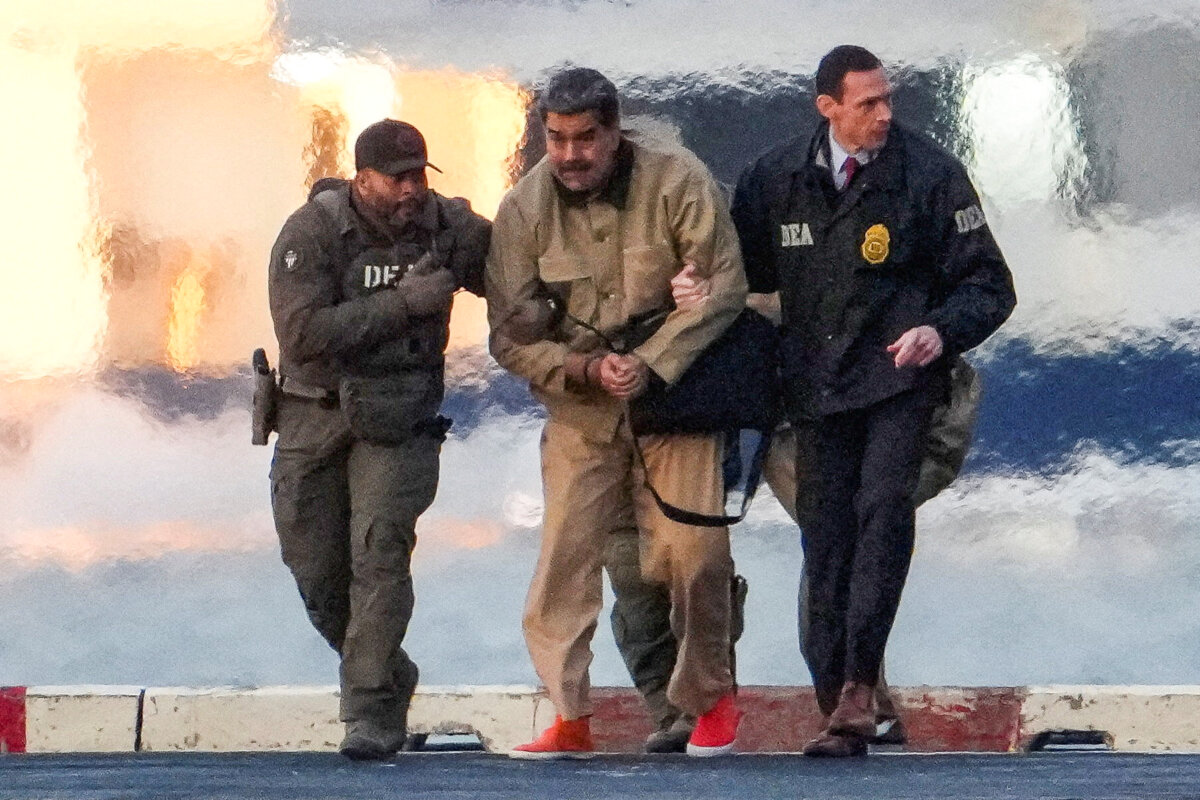
Before Maduro’s capture on Jan. 3, publicly available evidence did not conclusively prove that he personally ran a cartel. However, following his capture, the Justice Department unsealed a superseding indictment claiming that evidence will show that Maduro has led such operations since as early as 1999.
Regardless of whether he really is a full cartel leader, there’s loads of evidence showing that Maduro and his administration systematically encouraged, facilitated, and profited from drug trafficking while protecting known traffickers. Key examples include:
- Appointing Néstor Reverol as interior minister despite U.S. indictments and evidence that he tipped off traffickers and accepted bribes while heading the anti-narcotics unit.
- Shielding Tareck El Aissami, who was sanctioned in 2017 by the United States and later indicted for drug trafficking, by retaining him as vice president and oil minister until 2023.
- Keeping Defense Minister Vladimir Padrino López in his role since 2014, despite defector accusations of his involvement in cocaine shipments, with no investigation by the regime.
This pattern of promoting and protecting figures implicated in trafficking drugs, combined with an estimated 200–250 metric tons of cocaine transiting Venezuela annually, shows a deliberate regime-wide tolerance for trafficking. Defectors such as Hugo Carvajal have confirmed that drug money had become a routine funding stream for the regime’s patronage system, flowing upward to top leaders. Maduro and his accomplices partnered with some of the most violent and prolific drug traffickers and narco-terrorists in the world for decades, who beyond a doubt were flooding the United States with drugs.
A Flood of Drugs
With all the rhetoric flying around, including one conservative commentator attributing millions of tons of drugs to Venezuela, some might be surprised to learn that Venezuela under Maduro is not a primary source of drugs entering the United States. Although Venezuela is cited in the 2025 Drug Enforcement Administration’s National Drug Threat Assessment as being a major human trafficker, when it comes to trafficking drugs into the United States, Venezuela does not rate a mention.
Further, Venezuela had virtually no role in the trafficking of fentanyl or other synthetics that have been far and away the biggest killers in the overdose crisis. Yet although the amount of drugs Maduro has been sending into the United States is overshadowed by those of many other countries, each year more than 200 tons of cocaine transit Venezuela, with 8 percent to 10 percent of that being trafficked into the United States, about 20 tons or so per year.
Although dwarfed by Mexico’s larger cocaine and fentanyl pipelines and Colombia’s cocaine production dominance, over Maduro’s 12 years of rule, more than 200 tons of cocaine flowed into the United States from Venezuela. And although 20 tons per year is only 5 percent to 7 percent of the cocaine entering the United States, it is statistically still responsible for more than 1,000 U.S. deaths per year.
Emptying Prisons and Exporting Crime-Prone Demographics
Although Maduro is not on record stating that he would empty his prisons and encourage criminals to go to the United States, the actions of his regime have certainly done just that. Prison populations plummeted from more than 57,000 in the mid-2010s to about 22,000 official inmates by 2024. This was largely accomplished by releases to relieve overcrowding and deals with gangs. This was far from accidental. Maduro’s regime actively ceded control of prisons to powerful prison gang leaders/bosses known as “Pranes.”
Striking nonaggression pacts with gangs allowed groups such as the Tren de Aragua terrorist group to operate criminal empires from inside facilities in return for reducing the visibility of crime on the streets. Corruption—bribes—reduced the number of new serious offenders being locked up long-term, while gangs suppressed freelance crime as the government ceded control to whole neighborhoods. Needless to say, the vicious gangs created further incentives for less organized criminals to migrate out of Venezuela to find a place to ply their trade.
His economic policies and repression destroyed an oil-rich economy through theft, mismanagement, and sanctions defiance, triggering the exodus of about 8 million Venezuelans, with roughly 50 percent being mostly younger single men aged 18 to 39, the demographic most associated with violent crime and crime in general. This emptied the streets of potential offenders. And with crime becoming more organized by powerful gangs, fewer crimes were reported out of fear of retaliation. These two factors allowed Maduro to boast of falling homicide and crime rates while much of Venezuela’s crime potential was exported abroad.
The mass exodus from Venezuela resulted in about half a million predominantly younger single males entering the United States, with thousands of these men having criminal backgrounds or being full-fledged members of Tren de Aragua.
Did Maduro make a public pronouncement that his actions were all about harming the United States? No, but he certainly understood that they were. So although Maduro definitely was not responsible for the 500,000-plus fentanyl/synthetic opioid-related deaths over the past 10 years—we can thank Mexican cartels and China for that—over 12 years he did flood the United States with more than 200 tons of illegal drugs that resulted in thousands of deaths, and his actions directly led to the United States being flooded with more than 1 million illegals, including criminals who have committed brutal murders, rapes, robberies, muggings, and more.
So yes, although Maduro’s Venezuela is a relatively small fish in terms of drugs, Maduro did contribute to the flood of deadly drugs coming into the United States, and his actions significantly contributed to criminals and gang members flowing into the United States by the thousands.
Views expressed in this article are the opinions of the author and do not necessarily reflect the views of The Epoch Times.
 Friends Read Free
Copy
Facebook
Tweet
Friends Read Free
Copy
Facebook
Tweet