
Commentary
The month, as I recall, was December and the year 2021 in the thick of the COVID-19 crisis with the Delta variant in circulation. In New England, there was no way to get hydroxychloroquine, ivermectin, or any other off-label drug for the virus apart from vitamins. For reasons still unexplained, they had been removed from the shelves. Even with a prescription, you could not buy these therapeutics.
I happened to have some Ivermectin that was sent to me from someone who got it from someone who had gotten it in India. That’s how it was in those days. Everyone was scrambling for something that in many places had been effectively banned.
An elderly friend in Boston was very sick. I’m not a doctor, but many experts that I trust were prescribing ivermectin. I took off in the car to deliver some, but on the way home, another family member called me.
“His doctor says there is a new pharmaceutical,” the family member asked. “Can you pick some up and bring that too?”
I asked, “What’s it called?”
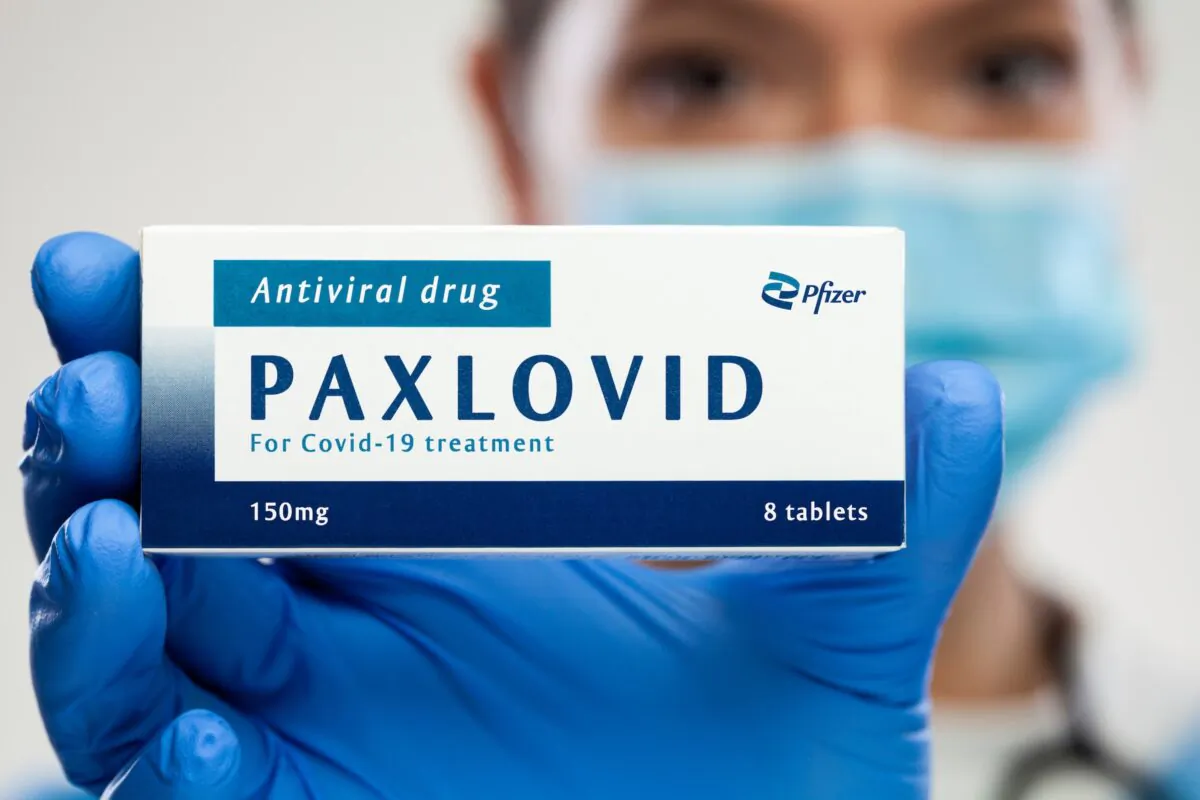
The family member responded, “Paxlovid.”
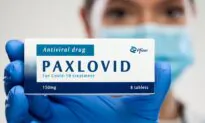
It might have been the first time that I had heard of this drug. It had just obtained Emergency Use Authorization, which means speedy approvals but also indemnified the maker against lawsuits. Essentially, we had a situation in which a drugmaker bore no consequences for results.
The price was $1,800 for a 5-day course, paid by the insurers, if you were lucky.
I checked my intuition and said this was a bad idea. Many pharmaceutical companies were making lots of money with new products that were being quickly approved by the Food and Drug Administration. They were charging outrageous prices, and doctors were prescribing them without a clue about whether they worked.
This drug was being manufactured and distributed by Pfizer, the same company that led in making and distributing vaccines.
In time, reports started to pour in that while the drug helped to alleviate some symptoms, it often led to a rebound of sickness the following week. Then-President Joe Biden, his wife, and the then-Centers for Disease Control and Prevention director all experienced this personally, but so did many others who were posting all over social media that this drug was far from magic. It drained the bank account but did not fix the virus. It worked for a few days, but then the symptoms returned.
There was no way to know the full meaning of these anecdotes apart from intuition. This is because there were no deep studies of its safety or efficacy, only hardcore promotion by Anthony Fauci before his main interest shifted to the injection that became widely available a month or two later.
Maryanne Demasi reported that Paxlovid’s emergency authorization rested on a single study known as EPIC-HR. The trial enrolled unvaccinated adults considered at high risk of severe COVID-19 during an earlier phase of the pandemic. Patients received treatment within five days of symptoms. Pfizer, at the time, reported an 89 percent relative reduction in hospitalization or death compared with placebo.
She commented, “The results reshaped COVID policy almost overnight.”
Everyone was spending the big bucks to get it.
Paxlovid eventually fell by the wayside, and hardly anyone talks about it anymore. It came and went.
Now all these years later, we have a few studies that actually examined this drug. In a 2024 study of patients taking the drug, 90 percent of whom were vaccinated, results showed that 25.6 percent of people rebounded.
“Viral load rebound and symptom rebound were both common,” the study reads.
But was it otherwise effective on vaccinated or unvaccinated groups? An April 2024 placebo-controlled study in the New England Journal of Medicine examined both for “symptomatic, nonhospitalized, vaccinated or unvaccinated adults.” The conclusion was this: Paxlovid “was not associated with a significantly shorter time to sustained alleviation of COVID-19 symptoms than placebo.”
Another question then arose: Is there any benefit to starting Paxlovid again after rebounding?
In September 2025, the Journal of Clinical and Infectious Diseases reported on this issue with a randomized controlled trial. The title of the article is “Retreatment With Nirmatrelvir/Ritonavir Following Return of COVID-19 Symptoms and SARS-CoV-2 Positivity.”
Let me quote from the conclusion: “There was no clear benefit of retreatment because rebound was transient and mild and did not lead to severe COVID-19.”
Fine, but given that the strain under investigation here was Omicron, the mildest of all, one would not have expected severe results in any case.
Now we finally have the results of two undoubtedly expensive trials that were years in the preparation, with a particular focus on hospitalization and death. It examined mostly but not exclusively vaccinated people (recall that previous studies found no difference in efficacy between the groups). The results are published in the New England Journal of Medicine:
“From December 8, 2021, to September 30, 2024, a total of 3516 participants in the PANORAMIC trial and 716 participants in the CanTreatCOVID trial underwent randomization. In the PANORAMIC trial, 14 of 1698 participants (0.8%) in the nirmatrelvir–ritonavir group and 11 of 1673 participants (0.7%) in the usual-care group were hospitalized or died (adjusted odds ratio, 1.18; 95% Bayesian credible interval, 0.55 to 2.62; probability of superiority, 0.334). In the CanTreatCOVID trial, 2 of 343 participants (0.6%) in the nirmatrelvir–ritonavir group and 4 of 324 participants (1.2%) in the usual-care group were hospitalized or died (adjusted odds ratio, 0.48; 95% Bayesian credible interval, 0.08 to 2.23; probability of superiority, 0.830). In a substudy involving 634 participants, viral load was reduced by the end of treatment with nirmatrelvir–ritonavir. Serious adverse events with nirmatrelvir–ritonavir were reported in 9 participants in the PANORAMIC trial and in 4 participants in the CanTreatCOVID trial.”
What does all that mean? The article helpfully translates: “[Paxlovid] did not reduce the incidence of hospitalization or death among [mostly] vaccinated higher-risk participants with SARS-CoV-2 Infection.”
It was supposed to do so, claimed it did, and was approved on that basis, but nope.
So there we go. To put it in layman’s terms, all available post-marketing trials have shown that the drug has not achieved what it promises. Paxlovid may offer little more than a shorter duration of symptoms, alongside real risks and drug reactions, among which is “Paxlovid Mouth” (a lingering bad taste described as bitter or metallic). It did not make any difference in symptoms (for vaccinated or unvaccinated groups) or medically significant consequences from getting the virus (among the mostly vaccinated).
We have no large studies affirming any significant benefit at all for either the vaccinated or unvaccinated groups beyond the manufacturer’s pre-market study.
How much did Pfizer make from selling it at the height of fear? Fully $28 billion, at least.
There is no reason to wonder why the public has lost confidence in the pharmaceutical industry. This incident, now mostly forgotten, is a case in point. It was pitched as the fix that it turned out not to be. There are no consequences for being this wrong, and it is the same with the vaccines.
I’m personally affected by this one because a man about whom I cared was nearly hornswaggled out of $1,800. It was only my instincts that protected him from taking the bait. Many others were led to believe in a time of high panic. I’m old-fashioned, but I happen to think that this is wrong.
Views expressed in this article are the opinions of the author and do not necessarily reflect the views of The Epoch Times.
 Friends Read Free
Copy
Facebook
Tweet
Friends Read Free
Copy
Facebook
Tweet