
Commentary
When Prime Minister Mark Carney quietly lifted most food-related countervailing tariffs (import taxes designed to counter foreign subsidies) on May 7, few Canadians noticed.
There was no press release, no public statement—just a discreet policy shift mid-campaign.
Yet several symbolic tariffs remain, notably on orange juice, coffee, alcohol, and tea. These were imposed during past trade disputes—notably in retaliation for U.S. tariffs on Canadian steel and aluminum—but today serve no clear purpose.
The rationale? Canadians can supposedly find substitutes.
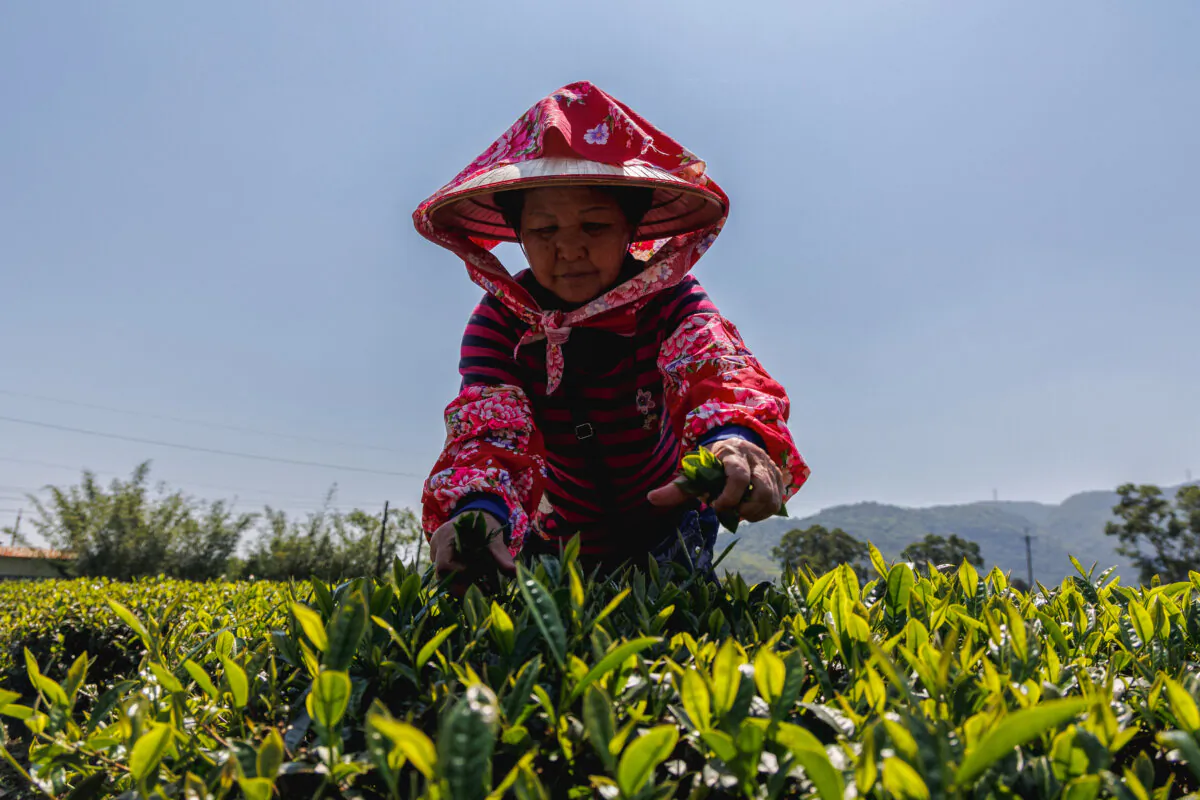
But that logic doesn’t hold up. These tariffs aren’t hurting the United States—they’re punishing countries like Kenya, India, Sri Lanka, and Vietnam, which grow tea and depend on its export for economic development and regional stability.
For consumers, this means paying more for basic goods with no Canadian equivalent. Tea shipments commonly pass through U.S. ports due to established warehousing and blending infrastructure. But under current rules, tariffs are based on where products are processed or shipped from, not where they’re grown. So even tea from Malawi routed through the United States gets hit with a 25 percent duty, penalizing African producers rather than American exporters.
Canada doesn’t grow or process tea at scale. The climate and infrastructure don’t allow it. The entire domestic tea sector—valued at up to $1.3 billion annually—relies on importing, blending, and branding. Yet this ecosystem is now under strain.
Since January, retail tea prices have risen by about 10 percent. One major importer reports paying $300,000 per month in tariffs. That kind of cost pressure is unsustainable for mid-sized businesses.
To avoid these punitive charges, some companies are trying to bypass the United States altogether. But these workarounds come with delays, regulatory headaches, and higher expenses. Businesses are absorbing these costs for now, but it won’t last.
And when it breaks, it’s everyday Canadians—especially seniors and low-income families—who will feel it most. For many, tea is more than a beverage. It’s an affordable, culturally significant and nutritionally beneficial drink. Even Health Canada’s dietary guidance recognizes its role in promoting hydration and mental wellness.
Let’s be clear: This tariff protects no domestic industry and offers no strategic benefit. The United States isn’t the source of the tea—it’s just a transshipment point. The real exporters, mostly in the Global South, are being squeezed by falling demand, while Canadians pay more for a staple found in millions of homes.
Canada has made exceptions before when no local alternative existed—during the pandemic for personal protective equipment such as masks and respirators, and again for critical manufacturing inputs. Tea clearly meets that same threshold.
If Ottawa is serious about easing food inflation, preserving trade integrity, and supporting global equity, it must act now. Scrap the tea tariff—before a misguided symbolic gesture becomes a needless hardship at home and abroad.
Dr. Sylvain Charlebois is a Canadian professor and researcher in food distribution and policy. He is senior director of the Agri-Food Analytics Lab at Dalhousie University.
Views expressed in this article are the opinions of the author and do not necessarily reflect the views of The Epoch Times.
 Friends Read Free
Copy
Facebook
Tweet
Friends Read Free
Copy
Facebook
Tweet