Commentary
I flew into Ohio for the 30th anniversary of Wellness Forum Health, invited by founder Pam Popper. Pam teaches a whole-food, plant-based diet. I went in the opposite direction—from vegan chef to Texas cattle rancher who values raw milk, animal fats, and responsibly raised meat.
Pam and I might seem to have little in common. But I met lovely people and was reminded that we need not agree about everything on the dinner plate to stand together for medical freedom. We both believe in bodily agency and honest information before treatment. I am grateful for the 30 years she has taught people how to interact with the medical system instead of surrendering to it.
I have always considered myself an informed-consent advocate around vaccines. But I had not thought nearly as much about prescription drugs. Neither I, my husband, nor my children take them. I rarely think about how easily one drug can become two, then five, then 14.
That changed as I listened to veteran advocate Derek Blumke and pharmaceutical-policy researcher Alan Cassels. Derek spoke about psychiatric drugs, veteran suicide, overprescribing, and patients never adequately warned about what could happen when they began—or tried to stop—a medication. Alan has spent decades examining the distance between pharmaceutical evidence and pharmaceutical marketing.
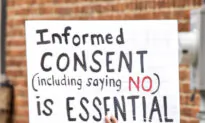
I left asking a question much larger than the one I arrived with: What does informed consent actually mean?
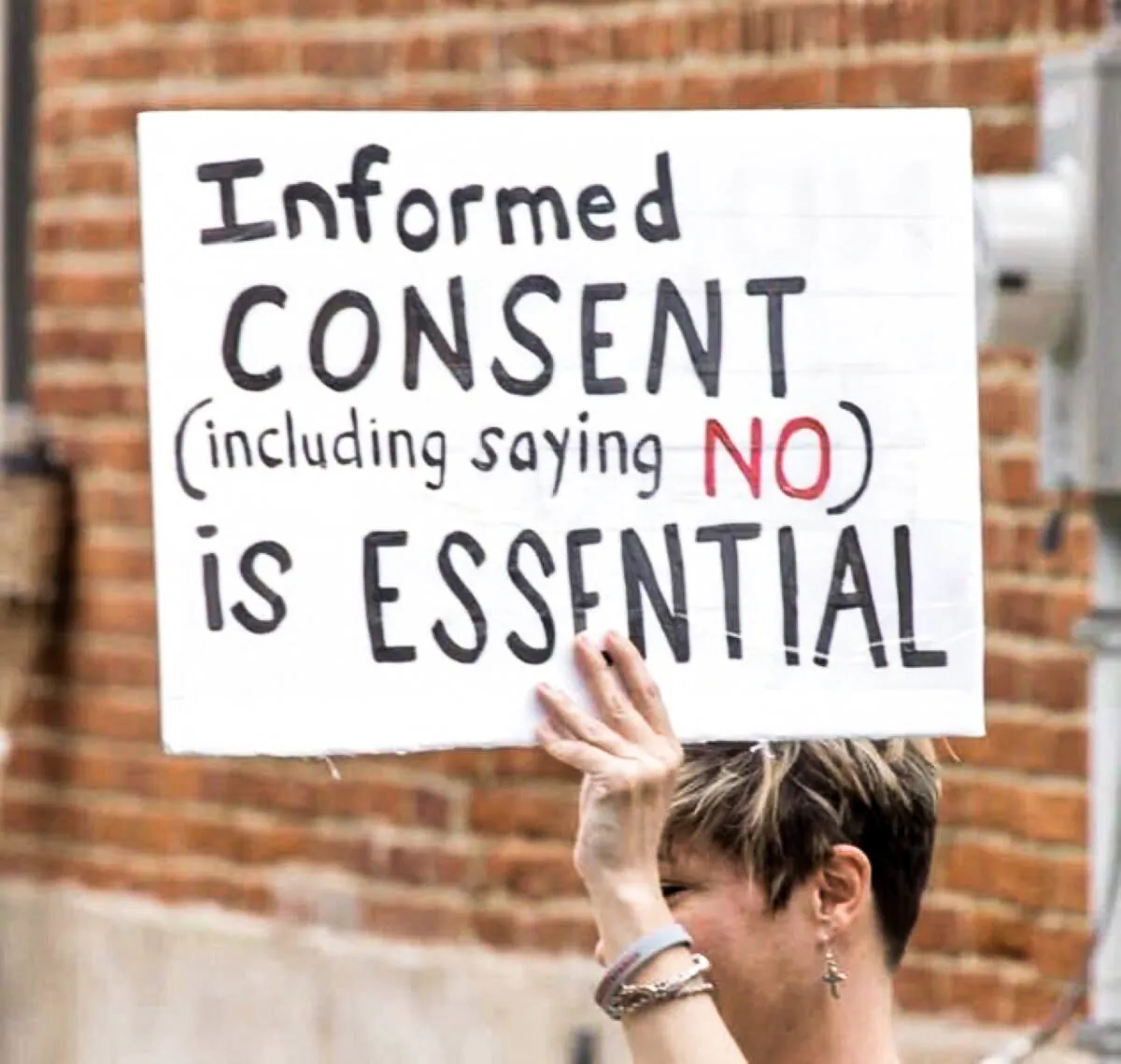
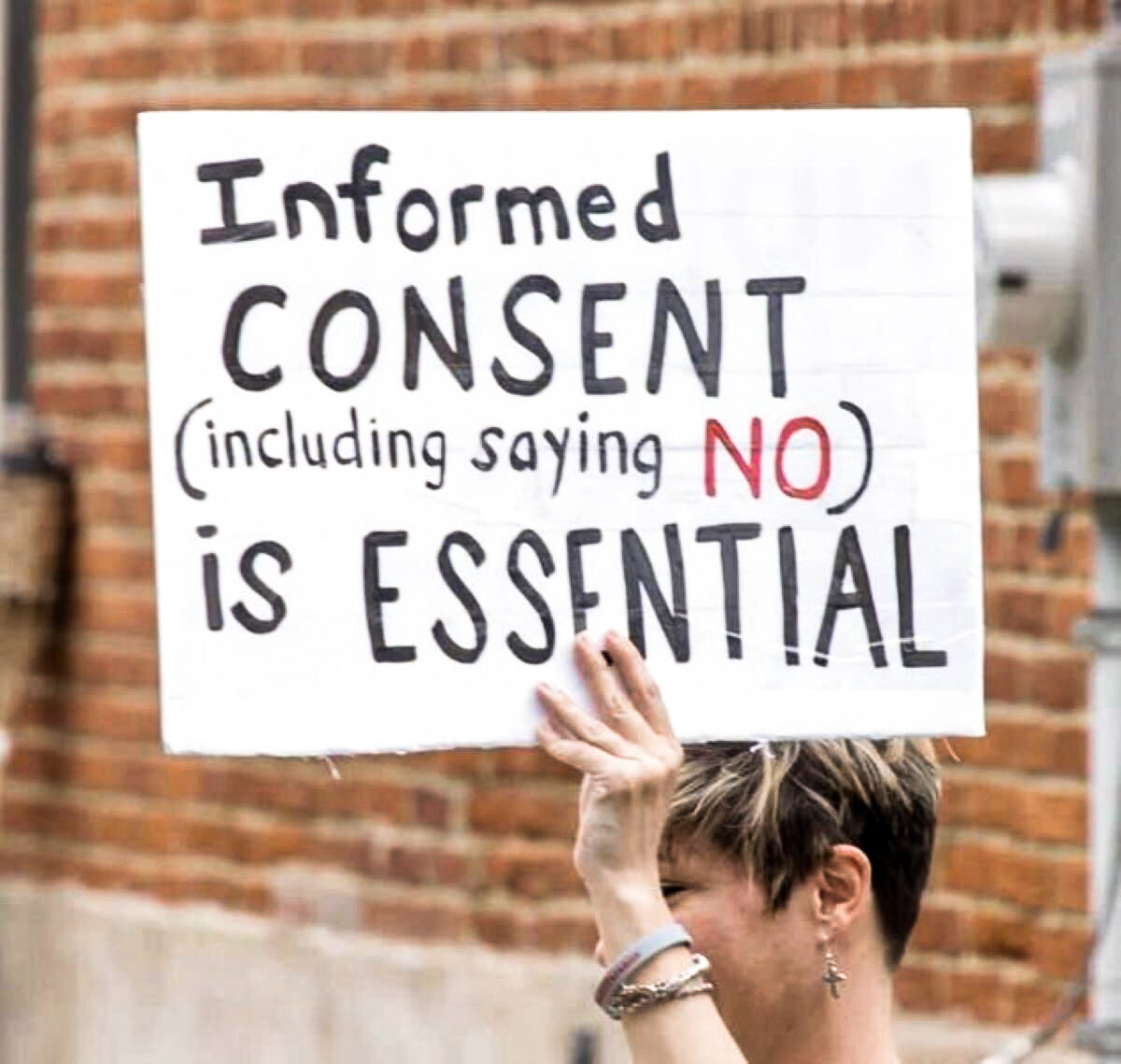
It cannot simply mean signing a form. It means understanding why a treatment is recommended, how likely it is to help, what harms it may cause, the alternatives, what happens if you do nothing, and what may happen when you stop. It means plain language and the freedom to say no.
A person can consent without being informed. I wonder if that is what many of us are doing.
One of Alan’s most important points was the difference between relative and absolute risk. Imagine that a drug lowers the chance of a medical event from two people out of 100 to one out of 100. That is a 50 percent relative reduction, which sounds enormous, but only a one-percentage-point absolute reduction. Both numbers are true. One is far more useful to the patient.
If we are told only that a drug “cuts the risk in half,” are we really informed? We should be told the starting risk, the absolute change, how long the benefit was measured, and the same clear numbers for harm. Benefits should not be advertised in relative terms while harms are minimized in absolute terms.
The stories made this failure painfully human. We heard about an elderly woman taking 14 drugs from five doctors. Each treated one symptom, but who was responsible for the whole person? A side effect can be mistaken for a new disease and treated with another drug. This prescribing cascade can feel like aging or bad luck.
Derek told the story of a young veteran who did not go to his doctor because he was depressed. He went to his primary-care doctor for a migraine. While there, he answered a series of questions, was diagnosed with mild depression, and was prescribed an SSRI. Eight days later, he killed himself.
That story alone cannot prove the drug caused his death, but it is a screaming demand for investigation. What was he told? Was he warned that the drug could change his thoughts or behavior? Was his family told what to watch for? Why was a man seeking help for a migraine placed on a powerful psychiatric drug after answering a few questions? Who was watching him during those first critical days?
The FDA requires antidepressants to carry its strongest boxed warning about increased suicidal thoughts and behaviors in children, adolescents, and young adults. But a warning buried in paperwork is not the same as looking a patient in the eyes and making sure he understands it. A label cannot replace a conversation.
This is why the Written Informed Consent Act now before Congress matters. It would expand a Veterans Administration written-consent directive beyond long-term opioid therapy to include antidepressants, antipsychotics, stimulants, anti-anxiety drugs, and narcotics. It has not become law. The fact that veterans do not already receive this level of written disclosure should shock us.
Stopping deserves its own conversation. Withdrawal can be severe, and some patients need an extremely slow taper lasting months or years. Yet people all over social media are trying to get off these drugs because nobody warned them how difficult stopping might be. A decision made during a short office visit can take years to reverse. If patients were not told that before starting, how was their consent informed?
Alan’s larger point was that the outcome promoted to us is not always the outcome patients care about most. We hear that a screening or preventive drug “saves lives,” but we are rarely shown the whole equation.
The U.S. Preventive Services Task Force acknowledges that mammography trials have not demonstrated a measurable reduction in deaths from all causes. Its models estimate that screening 1,000 women every other year from ages 40 to 74 could prevent about eight breast-cancer deaths while producing roughly 1,376 false-positive results and 14 overdiagnosed cancers. A major analysis of 65,229 people without established cardiovascular disease found that statins did not produce a statistically significant reduction in overall mortality. Other analyses found fewer cardiovascular events, but that is exactly the point: changing a disease-specific outcome is not always the same as helping people live longer. If patients are not shown both numbers, what are they consenting to?
We have begun medicating risk itself: pre-diabetes, pre-hypertension, low bone density, an elevated number on a lab report. Healthy people can be moved toward lifelong treatment without understanding the absolute chance that treatment will help them.
Meanwhile, the system is much better at naming and medicating symptoms than asking what in a person’s life may be contributing. What changed? What are you eating? What are you exposed to through food, water, fragrances, furniture, clothing, cleaning supplies, and personal-care products? How are you sleeping? What can safely be removed before something new is added?
Every elderly person needs an advocate. In fact, every person does. We must ask: What happens if I do nothing? What is the absolute chance of benefit or serious harm? Could my symptoms be side effects? How difficult will this drug be to stop?
Individual doctors may have good intentions, but they work inside a rushed and fragmented system built to prescribe. Good intentions do not create informed consent. Patients must be restored as participants rather than managed as collections of symptoms.
I went to Ohio expecting to disagree about food. I came home thinking about freedom. Medical freedom is not merely access to the treatment we want or the right to refuse the treatment we do not. It requires the truth in a form ordinary people can understand.
Informed consent is not a signature on a form. It is a conversation that creates understanding. Without that understanding, consent is only compliance.
Views expressed in this article are the opinions of the author and do not necessarily reflect the views of The Epoch Times.
 Friends Read Free
Copy
Facebook
Tweet
Friends Read Free
Copy
Facebook
Tweet