
Commentary
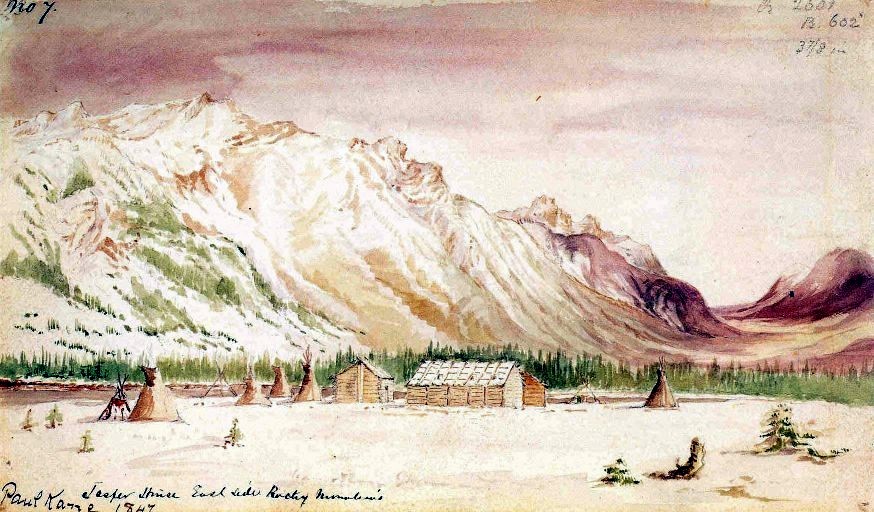
Two hundred years ago, scouts of the Hudson’s Bay Company ascended Alberta’s western rivers and set up a fur-trading post on the banks of the Athabasca River in what is today part of Jasper National Park. The park was named after Jasper Hawes, who was the first occupant of the Athabasca post, which became known as Jasper House.
In 1964, when I began my long-term wildlife observations in Jasper National Park, I wondered what the early residents of Jasper House saw. I wrote to the Hudson’s Bay Company headquarters in Winnipeg, and they sent a microfilm of the handwritten diaries of Michel Klyne, a Scotsman who was the postmaster of Jasper House in the late 1820s. His full-time hunter made three-day hunting trips, but more than once he returned empty-handed. As suggested by the late John Stelfox, Alberta’s chief biologist, hoofed animal populations were at a very low ebb in the 1800s. He attributed their scarcity to year-round hunting by white travellers and aboriginal tribes.
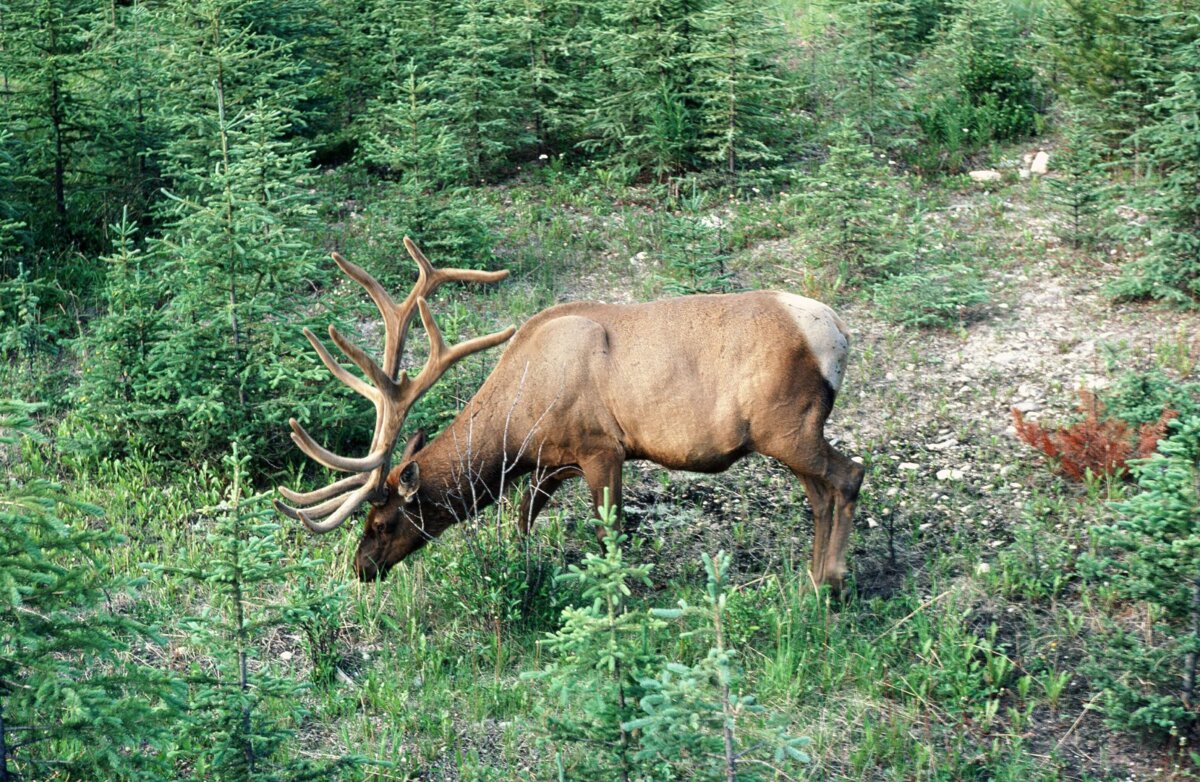
In 1907, when Jasper National Park was established, its original elk population had been practically hunted out. In 1920, 89 elk were bought from Yellowstone National Park in Wyoming and transported by train to Jasper. Hunting was not allowed in the park, and large predators were shot on sight. The elk increased to a peak of about 3,000, when they overgrazed the available winter range. Starving elk were eating the bark of poplar trees. To limit their number, park wardens began a temporary culling program of shooting and butchering several hundred elk cows during winter. The meat was donated to native communities.
In 1974, Parks Canada biologists estimated Jasper’s elk population at 2,000–2,400. In 1984, they reported a major downturn to less than 1,000. The current estimate is between 300 and 400. There are various reasons for the decline. First, the twinned railway and the increasingly busy Yellowhead Highway transecting the park caused year-round accidental mortality. Second, there was heavy hunting and poaching on the park boundaries. Third, a series of cold winters had buried the elk range with record snowfalls. Fourth, grizzlies and black bears were sniffing out and killing newborn calves. Fifth, wolf predation on adult and juvenile elk intensified, concurrently with an increase of packs in and around the park. Today, Jasper Park’s elk population estimate is down to 400–500.
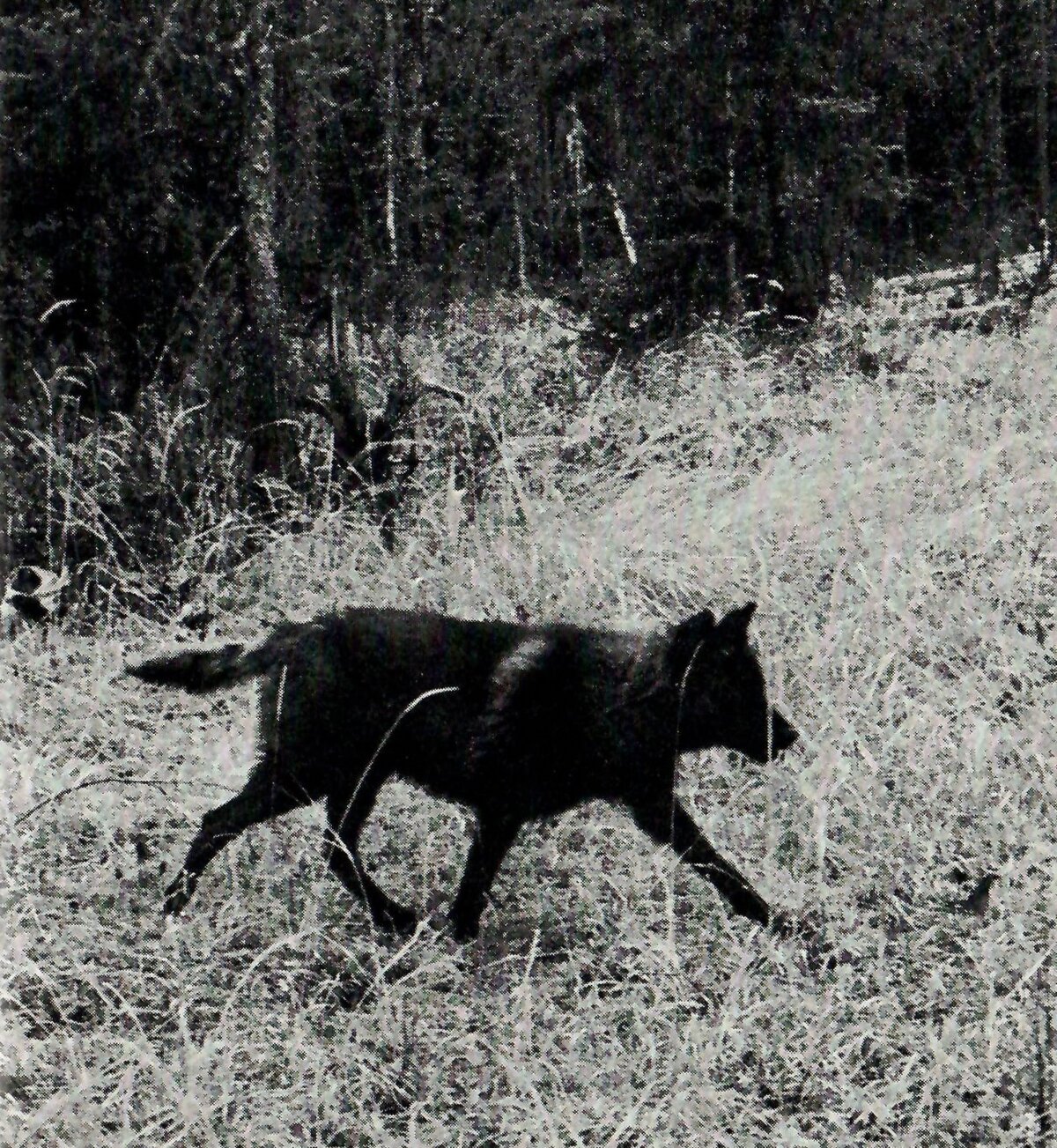
During the elk herd’s decline, their grazing pressure dropped and formerly open habitats became overgrown with bushes and trees. While hiking the Willow Creek Trail, the view ahead was often blocked and I became increasingly worried about surprising a bear. This was one reason why I stopped visiting that district. Instead, I began spending my days in the Lower Athabasca Valley.
A few years ago, the elk kept the bushes and trees cropped down. But after the herd’s decline, I began to see an intrinsic change. Spruce seedlings were sprouting on grassy hillsides, and willows clogged the meadows. My usual walking trail across the flats became overgrown.
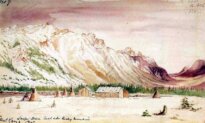
Based on historical literature, I learned that First Nation tribes living in the Rocky Mountain foothills of Alberta two centuries ago commonly used fire to open forested terrain. They did so to spot prey animals from afar as well as potential competitors. An amazing photo taken in 1872, available through Library and Archives Canada, shows old Jasper House against a backdrop of majestic Roche Ronde in the Canadian Rockies. Today, this prominent mountain and the adjacent front range are mantled in spruce woods. By contrast, in earlier times they were kept open by recurrent fires ignited by the residents of the area.
An illustrious witness to those practices was David Thompson, purportedly the first white man to travel through the Athabasca Valley. In his 1811 journal, Thompson wrote that his journey between Rocky Mountain House and Jasper was impeded by blackened and still-smouldering trees. In his words, the foothill forests were in a constant state of conflagration.
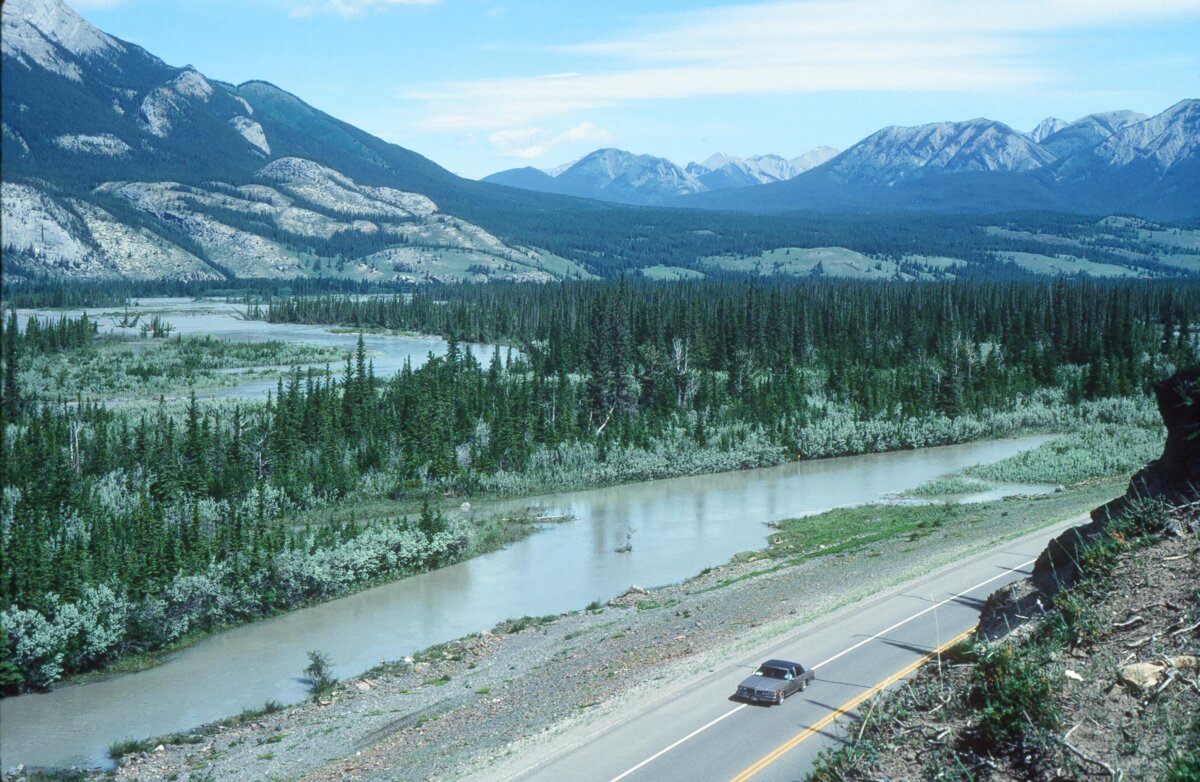
Along formerly open trails along the Lower Athabasca and its northern tributary, the Snake Indian River, deciduous trees have spread. Park staff have done a lot trying to manage the natural plant succession by setting prescribed fires, but after having been spot-burned, willows often send up multiple stems the following year.
Everywhere else in and around Jasper National Park, spruce and pine forests have grown in height and density. Biologist Clifford White, a retired chief warden of Banff National Park and an expert on prescribed fires, told me recently that he thinks “Jasper’s backcountry is due for a megafire.”
To prevent such a calamity, the practice of setting prescribed burns in Jasper National Park is not something new. In fact, near the end of the 20th century, park staff frequently set spot fires on the slopes of Roche Miette flanking the lower Athabasca Valley. This was a risky practice that backfired in 2003, when the spot-fire got out of control and finally died down 45 kilometres up the Rocky River Valley. And in 2024, the main valley of Jasper National Park was hit with fires that converged on the townsite and destroyed hundreds of houses and businesses.
Views expressed in this article are the opinions of the author and do not necessarily reflect the views of The Epoch Times.
 Friends Read Free
Copy
Facebook
Tweet
Friends Read Free
Copy
Facebook
Tweet