Commentary
When COVID-19 swept across the globe, governments shut down businesses, closed schools, and confined people to their homes. We were told it was all to “save lives.” But I couldn’t help asking: Whose lives, and at what cost? For a virus with a survival rate of more than 99 percent for the vast majority—especially those younger than 50—we disrupted nearly every aspect of society. And yet, the real epidemic—the one driven by processed food, inactivity, artificial environments, and chronic stress—continues to take millions of lives each year with far less urgency or attention.
Heart disease, diabetes, obesity, and cancer are not mysteries. They’re the result of a culture that often values convenience over connection, quick fixes over well-being, and prescriptions over prevention. And despite that they are largely preventable, these chronic conditions remain the leading causes of death in the United States.
If health were truly our top priority, we might have seen a national campaign to encourage outdoor activity, better nutrition, and community resilience. Instead, we closed beaches and parks while liquor stores and fast-food drive-throughs stayed open. That’s not science—it’s a sign of misplaced priorities.
Let’s consider the numbers. In 2020, the Centers for Disease Control and Prevention reported a fatality rate of less than 0.5 percent for people younger than 50. For most healthy individuals, COVID-19 posed a low risk. By 2021, treatments and early interventions—including vitamin D, vitamin C, and others—were being explored around the world. Yet restrictions continued, long after the highest threat had passed for most.
Meanwhile, 700,000 Americans die every year from heart disease, more than 100,000 from diabetes. Obesity-related conditions cost the United States more than $150 billion annually. These aren’t viral outbreaks—they’re lifestyle diseases, shaped by the systems we’re told to rely on: industrial food, sedentary routines, and a health care model designed more to manage symptoms than to address root causes.
This raises an important question: If protecting public health was truly the goal, why didn’t we act with the same urgency to tackle the chronic disease crisis?
No one’s suggesting we needed mandates for gardening or sunlight breaks—those are rhetorical examples. But think about it: We accepted sweeping interventions such as school closures and mask mandates, yet we still subsidize commodity crops that feed the processed food industry. We still allow ultra-processed foods to dominate school lunches and store shelves, and we rarely talk about nutrition, movement, or circadian health in any serious public campaign.
Take sunlight, for example. More than 40 percent of Americans are vitamin D deficient, which is linked to weakened immunity and increased chronic disease risk. Just 15 to 30 minutes of sun exposure daily can make a difference. But during lockdowns, we closed parks and told people to stay indoors—missing an opportunity to promote one of the most accessible and effective forms of prevention.
The same goes for physical activity. More than 80 percent of Americans don’t meet basic exercise guidelines. Inactivity alone is linked to 10 percent of premature deaths. Yet during lockdowns, gyms and yoga studios were shuttered, while screen time—especially for children—skyrocketed. This disrupted sleep, worsened anxiety, and further disconnected us from our bodies and natural rhythms.
Then there’s food. We know that diets high in sugar, seed oils, and ultra-processed ingredients drive inflammation and disease. Yet soda, candy, and chips remained on shelves during COVID-19—unrestricted and unchallenged. While we were told to sanitize everything and keep our distance, little was said about the power of real food to support immunity and resilience. Where were the public health campaigns encouraging bone broth, fermented vegetables, or fresh herbs?
The truth is, the health care system didn’t collapse under COVID-19—and it hasn’t collapsed under the burden of chronic illness either. In fact, it profits from both. We spend more than $4.5 trillion annually on health care in the United States, and 90 percent of that goes toward treating chronic disease. Yet less than 3 percent is spent on prevention. That’s not a system designed to make people well. It’s a system that often functions best when people are just sick enough to need ongoing care.
To be clear, COVID-19 did pose a serious threat to certain populations: the immunocompromised, the elderly, and those with multiple health conditions. For them, extra precautions made sense. But for the vast majority—especially healthy children and adults—it posed far less risk. And yet we upended daily life while continuing to ignore the slow-moving crisis of chronic illness that affects far more people, year after year.
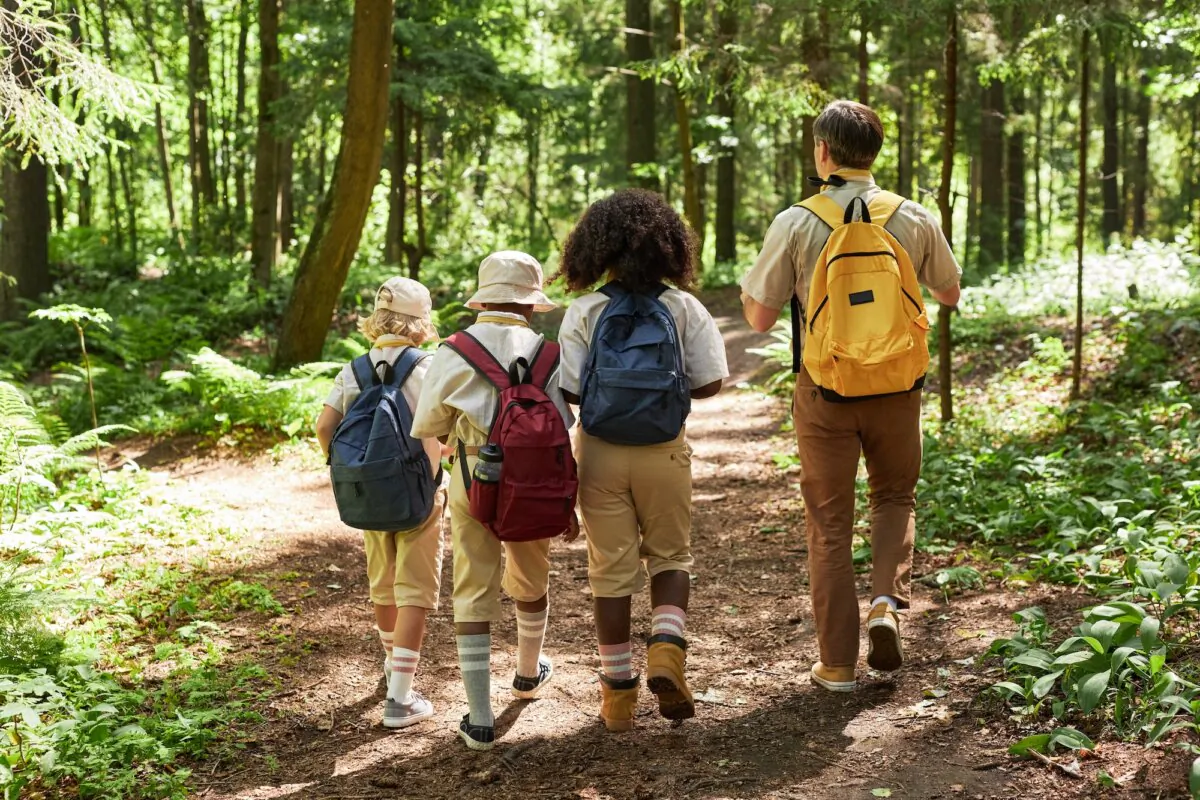
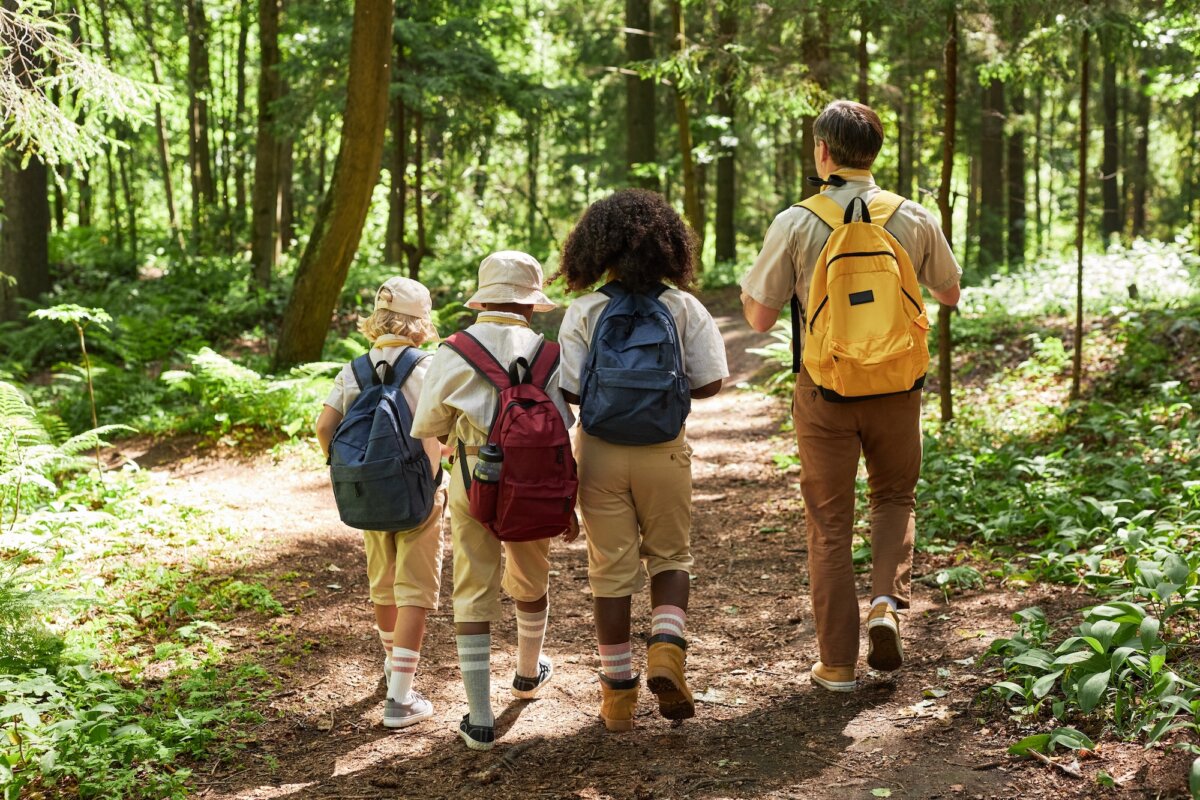
What if, instead of fear-based messaging, we had heard: Get outside. Eat real food. Move your body. Sleep deeply. Connect with your community. What if, instead of QR codes, we handed out seeds and soil? Instead of more screen time, we helped kids build raised beds and cook meals from scratch?
That kind of message doesn’t benefit large corporations—but it does build healthier, more resilient people. And that, ultimately, is the foundation of any thriving society.
COVID-19 didn’t cause our health crisis—it exposed it. The virus highlighted just how disconnected we’ve become from nature, from our bodies, and from common sense. We locked down for a virus with a high survival rate but continue living in ways that make us anxious, exhausted, and unwell.
We don’t need more mandates. We need a cultural shift. One that values long walks, deep sleep, real food, meaningful relationships, and trust in our own instincts. A future in which health isn’t something we outsource, but something we reclaim.
Start small. Plant a seed. Get your feet on the earth. Put your face in the sun. Reconnect with what’s real—because no one else can do that for you.
Views expressed in this article are the opinions of the author and do not necessarily reflect the views of The Epoch Times.
 Friends Read Free
Copy
Facebook
Tweet
Friends Read Free
Copy
Facebook
Tweet