Commentary
I owned five restaurants in Los Angeles. Between them, we served well over a thousand meals a day.
Looking back, I don’t remember a single customer walking out because we didn’t serve soda. In fact, it was rarely even ordered. We had one regular in Culver City who loved soda so much that the servers would occasionally run to the gas station and buy him one because he tipped so generously. Beyond that, I hardly remember it coming up.
Here in Texas, people regularly walk out of my restaurant because we don’t have it.
The first few times it happened, I was surprised. Then I became fascinated.
One of the most memorable examples happened during pumpkin patch season. A father called to ask if his son’s first birthday party could take place at our ranch. They wanted pictures with the animals and access to the bounce house. I told him that if the adults ordered food from the restaurant, we’d happily let the children enjoy the activities at no charge.
The day arrived. They showed up late, and daylight was disappearing quickly. My employees helped hang decorations, inflate balloons, and get everything set up while the family rushed outside to take photos before sunset.
They occupied about a third of the restaurant for more than two hours. The children played, the family took pictures, and my staff did everything they could to make the afternoon special.
Then the birthday boy’s mother came to the bar.
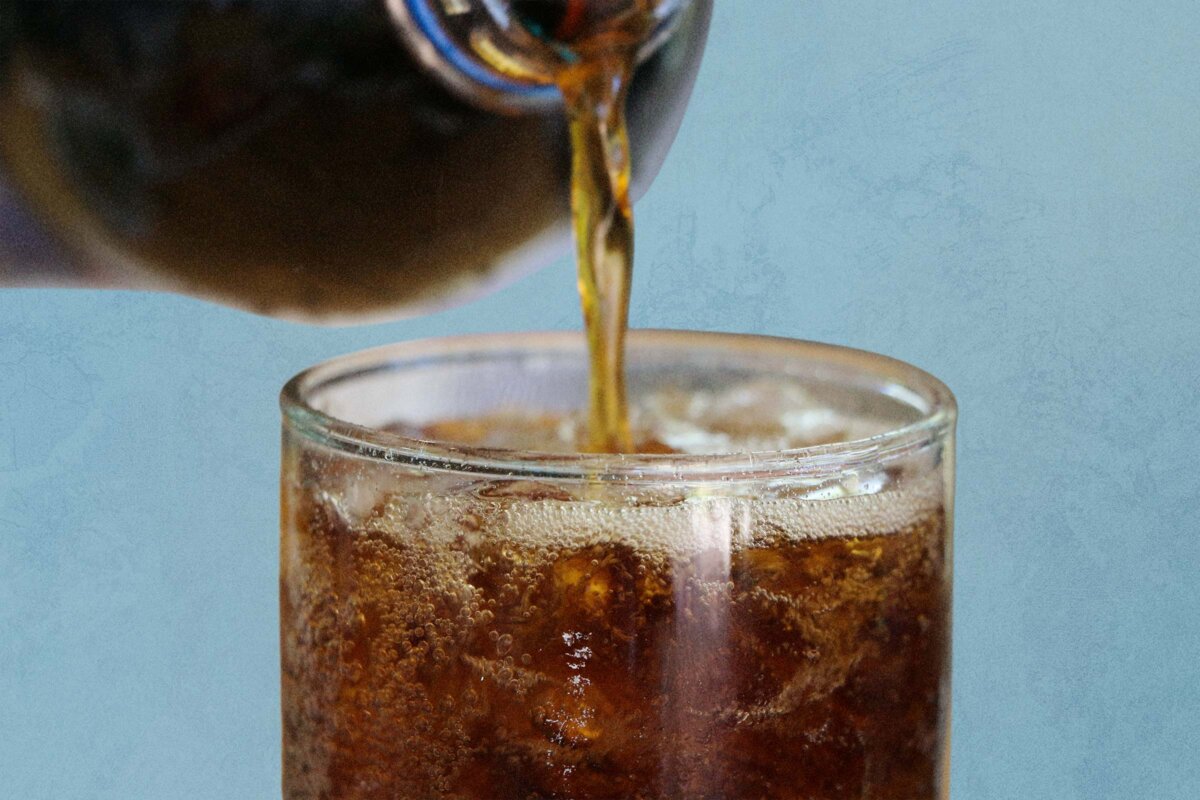
“We’re ready to order,” she said. “Can we start with some soft drinks?”
I explained that we don’t serve soda.
What we do serve is fresh squeezed lemonade, hibiscus tea, strawberry agua fresca, herbal farm tea, coffee, cocktails, wine, beer, and water. Everything we make follows the same philosophy as our food. We focus on ingredients that are minimally processed and made from scratch whenever possible.
She became visibly upset and announced to the rest of the party that they were leaving and going to find a “real restaurant” that had the sense to serve soda.
They packed up the decorations and started carrying everything to their vehicles.
The father apologized. He acknowledged that they had occupied a large section of the restaurant, used the activities, and benefited from the time and labor of our staff. He said he would contribute something to the restaurant once he finished helping his family pack up.
Then he quietly left.
I texted him afterward and asked him to contribute something, since he himself had acknowledged that it was only fair. He again promised to send a Venmo payment.
He never did.
More recently, a truck full of adults drove seven miles outside of town and another mile down a ranch road to visit the restaurant. They sat down, asked for soda, and when they learned we didn’t have it, decided to leave and eat somewhere else.
They had already made the drive, found the restaurant, sat down, and decided what they wanted to eat. Yet the absence of one specific beverage was enough to send them back to town.
My friend Daniel hears these stories and gives the obvious answer.
“Just sell soda.”
From a business perspective, he’s probably right.
Supply and demand is real. Customers ask for it. People want it. I would likely make more money if I carried it.
But every business owner eventually has to decide whether their business stands for anything beyond maximizing revenue.
My goal has never been to create another restaurant serving the same products available everywhere else. The goal is to serve the highest quality food I can find, sourced as locally as possible, made with as little processing as possible. It feels strange to spend years building a restaurant around that philosophy and then abandon it because people expect a fountain machine.
The more I’ve thought about these interactions, the less I think they’re about soda.
What I’ve come to believe is that this isn’t really about soda at all. It’s about comfort.
We live in a culture organized around immediate gratification. If we want entertainment, we stream it. If we want groceries, they’re delivered. If we want information, answers appear instantly in our pockets. Convenience has become so normal that even minor inconveniences can feel intolerable.
The other day I told my daughter we were out of yogurt. She fell to the ground crying.
Most parents recognize that moment. Children have not yet learned that disappointment is survivable. They feel a desire and expect it to be fulfilled immediately. Adults are supposed to be different, yet many of us carry more sophisticated versions of the same impulse.
Before anyone accuses me of feeling superior, I should admit that I have my own comforts. I spend too much time on my phone. I drink more coffee than I should. I love bread and rice and probably eat more carbohydrates than is ideal. Like everyone else, I have habits I reach for automatically.
That’s why these moments interest me.
Los Angeles had its own addictions. Image. Status. Trendy diets. Endless wellness fads. I’m not holding it up as some kind of nutritional utopia. But on this one issue, soda had largely become passé. Not illegal. Not forbidden. Not something people were campaigning against. It had simply become old-fashioned. Most people viewed it as an occasional treat rather than a daily expectation.
In Texas, I have found many things I prefer. The people are friendlier. The regulations are lighter. Family life feels more central. The culture is healthier in countless ways.
But on this one issue, I find myself reflecting.
When fresh lemonade, herbal tea, strawberry agua fresca, coffee, beer, wine, cocktails, and water are all available, yet the absence of soda causes someone to walk away entirely, it’s a mirror held up to us.
The things we cannot comfortably live without tell us more about ourselves than the things we say we value.
Views expressed in this article are the opinions of the author and do not necessarily reflect the views of The Epoch Times.
 Friends Read Free
Copy
Facebook
Tweet
Friends Read Free
Copy
Facebook
Tweet