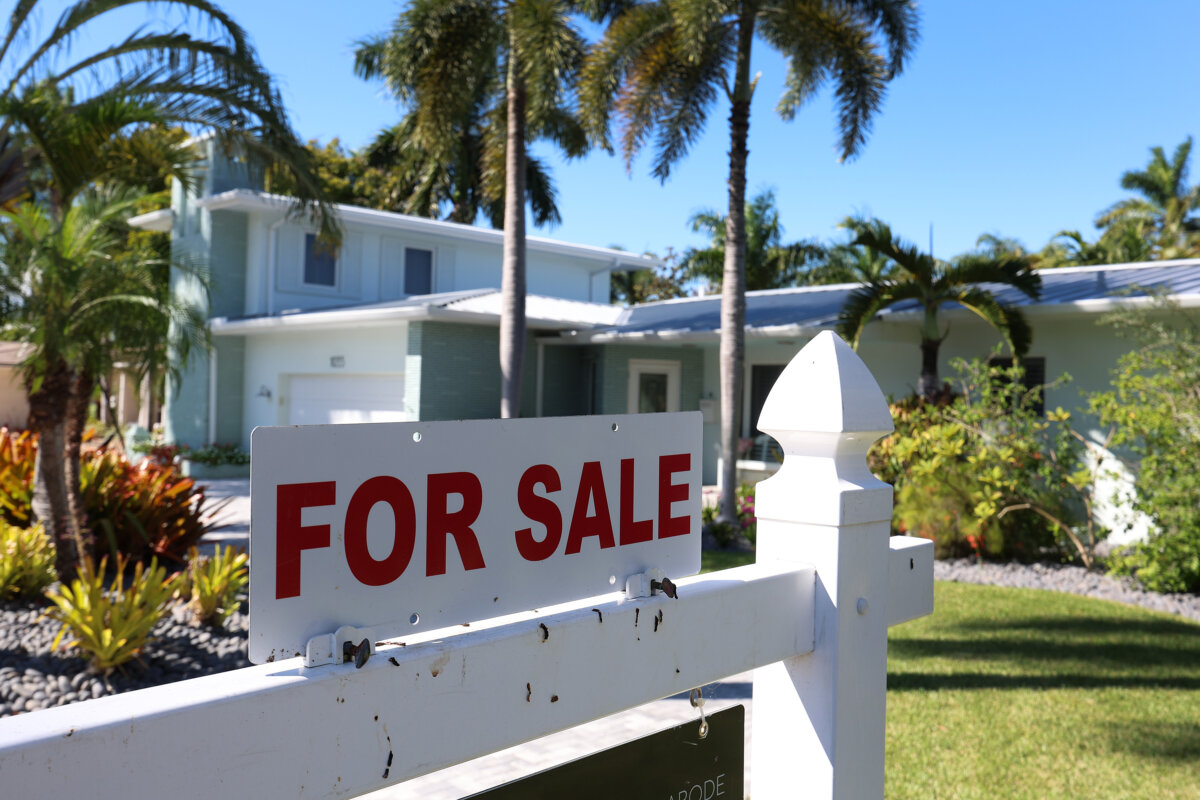

The average long-term U.S. mortgage rate has hit a nine-month high, raising borrowing costs for homebuyers during the typically busy spring buying season.
The average rate on a 30-year fixed mortgage rose to 6.51 percent, up from 6.36 percent last week, Freddie Mac said on Thursday. That marks the highest level since Aug. 28, when the average rate stood at 6.56 percent.
The benchmark rate had dipped just below 6 percent in late February for the first time since late 2022, but it has not fallen beneath that threshold since.
Even with the recent increase, however, the average 30-year mortgage rate is still below the 6.86 percent level recorded a year ago.
Borrowing costs also increased for 15-year fixed-rate mortgages, which are often used by homeowners seeking to refinance. Freddie Mac said the average rate on a 15-year loan rose to 5.85 percent this week from 5.71 percent last week. A year ago, that rate was 6.01 percent.
Data from the Mortgage Bankers Association underscored the impact of rising rates on housing demand. The group said Wednesday that the average rate on a 30-year fixed mortgage climbed 10 basis points to 6.56 percent in the week ended May 15, while mortgage applications fell 2.3 percent from a week earlier to their lowest level in five weeks.
Nearly one in 10 borrowers applying for home loans chose adjustable-rate mortgages, the MBA said, as those loans were being offered at rates roughly 80 basis points below the average 30-year fixed mortgage.
Real estate brokerage Redfin reported a similar cooling in demand. Pending home sales in the United States fell 1.1 percent from a week earlier in the week ending May 17, Redfin said, marking the first weekly decline since early April.
Still, higher mortgage rates may also ease competition for buyers who can still afford a home, according to Chen Zhao, Redfin’s head of economics research.
“It’s already a buyer’s market, and this week’s jump in mortgage rates may give house hunters with stable incomes another opportunity to negotiate a home’s price down and get concessions from sellers,” Chen said.
Mortgage rates tend to follow the direction of the 10-year Treasury yield, which lenders use as a key benchmark in pricing home loans.
Long-term yields have been rising in recent weeks as financial markets react to the war with Iran and the closure of the Strait of Hormuz, a crucial global energy shipping route. At the same time, worries over rising government debt in the United States and other countries have added upward pressure on long-term bond yields.
The yield on the 10-year U.S. Treasury note stood at 4.6 percent in midday trading Thursday, up from 4.47 percent a week earlier. In late February, before the war began, it was just 3.97 percent.
 Friends Read Free
Copy
Facebook
Tweet
Friends Read Free
Copy
Facebook
Tweet