
The number of U.S. renter households making at least $1 million a year has more than tripled in five years, as even some of the country’s highest-income people choose to rent rather than own their homes, an Oct. 15 report found.
There were about 18,400 millionaire renter households in 2024, up 229 percent from 2020, according to apartment search platform RentCafe’s analysis of U.S. Census Bureau data compiled through IPUMS.
The growth outpaced millionaire homeowner households, which increased 193 percent over the same period.
RentCafe defines a “millionaire renter” as someone living in a renter household with total annual household income of at least $1 million. The measure refers to income rather than net worth.
Only about 4,460 renters individually earned more than $1 million in 2024, the report found. That means most of the households classified as millionaire renters reached the threshold through the combined earnings of two or more people.
The analysis is based on Census Bureau’s American Community Survey five-year estimates covering 2020 through 2024 and an earlier comparison period. The income figures are nominal and have not been adjusted for inflation.
Millennials Lead the Shift
Millennials accounted for 49 percent of millionaire renter households in 2024, and their numbers increased 392 percent from 2020, according to the report.
Gen X accounted for another large share, while Gen Z remained a small but rapidly growing group. The number of millionaire Gen Z renter households rose from fewer than a dozen in 2020 to more than 400 four years later.
RentCafe said flexibility appears to be one factor behind the trend. High-income households may prefer being able to relocate without having to sell an expensive property, while some may choose to keep more of their money invested elsewhere instead of tying it up in real estate.
Remote work, rising technology-sector wealth, and migration toward lower-tax states may also have contributed, the report said.
Southern Cities Gain Appeal
The nation’s traditional high-cost cities are still the biggest centers for millionaire tenants, but there is growing interest in the Sun Belt and smaller markets.
The New York City metropolitan area had about 7,296 millionaire renter households in 2024, up from 2,730 in 2020, according to RentCafe. That means that Greater New York alone accounted for roughly two-fifths of the nationwide total.
San Francisco ranked second with 1,863, up 273 percent over five years. Los Angeles followed with 1,532, an increase of more than 600 percent. San Jose had 895, while Miami had 538.
Some of the most dramatic percentage increases occurred in places that previously had few wealthy renters.
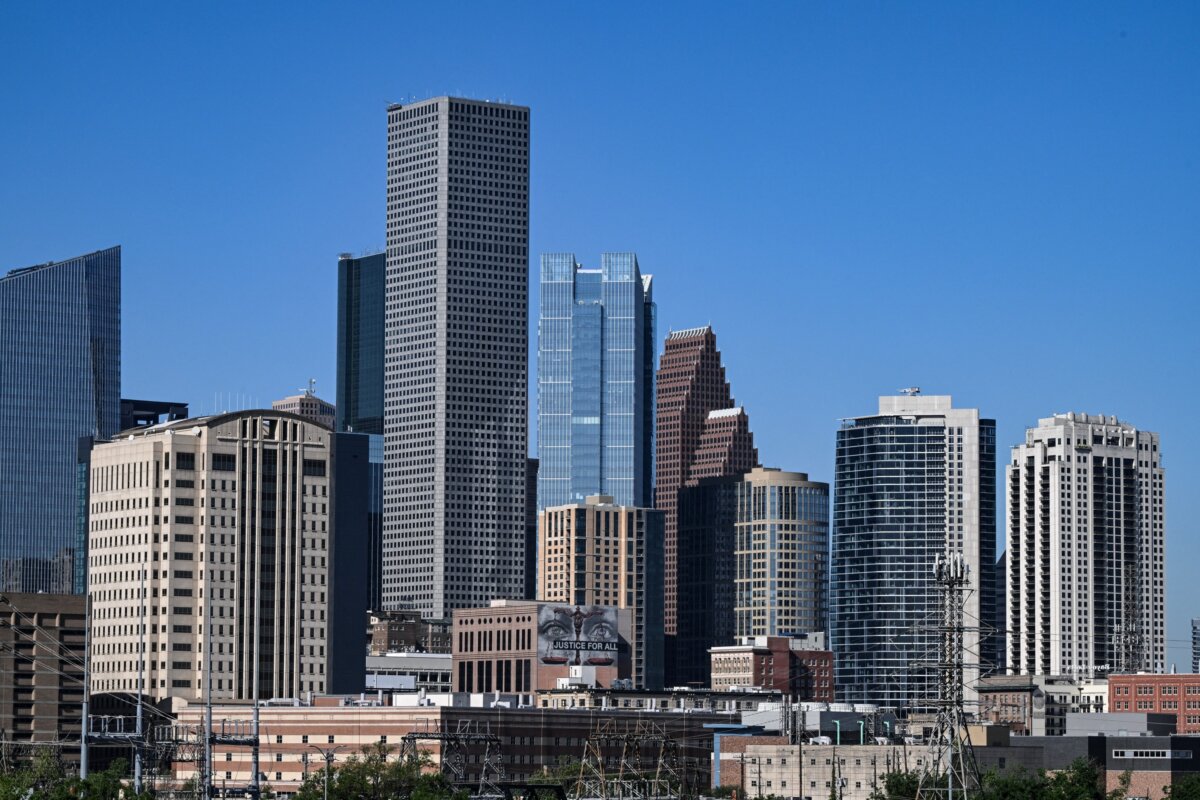
Houston went from just 18 millionaire renter households in 2020 to 232 in 2024, an increase of nearly 1,200 percent. Naples, Florida, rose from seven to 76, while Miami increased from 51 to 538.
Charleston, South Carolina, now dubbed “Silicon Harbor” because of its thriving tech sector, had none in 2020 but counted 217 in 2024.
“Stock market gains, new AI wealth and the staying power of remote work are all driving the shift by enabling affluent renters to live somewhere more affordable without putting their careers on hold,” RentCafe said.
Even after those rapid increases, millionaire renters remain a very small share of the overall housing market in most of these cities. Houston, for example, has roughly 2.7 million households, compared to its 232 million-dollar-earning renters.
Still, the faster growth of wealthy renters suggests that renting is increasingly not simply an option for households that cannot afford to buy.
A report by Zillow last week found that the typical U.S. rent was $1,932 a month in September. By comparison, the typical monthly payment for a new homebuyer had climbed to $3,037, up 5 percent from a year earlier.
Rental demand was up 19.2 percent year over year, Zillow said.
In a separate rent-or-buy analysis, Zillow estimated that a typical home purchase takes about six years to become financially preferable to renting nationwide.
In particularly expensive markets such as San Francisco and San Jose, renting remained ahead in its analysis even over a 30-year period.
 Friends Read Free
Copy
Facebook
Tweet