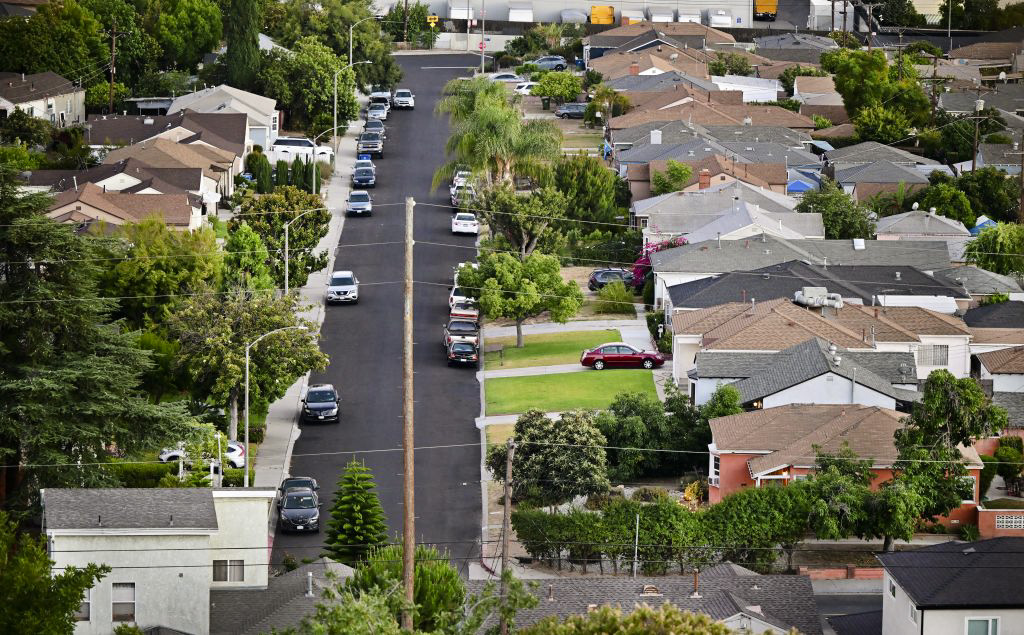

Millions of single-family homes may sit vacant in some housing markets because their owners have concluded that selling them would trigger a bigger tax bill than simply holding on to the property, a new analysis suggests.
In an April report, real estate investment firm Flock Homes looked at so-called “zombie homes,” or vacant properties whose owners have chosen not to sell or rent them out.
Keeping a zombie home is costly. The owner collects no rental income while still having to pay property taxes, insurance, maintenance, utilities, and other fees. But in many major metro areas, Flock found that it can take many years of those holding costs before vacancy becomes more expensive than selling.
The analysis examined 7.2 million single-family homes that had been vacant for at least 90 days across the 49 most populous U.S. metro areas. Using federal data, Flock Homes compared the modeled annual cost of keeping a home vacant with the estimated “exit tax” an owner could face by selling. That includes capital gains taxes on the increased value of the home and, where applicable, depreciation recapture—an IRS rule that requires sellers to pay back part of the tax benefits taken for the property’s wear and tear.
In the Los Angeles area, for instance, Flock estimated that the average homeowner age 65 or older faces an exit tax of $185,054, compared with annual holding costs of $9,899. At that rate, the owner could leave the property vacant for 18.7 years before the carrying costs exceeded the tax bill from selling.
The Salt Lake City area ranked second, with a break-even period of 15.9 years. Its average exit tax, at $99,443, was far below those in more expensive California metros, but annual holding costs were also low enough that waiting could still make more financial sense.
California accounted for six of the 49 metros identified in Flock’s analysis, the most of any state, with several ranking near the top. In addition to Los Angeles, they included the San Jose area, where it would take 14.9 years for holding costs to break even with the estimated tax burden from selling; the San Diego area (14.5 years), the San Francisco area (14.1 years), the Sacramento area (13.7 years), and the Riverside area (11.4 years).
The same pattern appeared across parts of the Mountain West and Southwest, including the Phoenix area (14.4 years); the Las Vegas area (13.1 years), and the Denver area (11.5 years). The Dallas area ranked at the bottom of the list with a 5-year break-even period.
East Coast metros generally did not show average exit taxes comparable to those in California. One exception was the greater New York area, where Flock estimated an average exit tax of $112,387. But because annual holding costs were also high, at $15,647, the area’s break-even period was only 7.2 years. That annual holding cost ranked third highest on Flock’s list, behind only San Jose and San Francisco.
The analysis did not factor in the federal capital gains exclusion for primary residences, because the homes examined were vacant. It also excluded mortgage payments, since many older homeowners who own vacant properties have already paid off their mortgages.
“For many aging real estate owners, the tax bill triggered by a sale far exceeds the cost of simply leaving the home empty,” Flock concluded.
According to the report, many older homeowners plan to hold their properties until death, when their heirs can inherit them with a “stepped-up basis” tied to the property’s current market value. That can effectively wipe out the accumulated capital gains tax liability.
“For tens of millions of Americans who own real estate and are sitting on decades of appreciation, this is the optimal exit strategy,” it said.
The findings come as national home prices still sit near historic highs. According to the National Association of Realtors, the median existing-home price rose to $408,800 in March, a 1.4 percent increase year-over-year.
Unsold inventory also increased 3 percent in March to 1.36 million units, equivalent to a 4.1-month supply, according to the NAR report.
 Friends Read Free
Copy
Facebook
Tweet
Friends Read Free
Copy
Facebook
Tweet