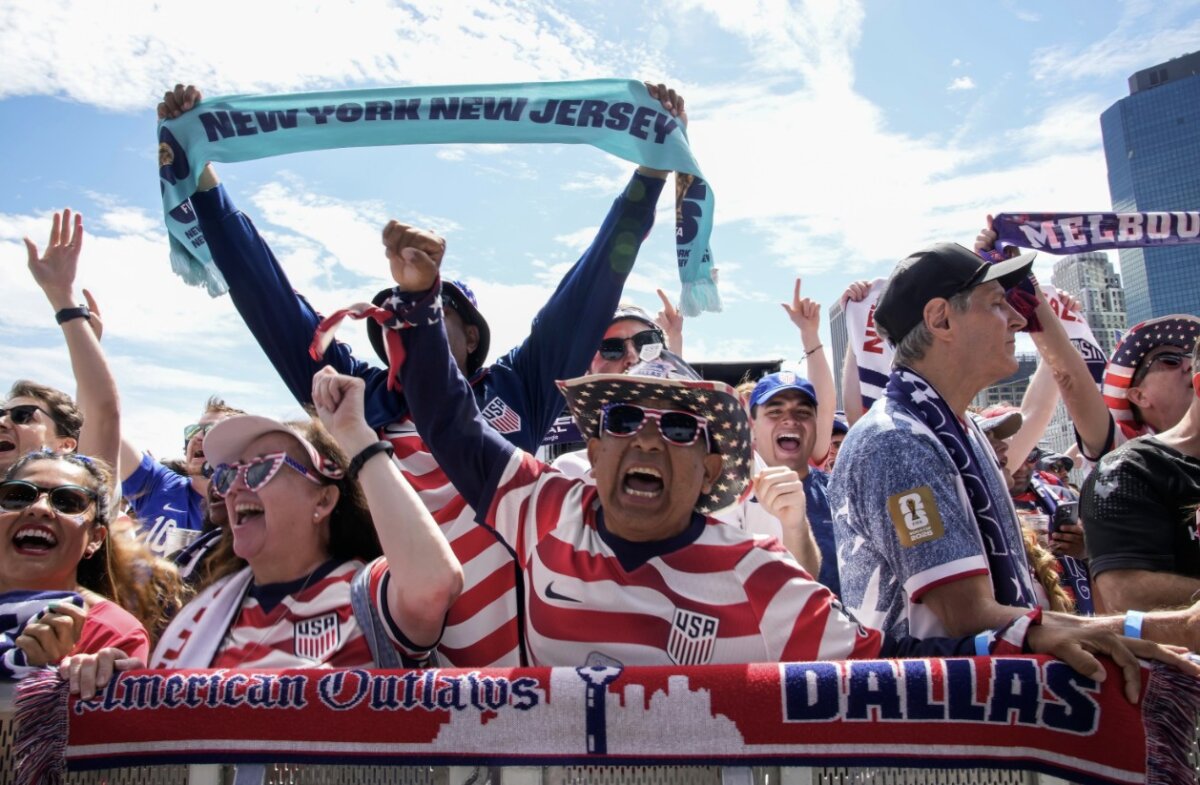

The soccer World Cup gets underway on June 11 when Mexico plays South Africa in Mexico City, and the United States plays its first game against Paraguay in Los Angeles two days later.
This is the first time that three countries—Canada, Mexico, and the United States—have cohosted the tournament, and soccer’s governing body, the International Federation of Association Football (FIFA), has also increased the number of teams to 48 from 32.
Here are 10 things to watch out for between now and the final on July 19.
1. Can Argentina Defend Its Title?
Spain is the favorite to win the tournament, but the current cup holder, Argentina, and 2022 finalist France are both likely to be in the shake-up, Adam Bjorn, CEO of Plannatech, which operates the Prime Sportsbook and Betcris betting exchanges, told The Epoch Times.
As for dark horses who might go far in the tournament, he said it is worth looking out for Ecuador, Senegal, and Japan.
The United States reached the quarter-finals in 2002, but Bjorn said it would be a surprise if they got that deep into the tournament this time.
2. The Star Players to Watch
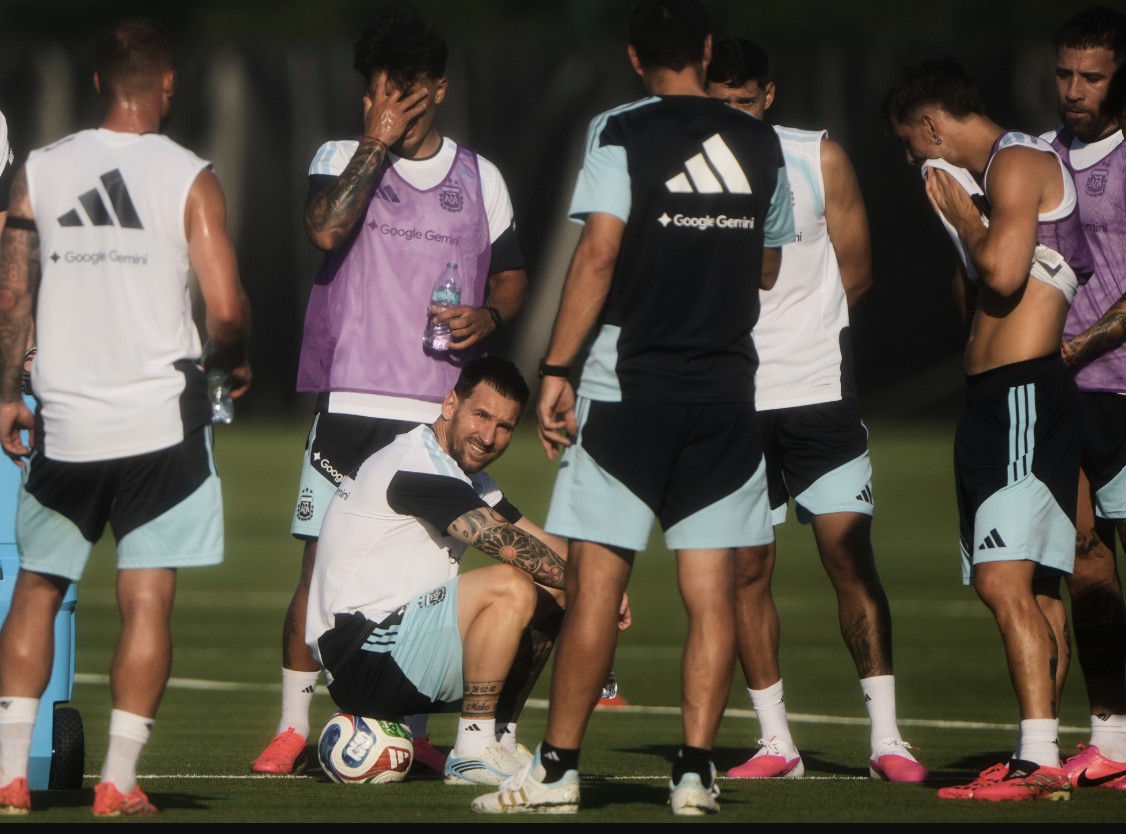
The world’s most famous soccer player, Lionel Messi—of Inter Miami—will represent the cup holder, Argentina, at his sixth World Cup and will turn 39 during the tournament.
Messi needs to score four more goals to overtake the all-time World Cup record holder, Germany’s Miroslav Klose, who scored 16 during four tournaments between 2002 and 2014.
Messi’s old rival, Cristiano Ronaldo, who is 41, is on the Portugal squad, while the Croatians will have another veteran, 40-year-old Luka Modrić, who was Ronaldo’s teammate at Real Madrid.
But there is a much younger generation of stars to look out for, starting with Barcelona’s 18-year-old wonderkid, Lamine Yamal, who represents Spain, and Arda Guler, the Turkish star of Real Madrid’s midfield.
Then there is the Manchester City duo, the exciting striker Antoine Semenyo, who represents Ghana, and goal machine Erling Haaland, who plays for Norway.
3. How Many Foreign Fans Will Be in US?
FIFA and the World Trade Organization expect a total attendance of 6.5 million for the 104 World Cup matches, with about 40 percent of those attending traveling from outside the host countries.
Brazil, Argentina, Germany, and England are expected to bring large numbers of fans, and the 10,000-strong “Tartan Army” will back Scotland—which has qualified for its first World Cup since 1998—for two group games in Boston and one in Miami.
Five of the nations competing in the World Cup—Iran, Haiti, Senegal, Côte d’Ivoire, and Congo—will not be able to send any fans to the United States because they are on a list of countries whose visa applications have been paused.
But when Haiti played Peru in a friendly match in Miami on June 5, the stadium was packed with Haitian Americans supporting “Les Grenadiers.”
4. What About Security?
The World Cup will present a major security challenge for the United States because of the unprecedented scale of the event, experts told The Epoch Times in December 2025.
“This is the first time they’ve run the event at this scale,” Cliff Stott, a professor of social psychology at Keele University in the UK and an expert on crowd behavior and public order, told The Epoch Times.
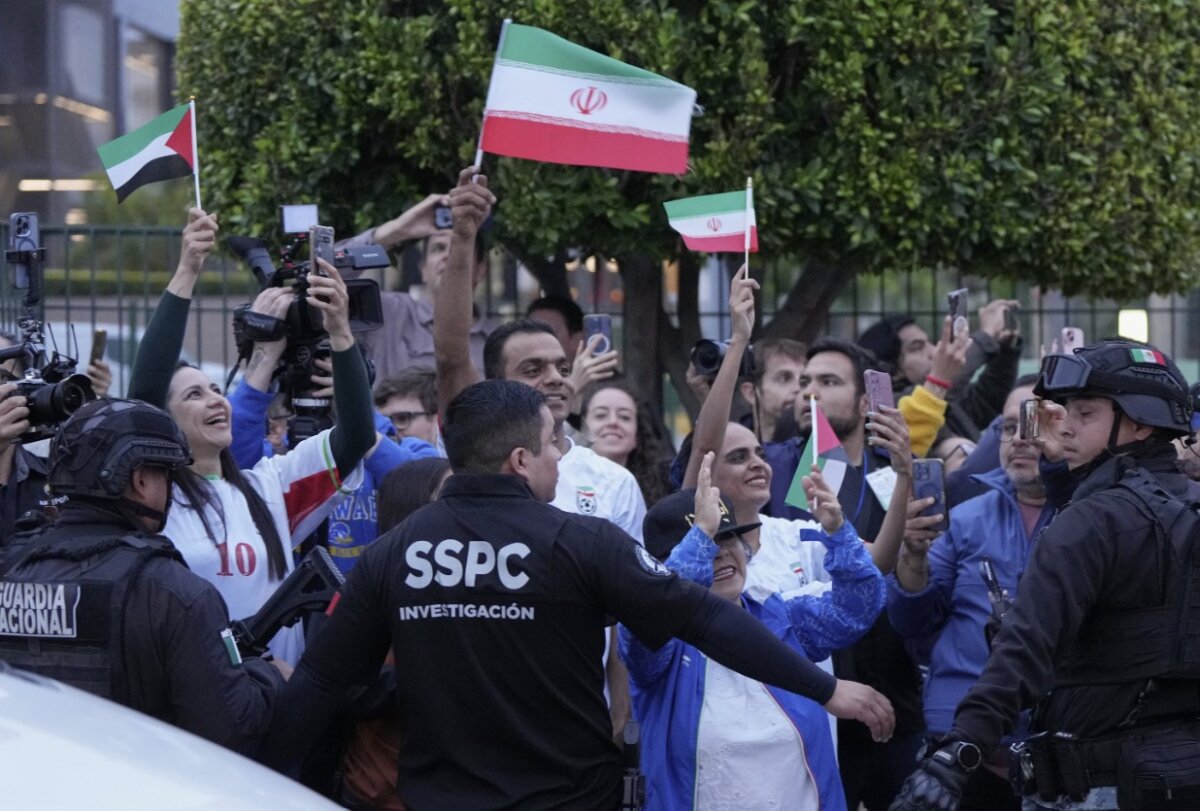
Iran’s three group games are all in the United States, but last month, Mexico announced that the Iranian team would be based south of the border and would fly back to its camp as soon as its games are over.
“The United States doesn’t want the Iranian national team to stay overnight in the United States,” Mexican President Claudia Sheinbaum told reporters on May 25.
There is always a terrorist threat at any major sporting event, and security will be tight, especially in the United States, where authorities will seek to prevent a repeat of the Centennial Park bombing at the Olympics in Atlanta in 1996, which was carried out by extremist Eric Rudolph.
5. Where Will the Teams Be Training?
On May 25, FIFA published a full list of all the training camps for the 48 teams competing in the tournament.
Iran is one of seven teams that will be based in Mexico, two nations—Canada and Panama—will be based in Canada, and the remaining 39 teams will have training camps in the United States.
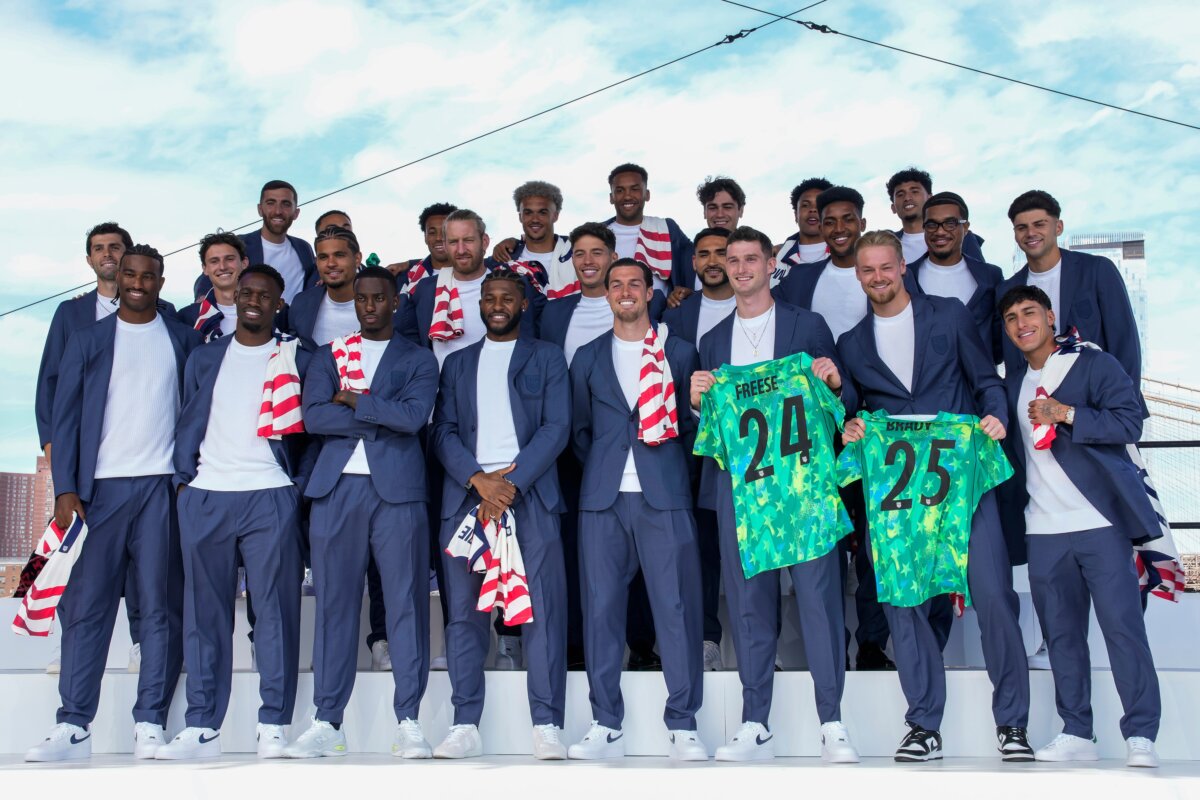
The U.S. team arrived at its base in Irvine, California, on June 8. All three of their games are on the West Coast.
England’s training camp is in Kansas City, Missouri. On June 6, there was widespread coverage of an incident in which nine people were injured during a shooting near the camp. Local media said the shooting took place outside an unlicensed party, and there is no suggestion it was linked to the World Cup.
6. How Much Are Tickets?
There has been considerable controversy over the ticket prices for the games and the overall cost of traveling to and from matches.
In April, The Epoch Times reported that the cost of tickets for first-round games ranges from $280 to $43,000.
Stadium daily parking passes range from $150 to $600, and some cities are also charging up to $100 for public transportation shuttles.
Dean Foti, a coaching director for a regional youth soccer organization in upstate New York, said many families who had hoped to visit games were very disappointed.
“Unfortunately, the common fan has been priced out of attending,” Foti told The Epoch Times.
Last month, prosecutors in New York and New Jersey launched investigations after complaints that FIFA had misled fans about the locations of the seats they were buying.
The mayor of Toronto, Olivia Chow, was criticized after reselling tickets the city purchased to corporate sponsors for a profit. But she defended the decision in a June 8 interview with City News and denied that it was done out of “greed.”
“Not one penny of the city hosting FIFA World Cup comes from taxpayers,” Chow said. “It’s from levying the hotel and these corporate sponsorships through the ticket sale, so the taxpayers don’t have to pay a dime.”
7. Ads on Social Media
Mike Ford, CEO of Skydeo, a company that uses data to help companies with marketing, told The Epoch Times via email that the World Cup attracts millions of eyeballs, and that interest in the United States is also growing.
“The reality is that soccer is the number one team sport for women in the U.S.,” Ford said.
“But in the last 20 to 30 years, there has been a massive increase [among males] in youth sport soccer.”
Ford said U.S. advertisers would aim at several different audiences during the World Cup, including locals in the host countries, affluent foreign travelers who have come for the tournament, those watching games on live-streaming platforms, and those interested in betting.
Ford noted that American Eagle had announced an endorsement deal with Yamal, and he said he expected several other firms to link up with other soccer players during or after the tournament.
He said much of the World Cup advertising will be focused on social media.
“It’s not just one ad segment,” Ford said. “It’s not just TV, it’s multiple networks and different time zones. For American brands, it’s a five-week effort, not just a one-day event.
“The brands that will win this World Cup aren’t necessarily the biggest spenders. They’re the ones who showed up with the sharpest audience intelligence.”
8. Betting Will Be Huge
In 2018, the U.S. Supreme Court struck down the Professional and Amateur Sports Protection Act, which had imposed a federal ban on sports betting nationwide.
Bjorn said that since the Professional and Amateur Sports Protection Act was repealed, there are about 40 states that have legalized sports betting, and he said that this has driven a boom in the gambling industry in the United States.
He said the 2026 World Cup will be the largest global sports betting event in history.
“Not only can you bet single games, but there [are] also 400 individual markets on those individual games,” Bjorn said.
This means that people can bet on how many corners, throw-ins, or yellow cards there are during matches.
But he pointed out that in New Jersey, where the World Cup final will be played, you need a Social Security number to wager.
“So that means all the tourists, all the outsiders coming in, generally won’t be able to bet in New Jersey on the final, unless they use [virtual private networks] or have friends or whatever do it back home,” he said.
9. Social Media Influencers
Expect social media influencers and YouTubers to be all over the World Cup, even those who have never previously given soccer a second thought.
In May, Argentinian influencer Valen Scarsini, who goes by El Scarso, created a challenge to make a previously unheard-of soccer player famous in the run-up to the World Cup.
He picked Tim Payne, an obscure defender with New Zealand, whose Instagram following soon went from 5,000 to 5 million.
It did not help Payne much when New Zealand was thrashed 4–0 by Haiti in a recent friendly.
10. When Can We Go Back to US Sports?
Ford said the World Cup is on during a fairly quiet period in U.S. sports.
“Baseball is mid-season, there’s no football, and they’re ending the basketball early,” Ford said.
The NBA Finals, in fact, overlap with the start of the World Cup, but the sixth and seventh games of the NBA Finals, if necessary, will take place on June 16 and June 19, respectively, long before the end of the tournament’s group stage.
The World Cup final takes place at MetLife Stadium in East Rutherford, New Jersey, on July 19.
After that, sports fans in the United States can return to following their traditional sports and no longer have to worry about the vagaries of video assistant referee or advanced semiautomated offside technology, which is being used for the first time in this World Cup.
Correction: A previous version of this article gave an incorrect date for Game 6 of the NBA Finals. The Epoch Times regrets the error.
 Friends Read Free
Copy
Facebook
Tweet
Friends Read Free
Copy
Facebook
Tweet