
One of the biggest questions looming over Major League Baseball is what will follow when the collective bargaining agreement with the MLB’s Players’ Association ends on Dec. 1?
Time has a way of slipping by. One month from Sunday’s scheduled games, the 2026 MLB season is in the books. The postseason begins Sept. 29, and Game 1 of the World Series is Oct. 23. The fifth day after the World Series ends, the free agency season officially begins.
At that time, team owners and the group representing the players will need to hash out a new contract between them. When reviewing previous work stoppages from baseball’s past, the anticipated negotiations process between the two sides could extend beyond the traditional day of the opening of spring training or even Opening Day of the 2027 season in late March.
Two of MLB’s longest and most memorable strikes or lockouts came in 1994 and 1981. On Aug. 12, 1994, MLB shut down operations, canceling the World Series for the first time, and lasting 232 days—coming to an end on April 2, 1995. The 1981 season, referred to by many as the “split season,” began on June 12 and ended July 31. The 50-day strike resulted in the cancellation of 712 regular season games. In advance of the stoppage, MLB team owners had purchased a $50 million insurance policy through Lloyds of London. When the dispute was resolved, winners of each half season in each division qualified for the postseason.
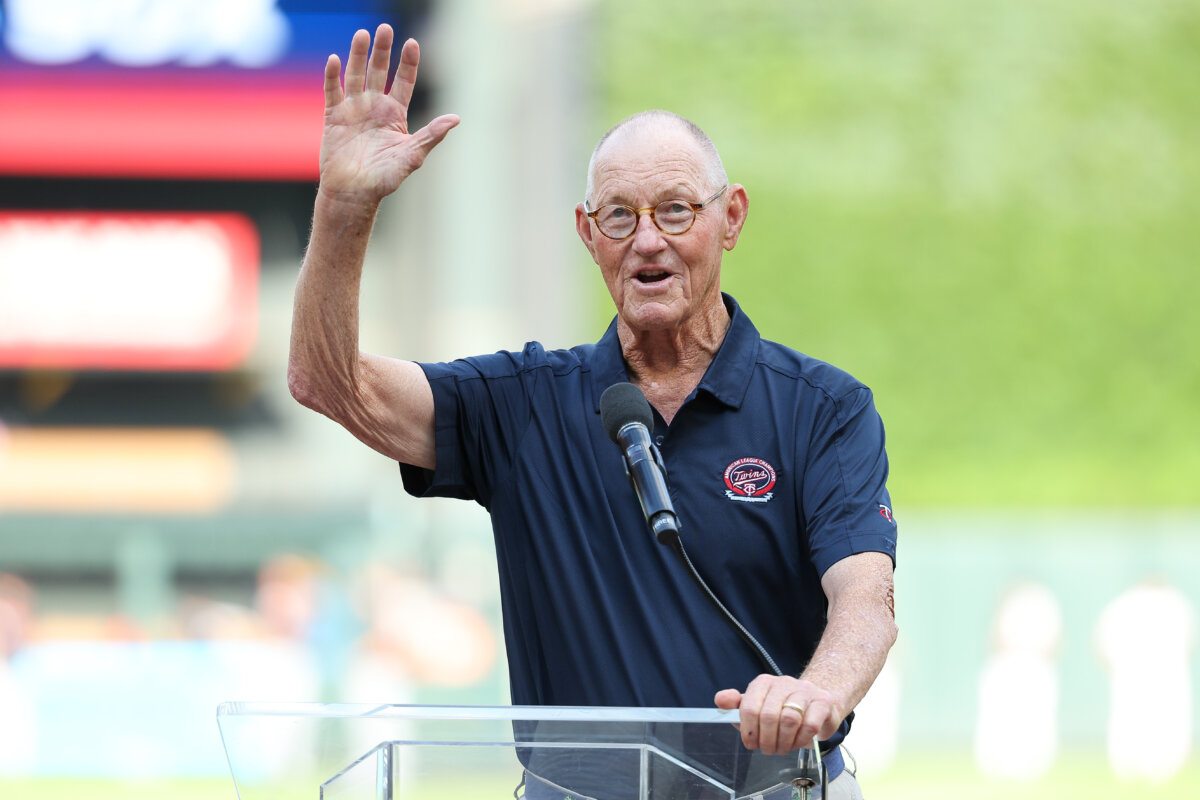
Baseball Hall of Famer Jim Kaat, 87, experienced MLB’s 50-day strike firsthand as a pitcher for the St. Louis Cardinals.
“I lost a lot of money,” Kaat told The Epoch Times on Wednesday. “I was making $150,000 that season, and I appealed to [then MLB commissioner] Bowie Kuhn in the best interest of baseball to end the strike. The players were never going to give in, and I wasn’t going to recoup the money I lost because of my age (42). Back in 1981, the owners wanted to get rid of free agency; now they want to crack the union.”
While Marvin Miller, then Major League Baseball Players Association (MLBPA) executive director, was negotiating with Ray Grebey, the owners’ chief labor negotiator, Kaat and about 10 of his Cardinals teammates stayed in the St. Louis area working out daily at Washington University. While some teammates left the area for their offseason homes, Kaat remembers team union representative and fellow pitcher Bob Forsch keeping everyone updated on how negotiations were proceeding.
Kaat refers to a speech he witnessed in Cooperstown last month, when MLB Commissioner Rob Manfred addressed a collection of Hall of Famers, discussing how owners are equipped for a strike.
“[Manfred] gave us a state of the union speech on baseball. They [MLB] are looking for a floor and a ceiling [cap] with payrolls. This would force smaller market teams to spend more on players. I think this year more than ever both sides will dig their feet in on what they are hoping to accomplish. Salary cap is a bad word among the players. This time around, I don’t think the public will be on the players’ side.”
When the 1981 strike ended, the Cardinals reported to their Florida spring training hub in St. Petersburg for an abbreviated getting-into-game-shape workout session.
“We had four or five days to report to camp, then there were a couple of inter-squad games with the Kansas City Royals. It was business as usual quickly. It was all good when the players returned, with the coaches and management. The players’ relationship with management has always been a bit fuzzy.”
The experience Kaat and his MLB brethren of 45 years ago seems to be the path on which the 2026 players are headed. Although the first bargaining session between the MLBPA and the owners took place on May 12, there was no reason given to provide optimism that a lockout will be avoided in December.
Striving for competitive balance among all 30 MLB clubs, scout and player development, along with transactions completed by general managers, doesn’t seem to be making a difference with “small market” clubs. With the NHL, NBA, and NFL all adhering to a salary cap, fan bases in these sports find it easier to believe that their home team, regardless of market size, has an equal opportunity to compete. This is what MLB leadership hopes to duplicate starting with the 2027 season.
“If not for Marvin Miller, I believe that the union would have folded,” says Kaat, who played for six clubs in 25 MLB seasons.
This time around it’s Bruce Meyer, the MLBPA Interim executive director, who will face off with Manfred and his team of negotiators to hopefully avoid any interruption of spring training camps opening on time in February, and the regular season starting as planned. The longer any dispute lasts between ownership and players beyond Dec. 1 and before camps are scheduled to open in six months, the ones losing out would be the fans, the stadium workers, and the municipalities who depend on revenues from ball games to help fund necessary community programs.
Economics and professional athletes don’t always mix well, but in MLB and its fanbase, for now and the future, hopefully they can combine their efforts to jell better than oil and water, as an early Christmas present for all.
 Friends Read Free
Copy
Facebook
Tweet
Friends Read Free
Copy
Facebook
Tweet