
Two more universities have declined to sign President Donald Trump’s Compact for Academic Excellence in Higher Education, bringing the total number of nays to four, with five schools still undecided.
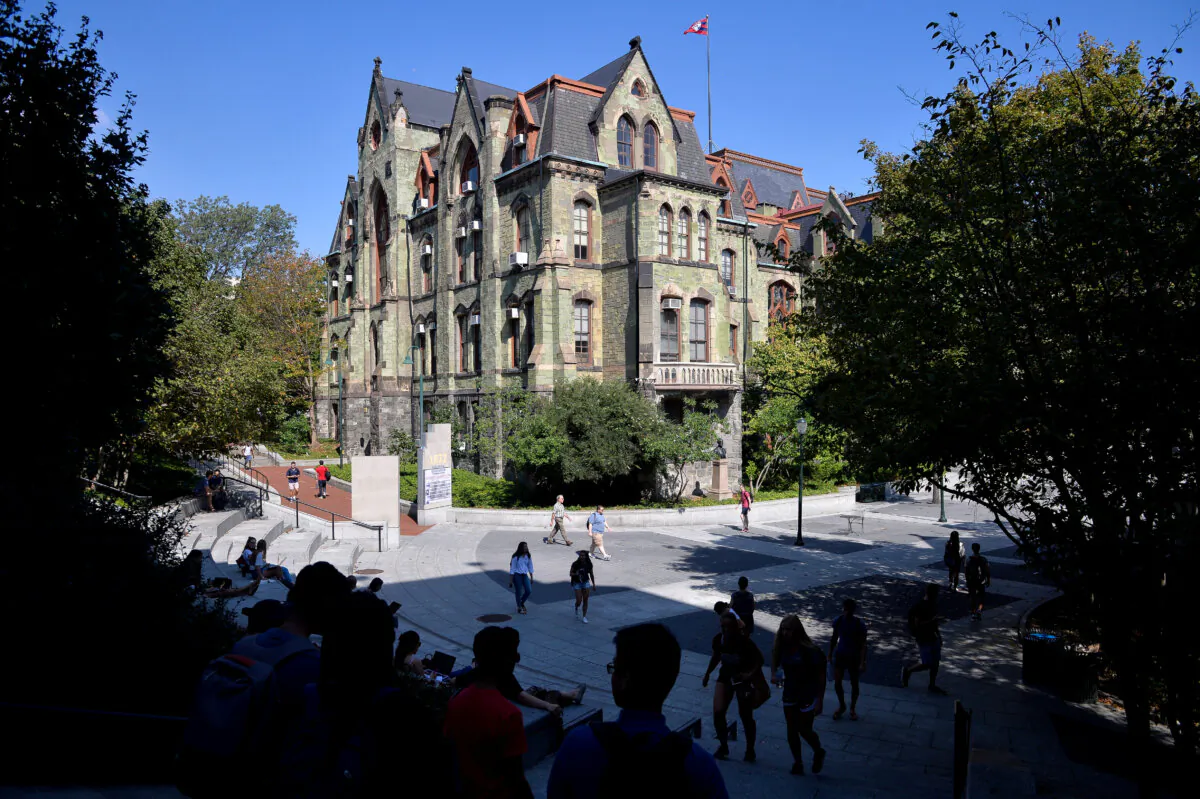
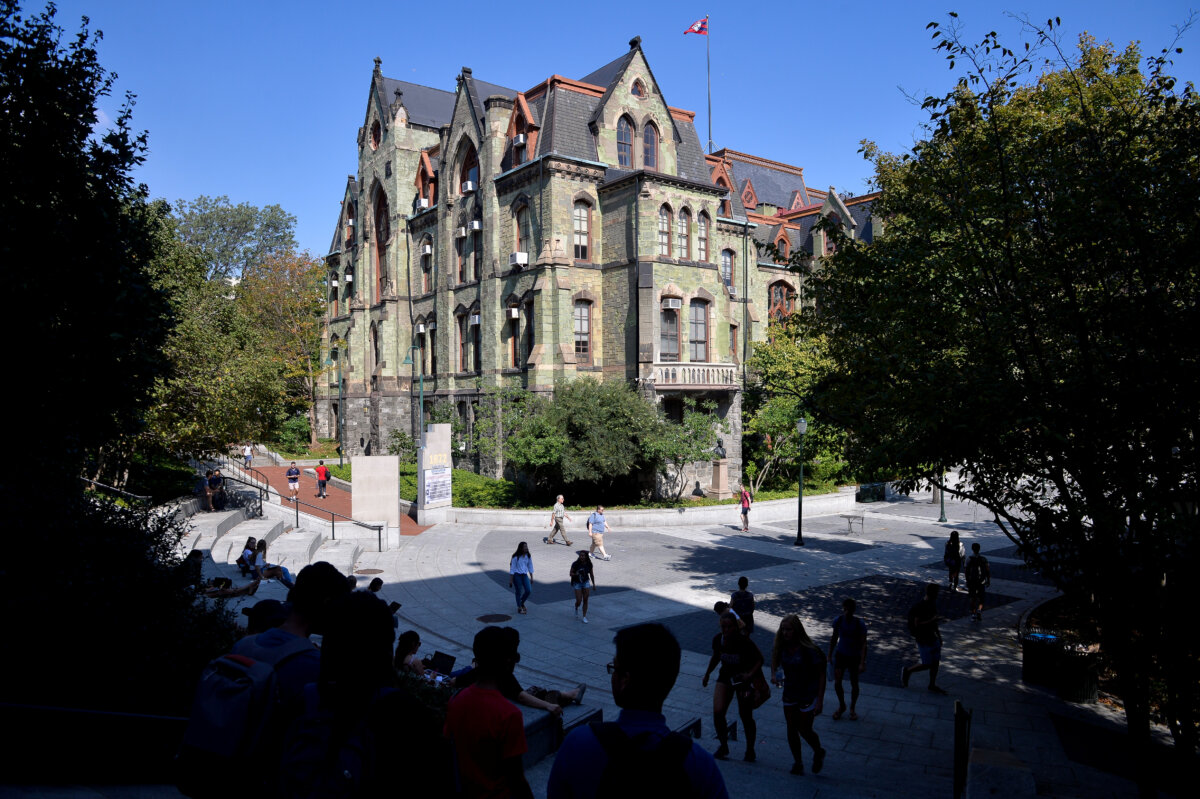
In an Oct. 16 announcement posted on the University of Pennsylvania’s website, the school’s president, President J. Larry Jameson, said after weighing input from faculty, staff, trustees, alumni, and others “who care deeply about Penn,” he told the federal government, thanks, but no thanks.
“At Penn, we are committed to merit-based achievement and accountability,” Jameson’s statement said.
“The long-standing partnership between American higher education and the federal government has greatly benefited society and our nation. Shared goals and investment in talent and ideas will turn possibility into progress.”
University of Southern California interim President Beong-Soo Kim—in an email to the campus community containing his response to the federal government reported by student newspaper Daily Trojan and various national media outlets on Oct. 17—said agreeing to Trump’s conditions would infringe on the university’s independence and freedom for civil discourse across all political ideologies.
“Without an environment where students and faculty can freely debate a broad range of ideas and viewpoints, we could not produce outstanding research, teach our students to think critically, or instill the civic values needed for our democracy to flourish,” Kim said, according to the Daily Trojan.
The Epoch Times has reached out to the University of Southern California for comment.
Leaders from Brown University and Massachusetts Institute of Technology previously declined the offer, also noting their interests in preserving institutional independence and freedom of expression.
The compact offers financial incentives such as preferred consideration for federal grants and flexibility in research overhead costs if the school promises to follow certain guidelines.
These include eliminating preferential treatment by race, requiring SAT scores in student applications, limiting undergraduate admission of foreign students to 15 percent, maintaining a policy of institutional neutrality on political and social issues, and accepting all transfer credits from military members and veterans.
Dartmouth, Vanderbilt, the University of Arizona (Tucson), the University of Texas (Austin campus), and the University of Virginia (Charlottesville campus) are still considering the offer.
The compact offer was made on Oct. 1, according to the universities that received it, but the Trump administration did not announce it or confirm it.
“To advance the national interest arising out of this unique relationship, this Compact for Academic Excellence in Higher Education represents the priorities of the U.S. government in its engagements with universities that benefit from the relationship,” said Trump’s memo provided with the compact offer.
The Tucson City Council on Oct. 8 passed a unanimous resolution calling on its local university leaders to reject the offer.
Department of Higher Education communications personnel are currently on furlough due to the government shutdown and are unable to respond to media inquiries regarding this matter.
The American Association of University Professors union, which regularly criticizes Trump’s higher education reform measures, organized an Oct. 17 “National Teach-In” rally to reaffirm opposition to the compact.
“The Trump compact is not just wrong—like many of the Trump administration’s attacks, it is unconstitutional. It violates the First Amendment by forcing universities to surrender their right of free speech and academic freedom in exchange for federal funds,” the association said in a statement on its website.
 Friends Read Free
Copy
Facebook
Tweet
Friends Read Free
Copy
Facebook
Tweet