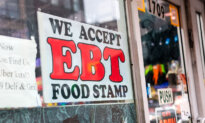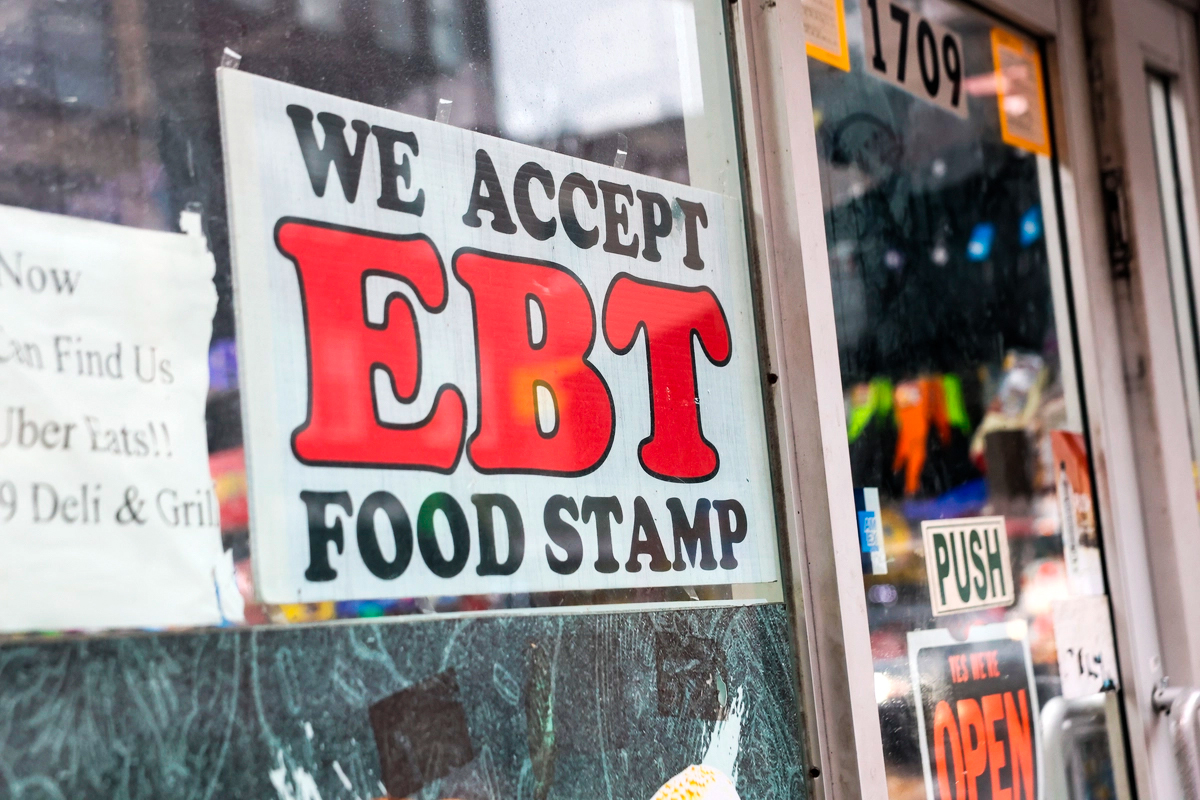

More states have imposed new restrictions on food stamps, part of the Make America Healthy Again movement promoted by Health Secretary Robert F. Kennedy Jr. and other officials.
Louisiana, Idaho, and Oklahoma have started limiting food stamp purchases.
In Louisiana, as of Feb. 18, money from the federally funded Supplemental Nutrition Assistance Program (SNAP), also known as food stamps, can no longer be used to buy candy, soft drinks such as soda, or energy drinks. “Candy” is defined as “a preparation of sugar, honey, or other natural or artificial sweeteners combined with chocolate, fruits, nuts or other ingredients or flavorings in the form of confections, bars, drops, or pieces.”
Idaho’s restrictions, which took effect on Feb. 15, prohibit the use of SNAP funds to purchase candy or soda, defined as “any non-alcoholic beverage that contains natural or artificial sweeteners.”
That same day, Oklahoma implemented a prohibition on using money from SNAP to buy candy or any product marketed or sold as candy, such as taffy and licorice. Such funds also may not be used to buy soft drinks, beverages labeled soda, sports drinks, energy drinks, flavored water, or juices, unless they contain 100 percent juice.
SNAP serves about 42 million Americans per month on average. It is funded with taxpayer money and administered through a partnership between the federal and state governments.
Kennedy, Agriculture Secretary Brooke Rollins, and other federal officials have championed limiting what SNAP participants can buy, citing government data that showed that soft drinks were the top commodity bought by SNAP households.
“We cannot continue a system that forces taxpayers to fund programs that make people sick and then pay a second time to treat the illnesses those very programs help create,” Kennedy said in a statement in 2025.
The Center on Budget and Policy Priorities is among the opponents of the changes, saying in a 2025 blog post that “SNAP was built on the principle that families should have the freedom to choose what they eat” and that “these new restrictions undermine that foundation and ignore the complexity of real people’s dietary needs.”
States can ask the federal government to approve divergences from SNAP that enable the restrictions.
Rollins has approved such waivers for 18 states.
The first new restrictions went into effect on Jan. 1 in Indiana, Iowa, Nebraska, Utah, and West Virginia.
Texas and Virginia are poised to implement restrictions on April 1, followed by Florida on April 20 and Colorado on April 30.
Arkansas, Hawaii, Missouri, North Dakota, South Carolina, and Tennessee are slated to start restricting SNAP purchases later in the year.
 Friends Read Free
Copy
Facebook
Tweet
Friends Read Free
Copy
Facebook
Tweet