Anita was begging on the streets. Her mother had died, leaving the 12-year-old to fend for herself.
When her stepsister took her in, it seemed like a lifeline.
Instead, it was a trap. Anita’s life was not her own. Her stepsister forced her into sex work; by the time she was 14, she was answering calls for a sex hotline. Anita’s stepsister then prostituted her out to violent men.
She was rescued by the kindness of a stranger who saw her tears, snuck her out of a hotel, and got her to a shelter.
Today, Anita studies marketing and works as an activist against human trafficking. She has testified to its evil all over the world, even addressing the United Nations.
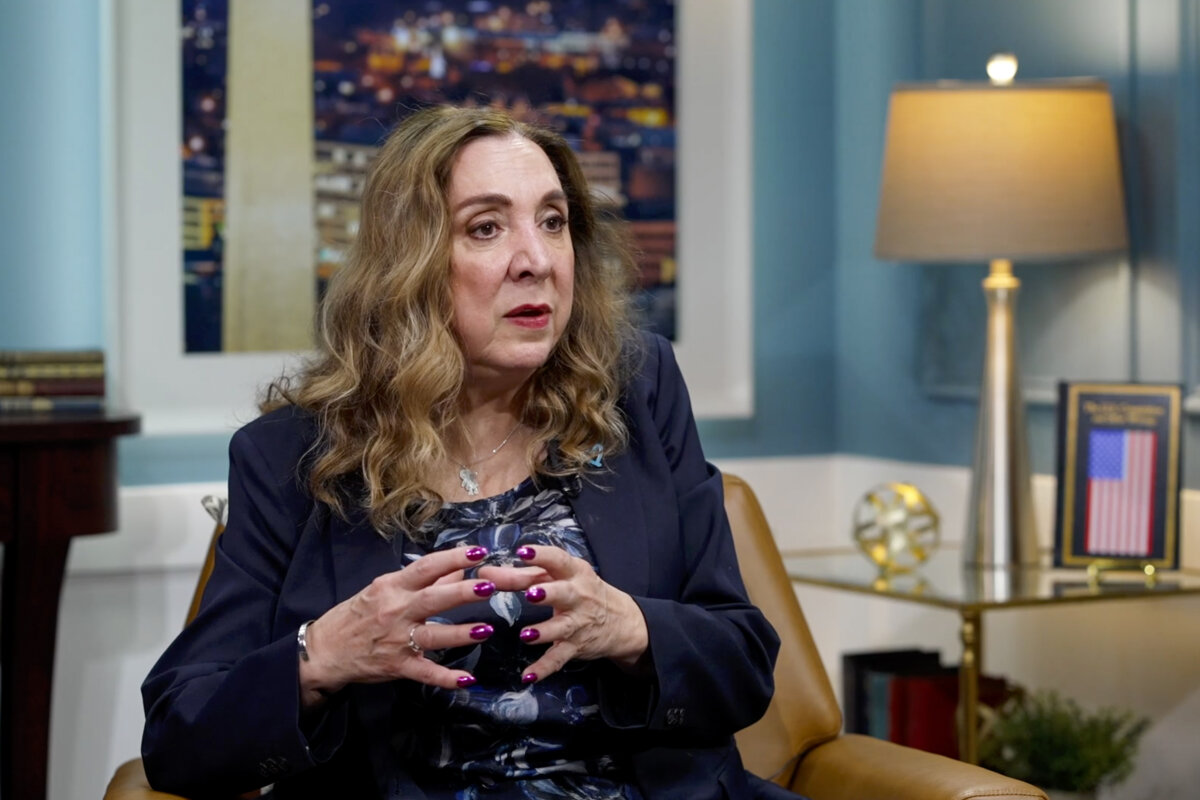
Rosi Orozco relates the tale sadly but serenely. She has seen scores of similar stories.
But her words brim with emotion when she says of Anita, “I’m very proud of her.”
Orozco is a human rights activist and former Mexican congresswoman whose work for trafficking victims spans two decades. Working to give a voice to victims, Orozco has interviewed more than 170 people affected by this violent crime.
She has worked on numerous government projects to push back against the industry, including powerful anti-trafficking legislation. Through advocacy and shelter work, she has helped hundreds of girls to rebuild their lives after being trafficked. Retired from her role as legislator, nonetheless she continues to advocate and speak out against human trafficking.
‘Dirty Money’
After a decade working with victims of domestic abuse, in 2005 Orozco turned her efforts to fighting human trafficking. In 2007, she opened her first shelter, a safe house in Mexico City known as Camino a Casa.
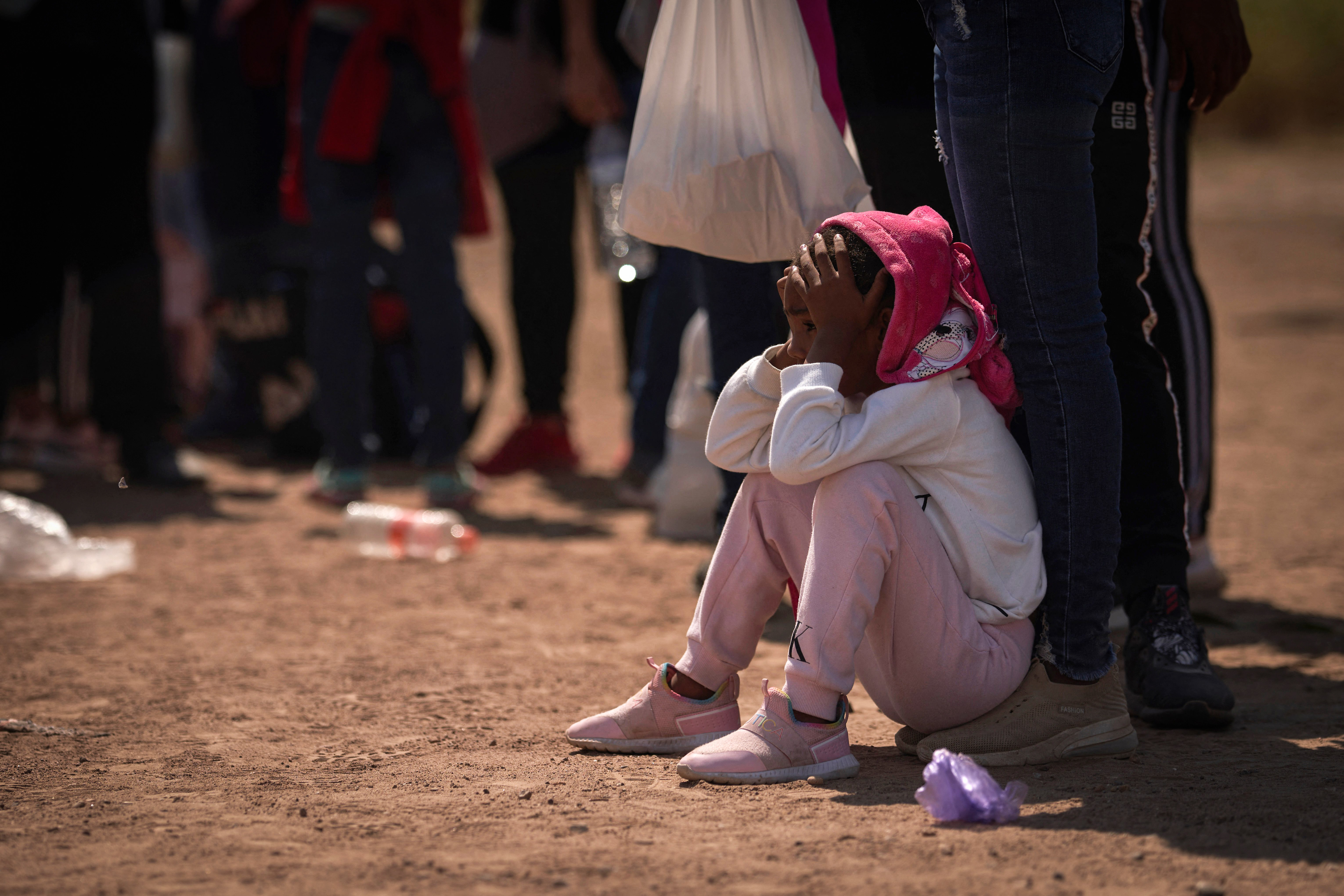
Orozco describes human trafficking as a multi-million-dollar “dirty money” industry. She is particularly concerned about the smuggling of children across the U.S.–Mexico border.
In 2023, Orozco traveled to the United States–Mexico border with Sens. Marsha Blackburn (R-Tn.), Cindy Hyde-Smith (R-Miss.) and Katie Britt (R-Ala.). The women saw that smugglers—also known as coyotes—were bringing children into the United States, and that law enforcement appeared helpless to do anything about it.
“They were crossing with coyotes, children without any parents, and the police and the guards and the Border Patrol couldn’t do anything because there was no control at all in the borders,” Orozco said in an interview with EpochTV’s “American Thought Leaders” last month.
During that time, the Biden administration directed Border Patrol agents to catch and quickly release large groups of illegal immigrants, which meant that trafficking often went undetected.
Children have been used by smugglers, who “rent” them to adults crossing the border, so they are processed as a “family” and receive expedited processing by Border Patrol and released into the country. An estimated 60 percent of children who cross the border alone or with smugglers are forced into child pornography or drug trafficking, according to a 2022 report from the Texas Public Policy Foundation.
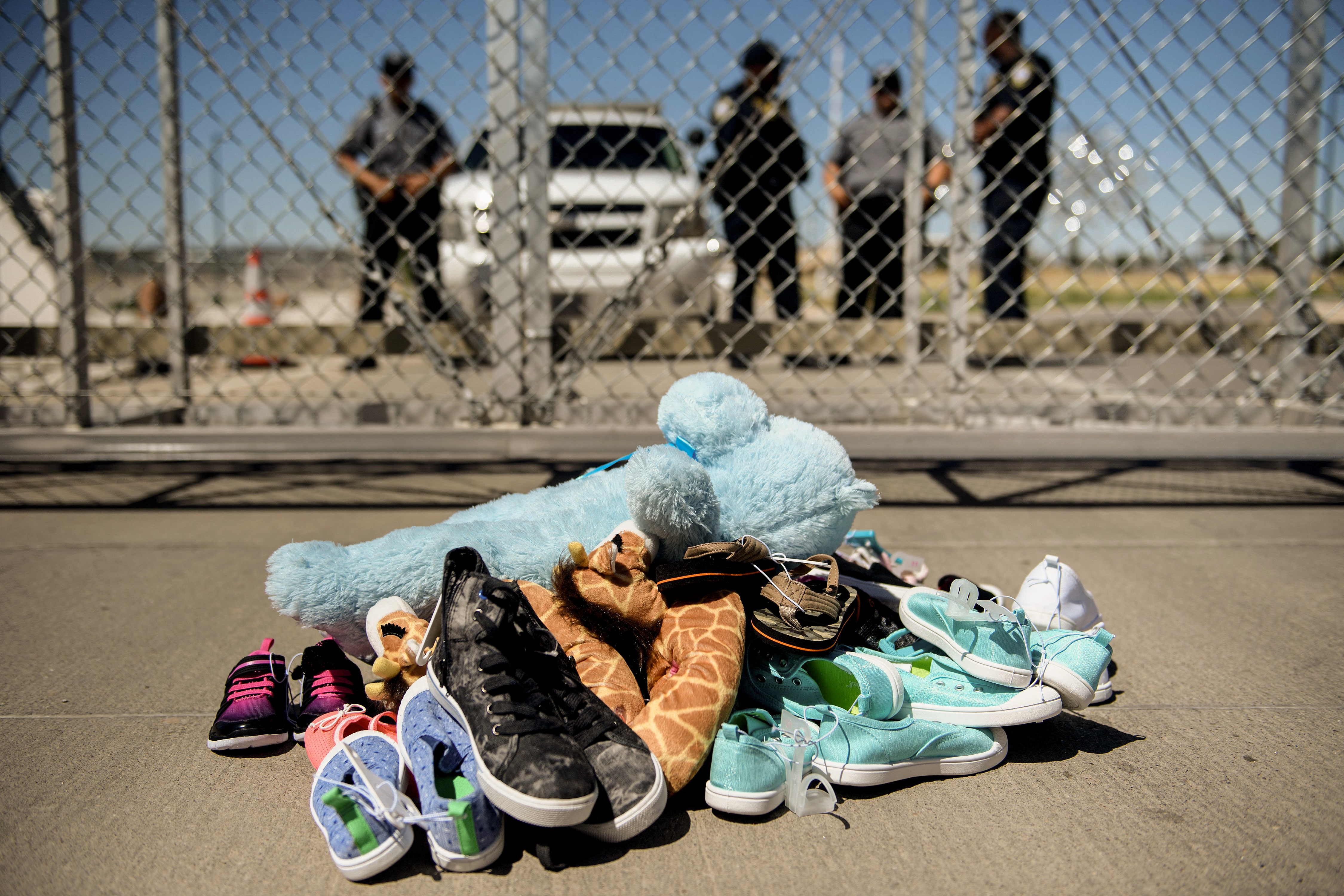
Children brought to the United States are often seen as simply passengers of migrants who come to America for a better life, but Oroczo described a very different situation. In many cases, she said—possibly hundreds of thousands of cases—there are families in Mexico who are fervently hoping their children are brought home.
“When you see the pain of the families who [have] lost their children, and then you see the border … they are suffering,” Oroczo said.
“They are suffering either forced labor or sexual exploitation, and that’s really a nightmare that you cannot imagine.”
“They are expecting the children to come back,” she said.
“When I have talked to the mothers whose [daughters have] disappeared, they said, ‘I sleep without wanting to sleep; I eat without being [hungry], and I live without life. Because to see the empty chair, to see the empty bed every day …”
Parents will spend all the money they have to try to find their children, she said.
The problem isn’t limited to Mexico. Statistics from the United Nations’ International Labour Organization indicate that almost 30 million people are enslaved worldwide. And Oroczo believes that the problem might be much bigger than that, due to a lack of reporting. [source]
Many minors are lured to foreign destinations by criminal organizations and then trapped in forced labor, drug dealing, or prostitution, Orozco said.

A Personal Fight
Those who lead the fight to stop human trafficking are often people for whom the effort is intensely personal, Orozco said.
One activist’s child was gone for 17 days and then recovered. Another’s daughter was burned to death; she now heads a non-governmental organization that has helped dozens of people touched by trafficking.
Human traffickers prey on the very vulnerable, she said.
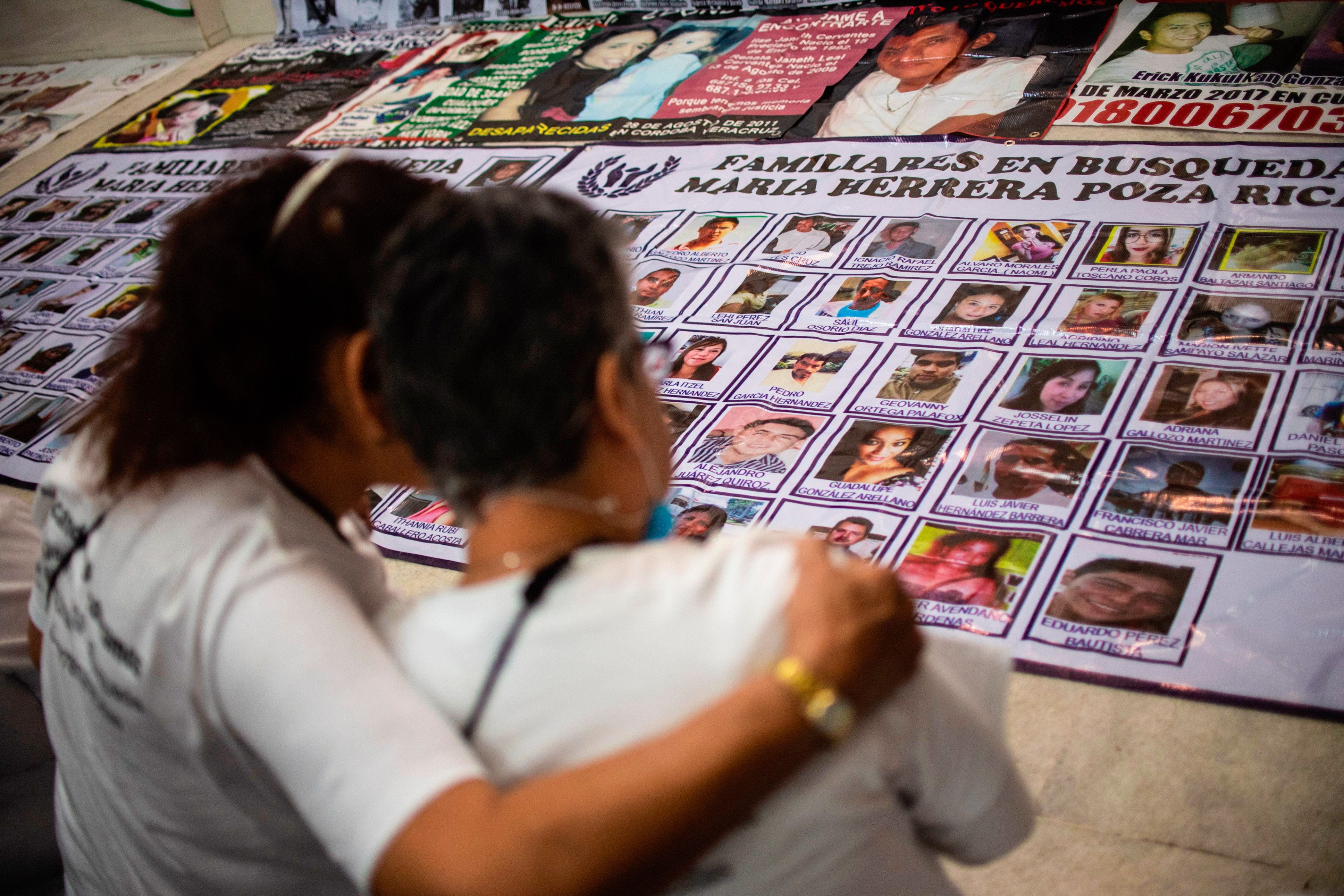
Orozco told the story of a mother who didn’t even have a phone to make calls to look for her missing daughter, and couldn’t afford to travel to look for her. After her child’s disappearance, she had just enough money to print out 12 photos of her daughter.
“People who take advantage of the vulnerability of all these poor families … are the most disgusting creatures in the world,” Oroczo said.
Criminal organizations use violence to control their victims, Orozco said. One means of control is to force them to commit violence against others. “They will be forced to kill somebody,” she recounted.
The horrific practice leaves the young killers robot-like, without their identity and without their humanity, she said.
However, supply and demand dictate that the entire industry rides on the back of the consumers, and Oroczo blames them equally: “Somebody that is watching porn … or having sex with children, it really is not only hurting that child, but the whole family [that] is waiting for that child to come back home.”
Orozco recounted one case that started with an ad targeting young girls that promised good pay for work in the tourism industry. One of the victims was 14 years old. Along with her 15 and 17-year-old friends, she was captured because she was vulnerable, Orozco said. Traffickers knew that the girls’ families would not protect them.
Authorities in Mexico and the United States work to rescue minors who have been trafficked, but the work is dangerous. Those who work in shelters to aid human trafficking victims also put themselves in danger. Children who have been trained to deal drugs or sell their bodies for profit are valuable to cartels and mafias and these criminal groups won’t let their victims go without a fight.
Working Through Laws
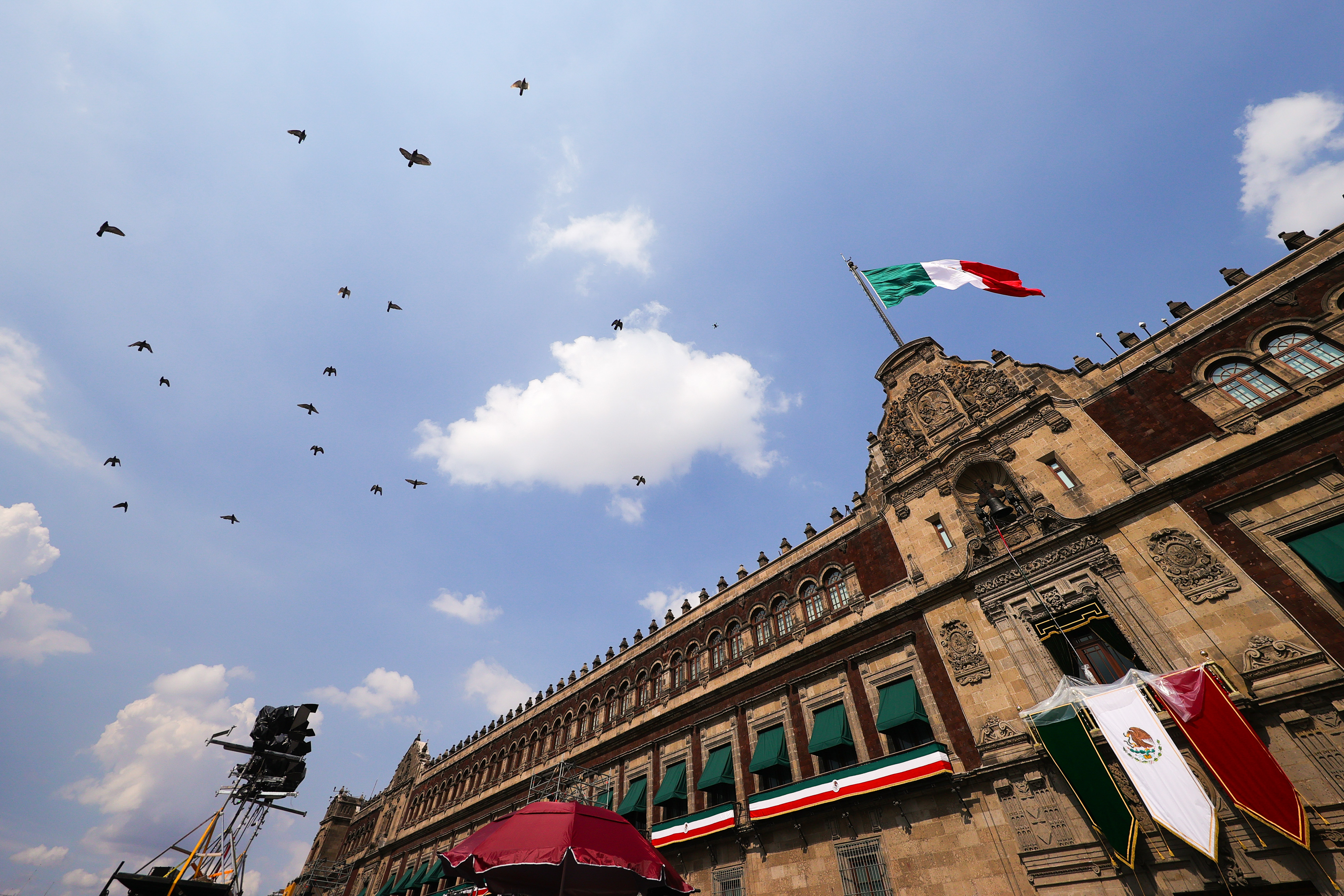
Corruption within governments, such as the Mexican government, has also contributed to the issue. While there are strong anti-trafficking laws in several states, in order to cope with the problem, those states must enforce the laws, which they don’t always do.
Some Mexican states are applying the country’s anti-trafficking laws, Orozco said, resulting in the rescue of some victims. But many more have disappeared—disappearances in Mexico have surged during the past decade, with some 130,000 people officially registered as missing.
When the opportunity arose for Oroczo to run for Mexico’s congress, she campaigned by investing everything in a program against trafficking, making it her only issue. Although the odds were against her, she won her seat in 2009, without being affiliated with any party.
During her time in office, she served as president of the legislature’s Special Commission for the Fight Against Human Trafficking. She also garnered the unanimous support of Mexico’s congress to pass the country’s law against trafficking.
Mexico’s law focuses first on the victim, Orozco said. Under the law, she said, a trafficker will go to jail if prosecutors can prove he was earning money from the exploitation of his victims. But, if a victim comes forward to authorities with details of how he or she was exploited, violently coerced or deceived, “then the penalties will go much higher.”
After leaving congress in 2012, Orozco became a full-time activist, dedicated to protecting victims of trafficking and pushing for stronger laws. She’s president of the United Against Human Trafficking Commission, a non profit dedicated to abolishing human trafficking and helping victims. She has received numerous awards for her work.
Filling the Broken Pieces
Survivors like Anita who successfully rebuild their lives are much like broken pottery repaired by “kintsugi”, the former legislator said.
Masters of kintsugi, a Japanese art, repair shattered pottery with gold. The result is no longer broken, but more beautiful than before.
“They bring them together with gold, and that’s the way they have to fill those broken pieces in their lives,” she said.
Oroczo believes faith in God also plays a huge role in recovery for many trafficking survivors.
“When these girls find that they can restore their life, they can have a blank page, they can have these pieces together thanks to God, because in these shelters there is something very important, that is faith. And the girls become whole when they find that God created with a purpose.”
While faith is by no means a requirement, according to the activist, those who work with victims of trafficking try to be an example of love and to show their faith to those who are recovering from harm.
“We really believe Jesus is the one who gave their life for them … and that they can be restored as he resurrected,” Oroczo said.
“They can be resurrecting their lives for a better life, for a victorious life.”
There is a profound need for support, for shelter and resources for victims, the former lawmaker said. “We need more people that [do] not turn their faces to the side and decide to go to this fight to help the children here in the United States,” she said.
“It’s so sad, the selfishness,” Orozco said, noting the need for shelter beds in the United States. People ignore that need, instead placing too much importance on tokens of affluence, she said—”things that will not go with you when you die.”
 Friends Read Free
Copy
Facebook
Tweet
Friends Read Free
Copy
Facebook
Tweet