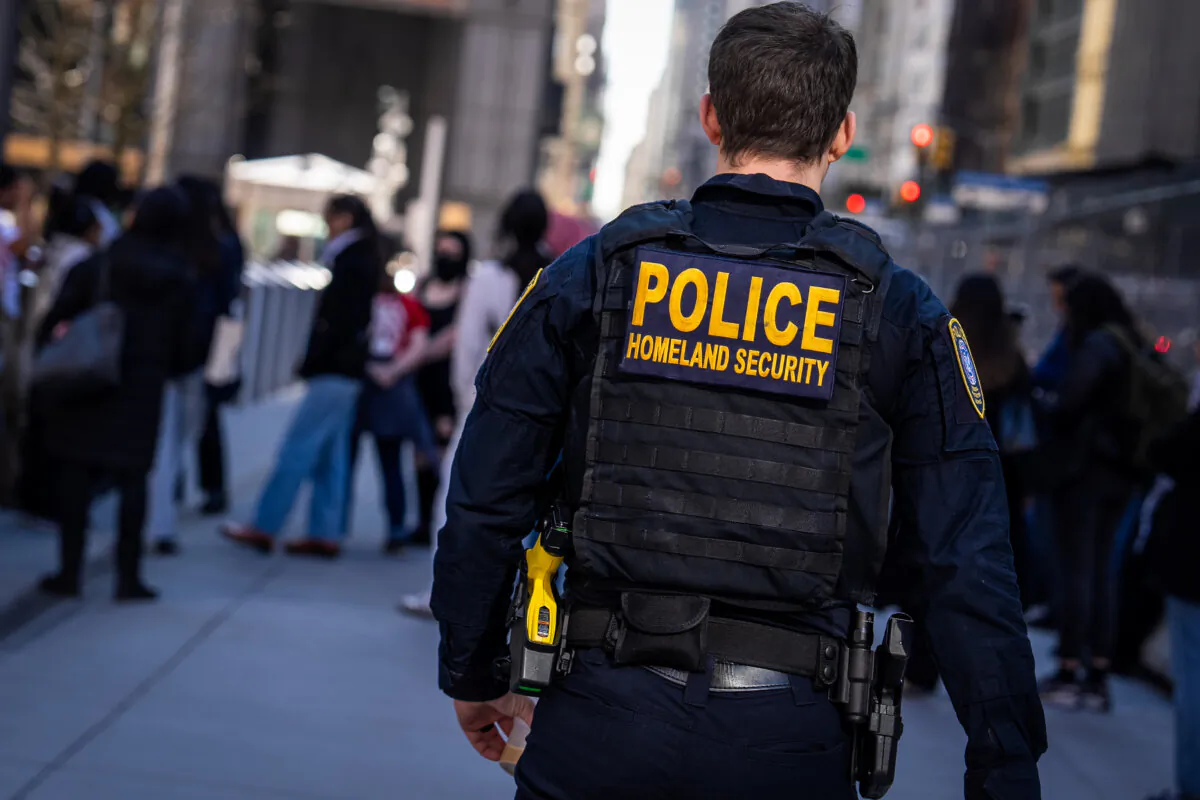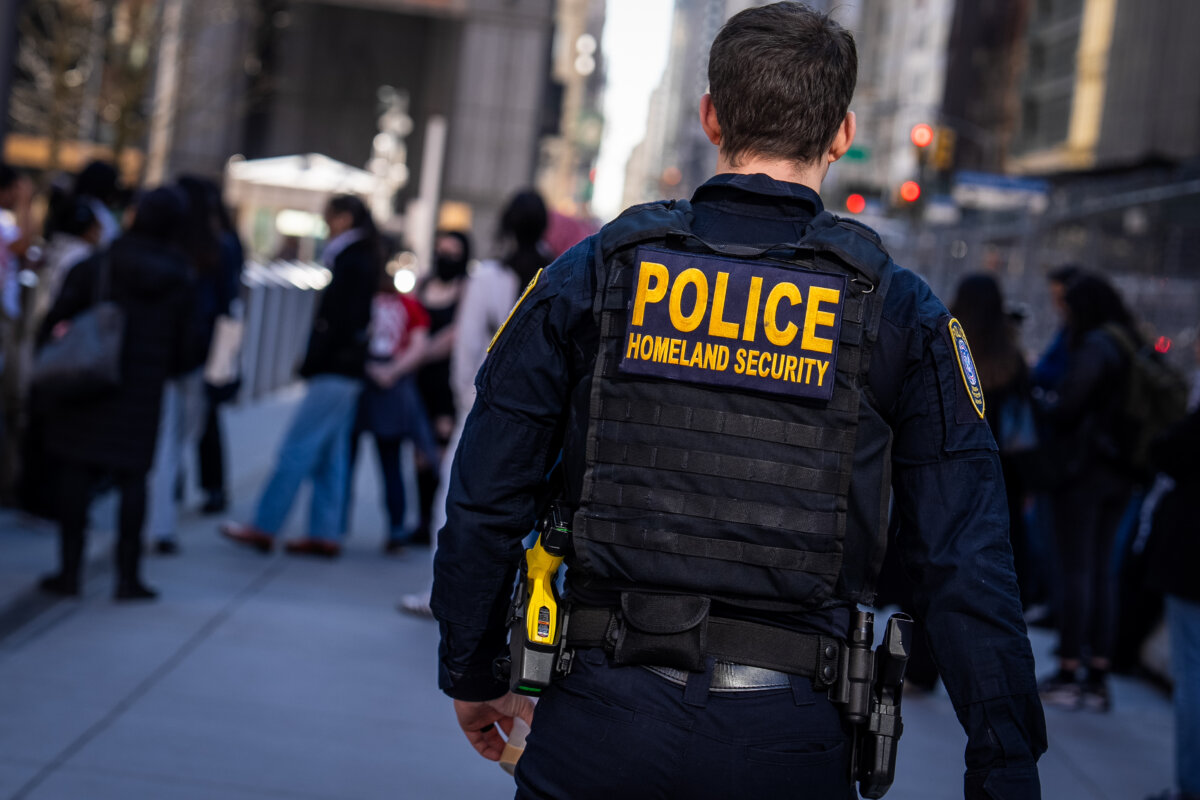

A federal appeals court on Sept. 12 cleared the Trump administration to move forward with terminating the temporary legal status for more than 400,000 immigrants from Cuba, Haiti, Nicaragua, and Venezuela.
The ruling by a three-judge panel of the First U.S. Circuit Court of Appeals in Boston vacated a district court order that had kept the Biden-era humanitarian parole for those groups in place. The judges acknowledged the hardships that parolees face once they lose the status but concluded that they were unlikely to succeed in their claims.
“We recognize the risks of irreparable harm persuasively laid out in the district court’s order: that parolees who lawfully arrived in this country were suddenly forced to choose between leaving in less than a month—a choice that potentially includes being separated from their families, communities, and lawful employment and returning to dangers in their home countries,” the judges wrote.
“But absent a strong showing of likelihood of success on the merits, the risk of such irreparable harms cannot, by itself, support a stay.”
The Cuba-Haiti-Nicaragua-Venezuela (CHNV) program, launched in January 2023, allowed up to 30,000 migrants per month from the four countries to come to the United States, generally for two years with work authorization. To qualify, applicants needed a U.S.-based financial sponsor and had to pass background and security screenings.
On his first day back in office, President Donald Trump signed an executive order ending the program, sparking a legal battle that reached the U.S. Supreme Court. In late May, the high court granted an emergency appeal by the Justice Department, sending the case back to the First Circuit while lifting the district court’s injunction.
Those suing to save the program, including beneficiaries and immigration advocacy groups, urged the appeals court to uphold the district court’s finding that Homeland Security Secretary Kristi Noem could not categorically end protections but instead had to evaluate each case individually.
Solicitor General D. John Sauer countered that the case-by-case limitation applies only when granting paroles, not rescinding them. Requiring individualized reviews to end parole, he said, would be a “gargantuan task” that would cripple immigration enforcement.
Sauer further argued that the Boston district court lacked authority to intervene in the first place. He noted that the Immigration and Nationality Act explicitly bars courts from reviewing decisions that the law places within the discretion of the Department of Homeland Security (DHS).
“The granting and terminating of parole are precisely such discretionary authorities,” Sauer wrote in his brief to the Supreme Court.
Advocacy groups called the Sept. 12 ruling a “devastating blow,” warning that it could also threaten other similarly structured humanitarian parole programs such as Uniting for Ukraine—which provides temporary refuge for Ukrainians displaced by the ongoing war with Russia—and Operation Allies Welcome, which admitted Afghans evacuated in the wake of the Taliban takeover.
“We remain firm in our belief that the Trump administration is needlessly and flagrantly flouting U.S. law, and we won’t let this setback keep us from fighting in the courts to pursue justice for our communities,” said Anwen Hughes, legal director of Human Rights First, co-counsel in the case.
The ruling is a victory for the Trump administration, which in June sent termination notices to CHNV enrollees informing them that their work authorizations and parole protections were immediately revoked.
“[The Biden Administration] allowed more than half a million poorly vetted aliens from Cuba, Haiti, Nicaragua, and Venezuela and their immediate family members to enter the United States through these disastrous parole programs; granted them opportunities to compete for American jobs and undercut American workers; forced career civil servants to promote the programs even when fraud was identified; and then blamed Republicans in Congress for the chaos that ensued and the crime that followed,” DHS spokeswoman Tricia McLaughlin said in a statement at that time.
“Ending the CHNV parole programs, as well as the paroles of those who exploited it, will be a necessary return to common-sense policies, a return to public safety, and a return to America First.”
 Friends Read Free
Copy
Facebook
Tweet
Friends Read Free
Copy
Facebook
Tweet