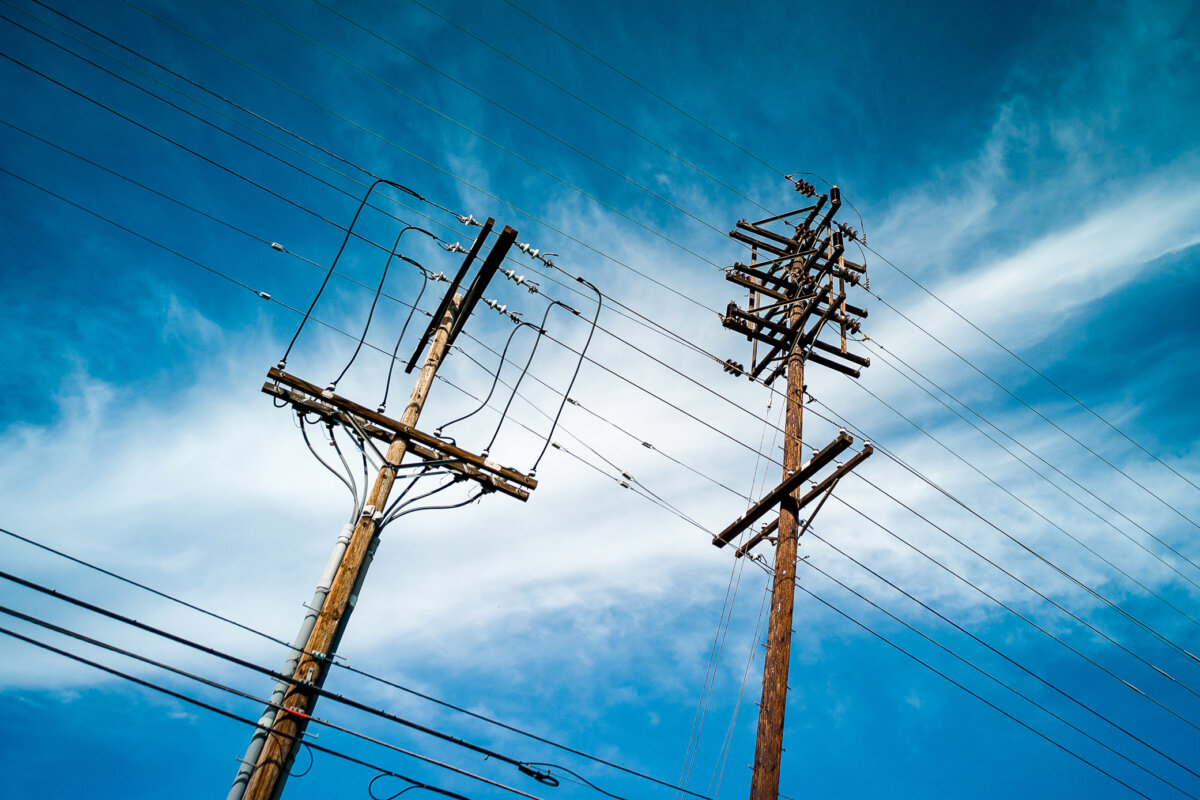

The regional grid operator for the central United States issued multiple warnings on July 20, citing potential rolling blackouts to western sectors amid record demand during the heat wave.
A Level 3 energy alert was issued just after 5 p.m. CT Monday evening, notifying users that the operator had to rely on some or all of its operating reserves to serve consumer demand after several power plants unexpectedly tripped offline during the heat wave stretching from North Dakota to Louisiana.
The operator, Southwest Power Pool (SPP), said its thin reserve margins meant an increased risk of outages but clarified it had not yet ordered any cutoffs to protect grid operations.
SPP, which services 17 U.S. states, reported later at 9:47 p.m. CT that the risks of outages had subsided and the grid stabilized, downgrading the Level 3 outage warning to a “conservative operations advisory.”
The advisory warned of a “potential increase in resource outages” due to forecasts of potential high peak loads and “potential low output from wind and other variable energy resources leading into peak hours.”
“Conservative Operations Advisories do not require the public to conserve energy, but are issued to raise awareness of potential threats to reliability among entities responsible for operating transmission and generation facilities,” the operator said.
According to the National Weather Service, extreme heat warnings were in effect for the afternoon and evening of July 21 for portions of Arkansas, Illinois, Indiana, Kansas, Kentucky, Mississippi, Missouri, Oklahoma, and Texas.
“Dangerously hot conditions with heat index values up to 115 expected,” the service said early Tuesday morning. “Heat related illnesses increase significantly during extreme heat and high humidity events.”
The strain on the central U.S. grid comes weeks after the nation’s largest grid operator, serving 67 million people on the East Coast, PJM Interconnection, said it had implemented emergency preparedness measures amid a heat wave in early July.
Electricity demand had also surged during the extreme weather to record levels across the 13-state territory the operator services.
The heat wave, which lasted through July 4, saw PJM Interconnection issue orders for customers to curtail their usage on Independence Day as power demand rose to a record 20-year high. The measures focus on industrial and residential users with contracts that compensate them for slashing consumption during emergencies.
The operator reported generator outages in the grid and overloaded transmission lines with surging air-conditioning demand.
It also issued alerts on July 15 warning again of strain on the power grid amid another heat wave that saw homes and businesses crank up their air conditioners.
Energy Secretary Chris Wright said the risk of blackouts over the summer was the result of years of government subsidies for intermittent sources of power generation that have resulted in a grid with “higher prices and no meaningful growth in electricity production.”
He said the Trump administration is working to turn that around by ending new wind and solar subsidies on July 4 with the Working Families Tax Cut.
“The Trump administration is reversing all of that. You will see an end to the rise in electricity prices and our pragmatic policies will keep the lights on and keep the air conditioners running this summer,” he said. “But it will be a massive challenge given 17 years of Democrat policies degrading the quality of our electric grid.”
Reuters contributed to this report.
 Friends Read Free
Copy
Facebook
Tweet
Friends Read Free
Copy
Facebook
Tweet