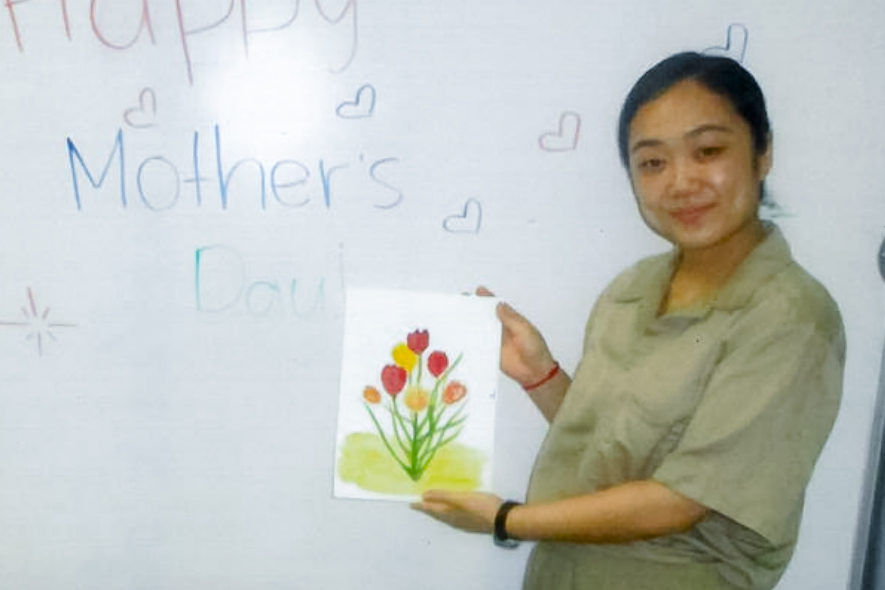


NEW YORK CITY—Yiyi Chen, a Chinese national who was convicted in February for her role in a conspiracy to import drugs from China to the United States, was given a 15-year sentence followed by three years of supervised release by District Court for the Southern District of New York Judge Paul Gardephe on Aug. 22.
During an hours-long hearing, the defense asked for 30 months, citing good behavior and Chen’s mother, who has cancer and lives in China. Prosecutors asked for 18 years, citing Chen’s lack of remorse and alleged perjury during the trial. Sentencing guidelines would have allowed for 27 years.
Prosecutors argued that Chen had intended to mislead jurors by saying that she was unaware of an advertisement for fentanyl precursors even though the photos for the ad were found on her laptop, that she did not believe a buyer of precursor chemicals meant to violate U.S. law, and that she was confused and did not understand a Voice of America article about the fentanyl crisis in the United States.
The defense cited language and cultural differences, arguing that Chen was unable to grasp the nuances in the instances cited by prosecutors.
The judge said Chen had clearly understood what she was being asked and found that she was “well aware” that the chemicals sold were being used to make illicit fentanyl. He found that Chen made false statements during the trial but did not find that she committed perjury.
In the courtroom, Gardephe said Chen had arranged for the delivery of three tons of fentanyl from China to the United States and that the 15-year sentence was a length necessary for general deterrence.
The judge asked Chen twice whether she wanted to make a statement, and Chen declined both times.
Defense counsel said they intend to appeal the verdict.
Chen was a marketing manager at China-based Hubei Amarvel Biotech Co., and was tried in January alongside Qingzhou Wang, chief executive of the same company.
They were among the first-ever Chinese nationals that the United States has charged for an alleged role in illicit fentanyl conspiracies. Wang will be sentenced Sept. 8.
On Jan. 29, a jury returned a guilty verdict on four counts but found the coconspirators not guilty of participating in a fentanyl conspiracy.
They were found guilty of conspiring to import the chemical 1-boc-4-AP, with reasonable cause that the defendants knew it would be used in the manufacture and distribution of illicit fentanyl in the United States. They were also found guilty of importing methylamine and money laundering.
‘100 Percent Stealth Shipping’
Amarvel, a Chinese chemical company, openly advertised the sale of chemicals used to make fentanyl and “100 percent stealth shipping” services that would ensure the precursors were sent in packaging indicating the contents were dog food, nuts, or motor oil to avoid detection and seizure. It also claimed to ship multiple tons of chemicals to the United States on a monthly basis, and other shipments to Culiacan, Mexico, which prosecutors noted is where the Sinaloa Cartel is based.
Late in 2022, an undercover Drug Enforcement Administration (DEA) officer contacted Amarvel and began placing orders; in all, Wang and Chen shipped more than 200 kilograms of chemicals from China to California to fulfill these orders. According to court documents, that was enough to make 50 kilograms of fentanyl, or 25 million deadly doses.
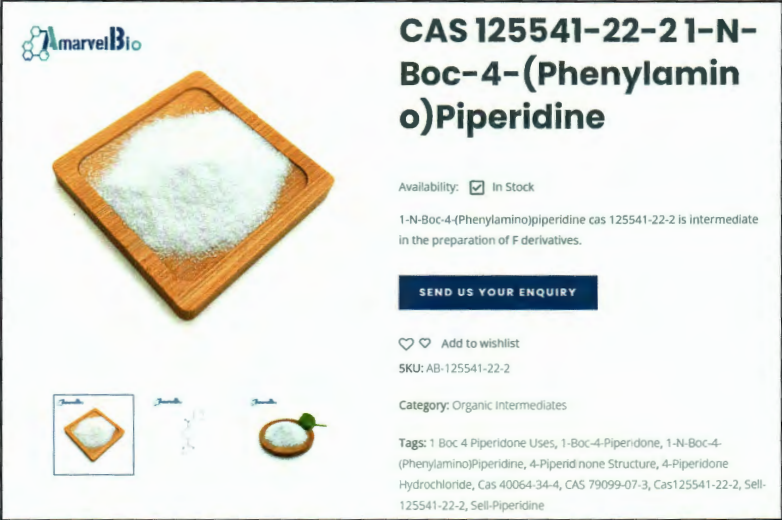 A screenshot of Amarvel Biotech’s now-defunct site as supplied by the U.S. Justice Department in an indictment against Hubei Amarvel Biotech Co., Qingzhou Wang, Yiyi Chen, and Fnu Lnu.
At one point during the DEA investigation, the officer told Wang and Chen that Americans had died from consuming the drugs from their shipment, and he needed a better recipe. According to the complaint, Wang told Chen that they could “guarantee” the quality of their precursors “because [they] have many clients in Mexico” and suggested that the officer connect with their Mexican clients on formulations.
According to the indictment, when the U.S. Justice Department announced charges against Sinaloa Cartel leaders and a Chinese precursor supplier in June 2023, Chen said a competitor in China was exposed by the American government, and they needed to take additional steps to avoid law enforcement detection.
In June 2023, Wang and Chen traveled to Fiji to meet with an individual acting on behalf of the DEA. They were subsequently taken into custody.
Illicit fentanyl rose as a cause of death for Americans beginning in 2010, and a dramatic spike in about 2020 saw it become the top cause of death for Americans aged 19 to 45. The trend may be reversing, declining by 36 percent from 2023 to 2024.
The Trump administration has stated that stopping the flow of illicit fentanyl is a national priority, and the president has put pressure on China and border nations Mexico and Canada to address the drug crisis.
 Friends Read Free
Copy
Facebook
Tweet
Friends Read Free
Copy
Facebook
Tweet