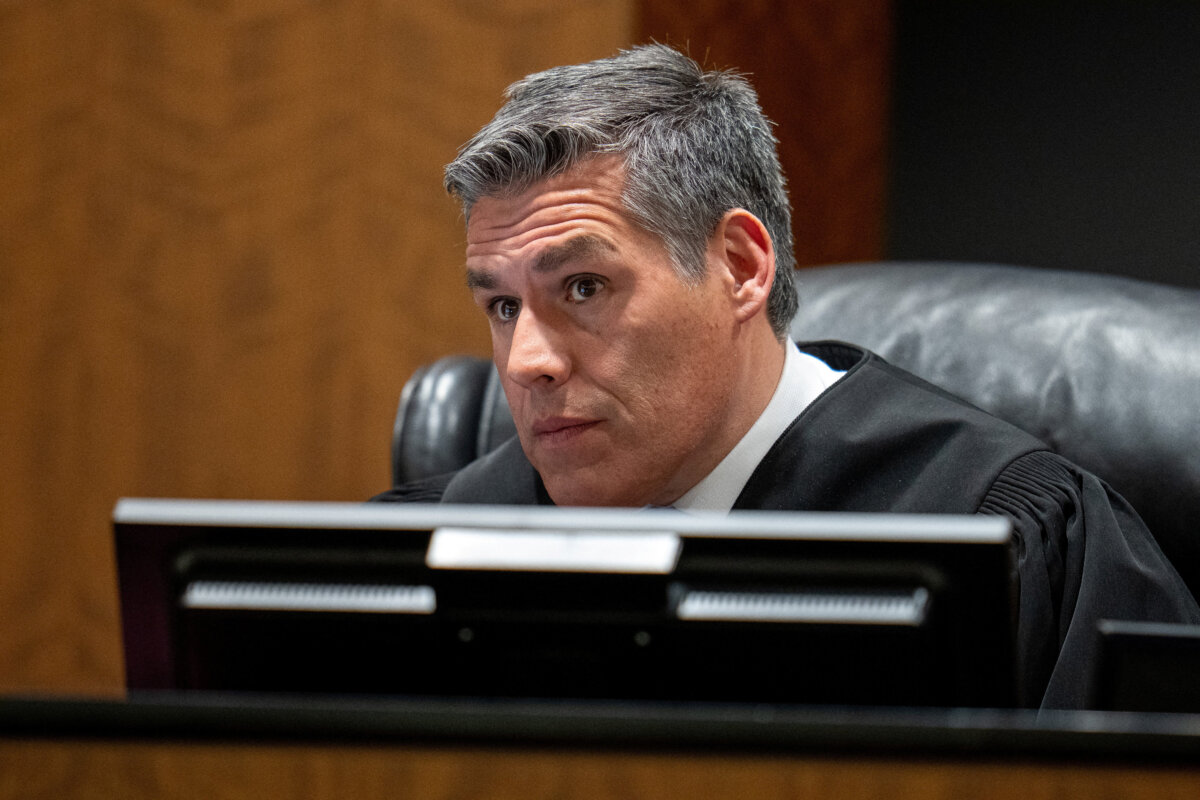
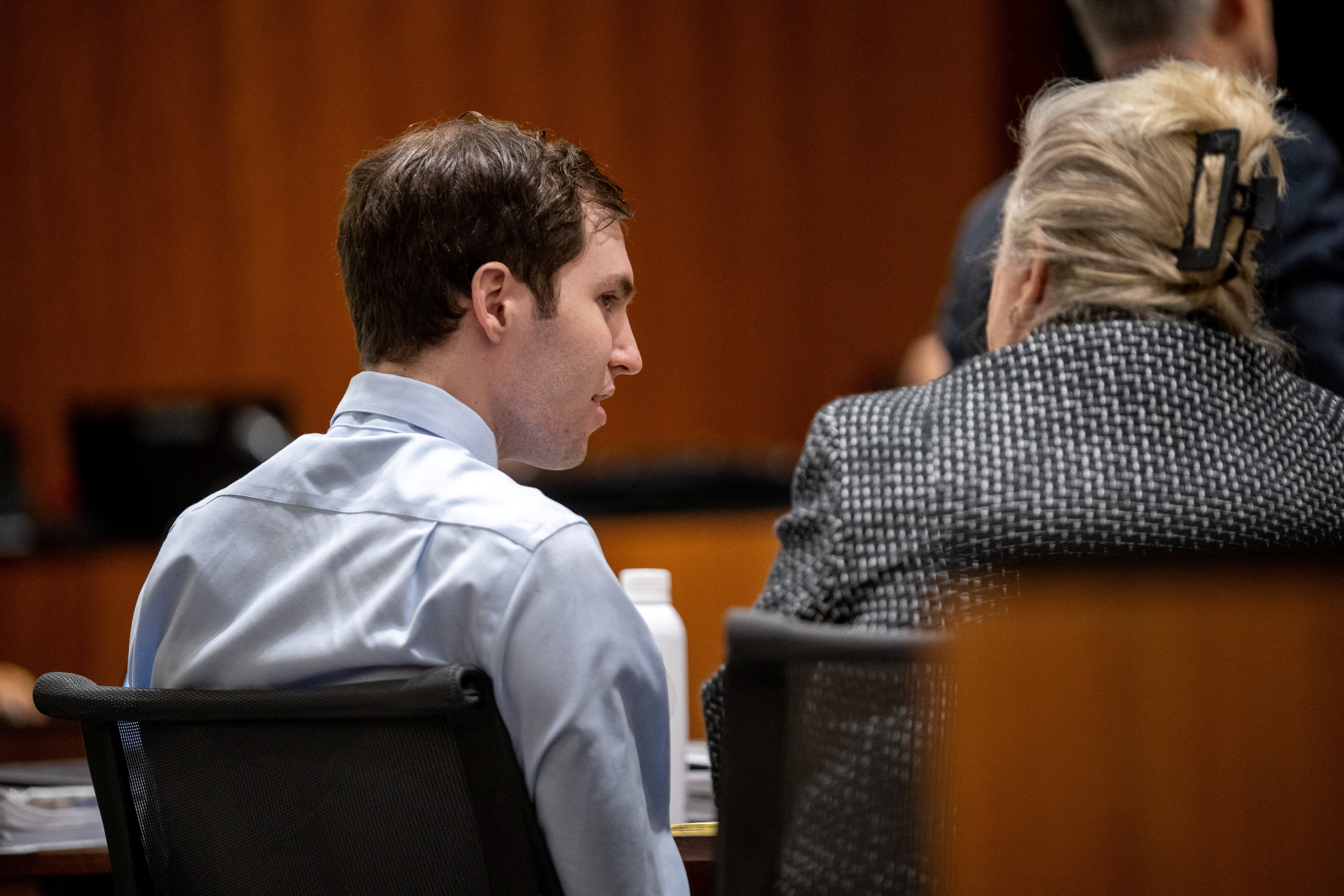
During an unusual June 12 hearing, lawyers for Tyler James Robinson, the man accused of assassinating conservative commentator Charlie Kirk, asked a Utah judge to prevent prosecutors from pursuing the death penalty.
Attorney Richard Novak said that that sanction would blunt the impact of prosecutors’ allegedly improper public statements, which may have tainted potential jurors.
Novak told Judge Tony Graf Jr., “I think that the number one remedy in this case, Your Honor, is for this court to preclude the state from seeking the death penalty against Mr. Robinson.”
Novak alleges that prosecutors violated court rules when they commented about bullet fragment tests and the strength of evidence against Robinson late last year, several months after he was accused in Kirk’s slaying.
Orders for other possible sanctions—such as fines or continuing education courses—would do nothing to mitigate the allegedly prejudicial effect of the prosecutors’ statements, which he called “extremely reckless.”
Ryan McBride, chief of the General Crimes Division at the Utah County Attorney’s Office, countered that prosecutors behaved in a responsible manner when they corrected media reports that inaccurately portrayed the outcome of ballistics tests.
Although those results were “inconclusive,” many media outlets incorrectly reported that testing proved that the bullet fragments did not match the gun found near the crime scene.
McBride argued that Utah County Attorney Jeffrey Gray and Christopher Ballard, general counsel at the Utah County Attorney’s Office, acted responsibly and fulfilled their ethical duty to set the record straight.
“We have here perhaps the most high-profile murder case in the world, certainly one of the most high-profile murder cases in Utah’s history,” McBride said, yet media reports were “misrepresenting the evidence and claiming that it completely exonerates the defendant.”
In an extraordinary situation, Ballard served both as a witness and a prosecutor during the June 12 hearing in Fourth District Court in Provo, Utah.
During Ballard’s testimony, Novak repeatedly asked Ballard whether he was attempting to influence public opinion when he spoke to multiple media outlets late last year.
Ballard said his goal was “to respond to the specific media inquiries that were being generated by the misinformation that was circulating about the bullet testing.”
He also testified that he attempted to make more “general” statements about how ballistics tests work—an assertion that Novak said was “lacking in credibility.”
McBride disagreed. He said the evidence showed that Ballard had consistently made statements such as: “‘In general, when you have an inconclusive report, it means this.’ Did he say that bullet? Yeah, because he was referring to the bullet reference in the previous sentence, and that was consistent throughout all of the media that we looked at.”
Ballard testified that he believed that his statements were permitted under rules allowing comment on records that had been made public; the ballistics tests were, in fact, released.
McBride argued that Ballard’s testimony revealed “a measured and thoughtful, deliberate approach, not an intent to violate the court’s order.”
Attorney and legal analyst Mike Allen, a former judge and elected prosecutor in southwest Ohio, told The Epoch Times via text: “It is extremely unusual to have a Prosecutor on the witness stand being grilled by defense counsel. It should only happen in the most extreme of circumstances.
“It’s something that the judge really should be regulating tightly if he allows it at all. It rarely happens.”
Allen also said he perceived that the defense’s request to block the death penalty was “grasping at straws.”
The judge said he will rule on that issue on June 22. Graf also will reveal whether he will allow “hearsay witnesses”—people who talk about what others stated—to testify at a preliminary hearing set for July 6 to July 10.
At that hearing, prosecutors must prove that they have sufficient evidence showing that Robinson likely committed the offenses with which he is charged.
Previously, the judge turned down defense motions to close all or part of the preliminary hearing. Graf also refused to delay the hearing while defense lawyers pursue a possible reversal from the Utah Supreme Court.
The 23-year-old defendant faces seven charges in the slaying of Kirk, a founder of the popular Turning Point USA youth movement.
Kirk was fatally shot while speaking during an outdoor event at Utah Valley University in Orem, Utah, on Sept. 10, 2025.
Robinson is accused of aggravated murder, felony discharge of a firearm causing serious bodily injury, two counts of obstructing justice, two counts of witness tampering, and committing a violent offense in the presence of a child.
 Friends Read Free
Copy
Facebook
Tweet
Friends Read Free
Copy
Facebook
Tweet