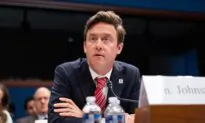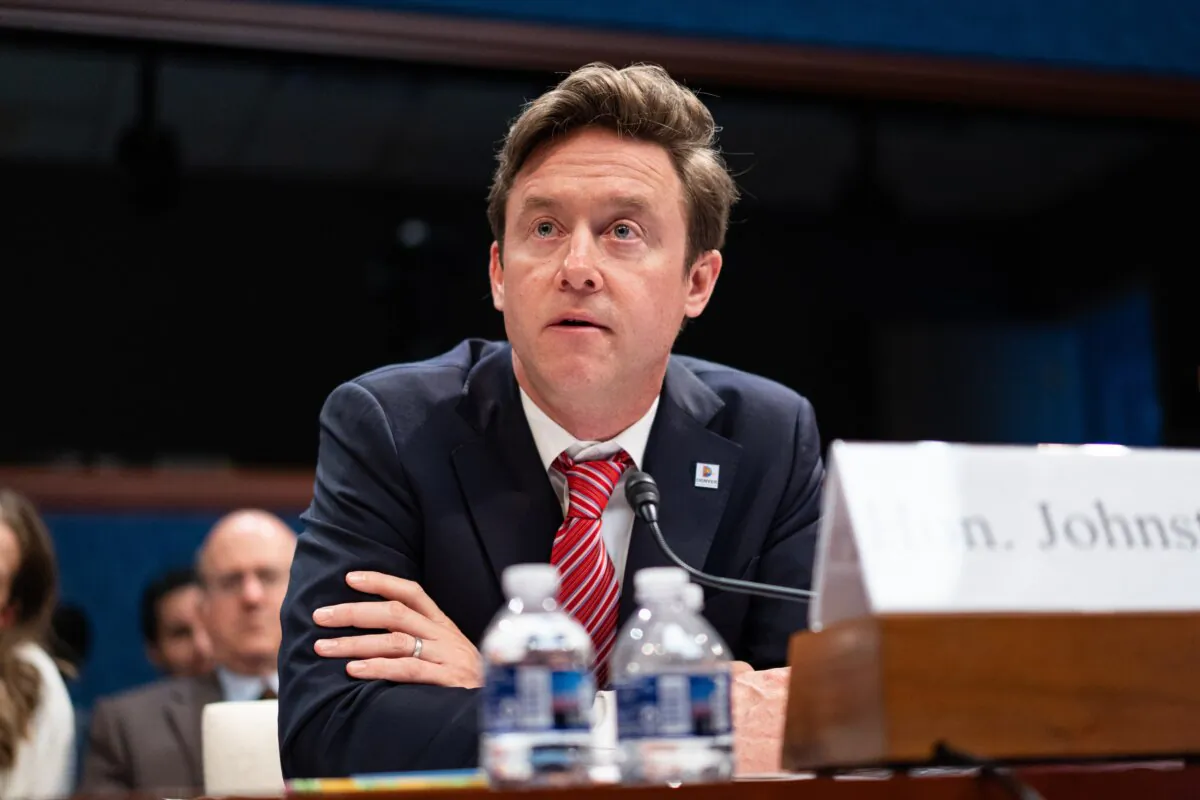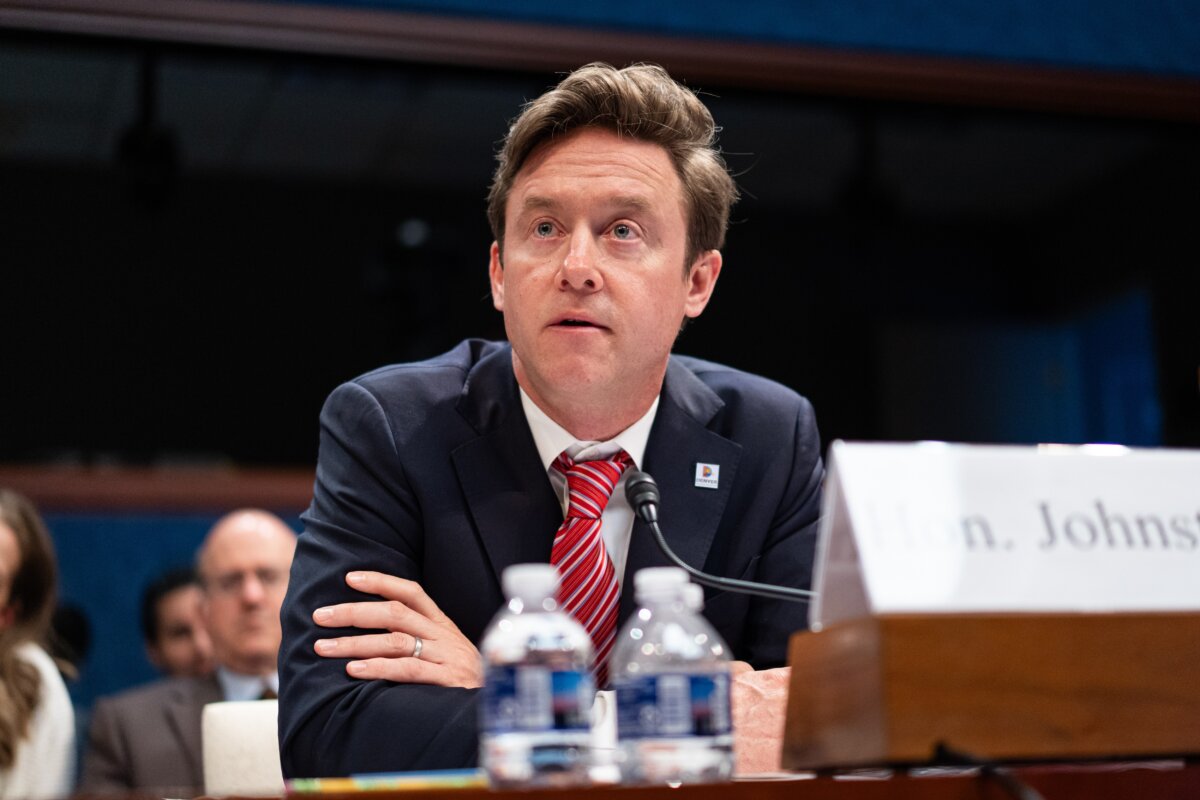

Denver Mayor Mike Johnston signed an executive order on Feb. 26 directing local law enforcement to protect protesters and prohibit federal immigration agents from using city property.
Johnston said that his order would enable Denver’s law enforcement agencies “to intervene in instances of force that could cause death or serious bodily injury by immigration enforcement agents” and provide medical emergency aid to protesters harmed by federal agents.
Staging areas, processing locations, or operations bases for civil immigration enforcement purposes are banned from city property unless immigration enforcement agencies have a judicial warrant or court order, according to the order.
The mayor also ordered local police to document the actions of federal immigration agents with body-worn cameras and to conduct independent investigations into any alleged legal violations.
Johnston’s order prevents city agencies from sharing their databases with federal immigration partners and empowers local law enforcement to use their “established de-escalation protocols” to ensure public safety in the event of civil immigration enforcement operations.
“We seek not to provoke but to protect,” Johnston said in a statement. “Our law enforcement and legal teams will stand up for civil liberties, and, if necessary, step in to protect the life and safety of our residents.”
The mayor acknowledged that Denver cannot prevent federal authorities from conducting civil immigration enforcement, but said his office has an obligation to protect the constitutional rights of its residents.
DHS Deputy Assistant Secretary Lauren Bis criticized Johnston’s order to ban federal law enforcement from city property and said that ICE law enforcement officers have always made public safety their top priority.
“ICE law enforcement officers are trained to use the minimum amount of force necessary to resolve dangerous situations to prioritize the safety of the public and our officers,” Bis said in an emailed statement.
“While Mayor Johnston continues to release pedophiles, rapists, gang members, and murderers onto their streets, our brave law enforcement will continue to risk their lives to arrest these heinous criminals and make Denver safe again.”
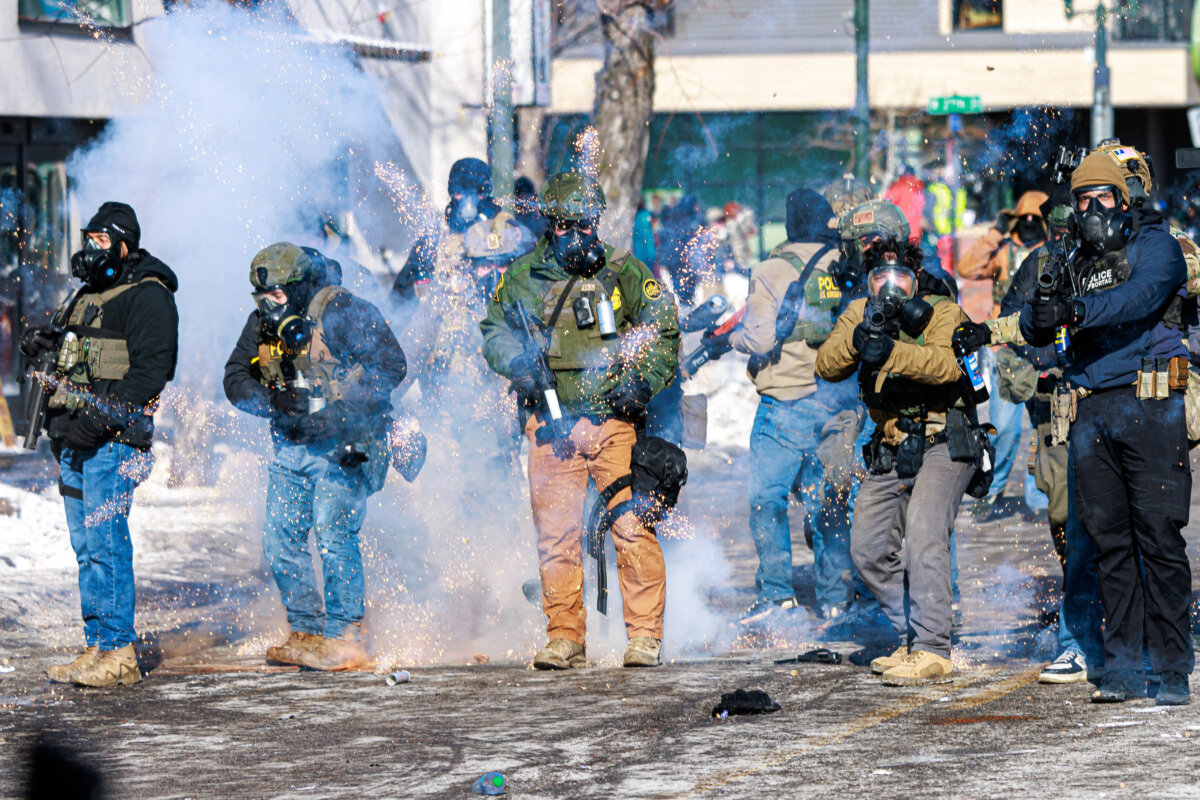
The order comes against the backdrop of the Trump administration’s ongoing immigration enforcement targeting illegal immigrants across the country, which has triggered protests in multiple states.
Protests further intensified when federal agents in Minneapolis fatally shot U.S. citizen protesters Renee Good on Jan. 7 and Alex Pretti on Jan. 24 during immigration enforcement operations in Minneapolis.
Some states have taken steps to control local law enforcement involvement in federal immigration operations.
On Feb. 17, Maryland Gov. Wes Moore signed legislation prohibiting local law enforcement from engaging in agreements that would require them to perform federal civil immigration enforcement functions under Immigration and Customs Enforcement’s (ICE’s) oversight.
“In Maryland, we defend Constitutional rights and Constitutional policing—and we will not allow untrained, unqualified, and unaccountable ICE agents to deputize our law enforcement officers,” Moore said in a statement.
In December, Minneapolis Mayor Jacob Frey signed an executive order banning federal and local agencies from using city-owned parking lots, ramps, garages, or vacant lots as staging grounds for civil immigration enforcement operations.
The Trump administration last year filed a lawsuit against the state of Colorado and the City of Denver over sanctuary laws, which it said were intended to hinder federal authorities from enforcing immigration laws.
 Friends Read Free
Copy
Facebook
Tweet
Friends Read Free
Copy
Facebook
Tweet