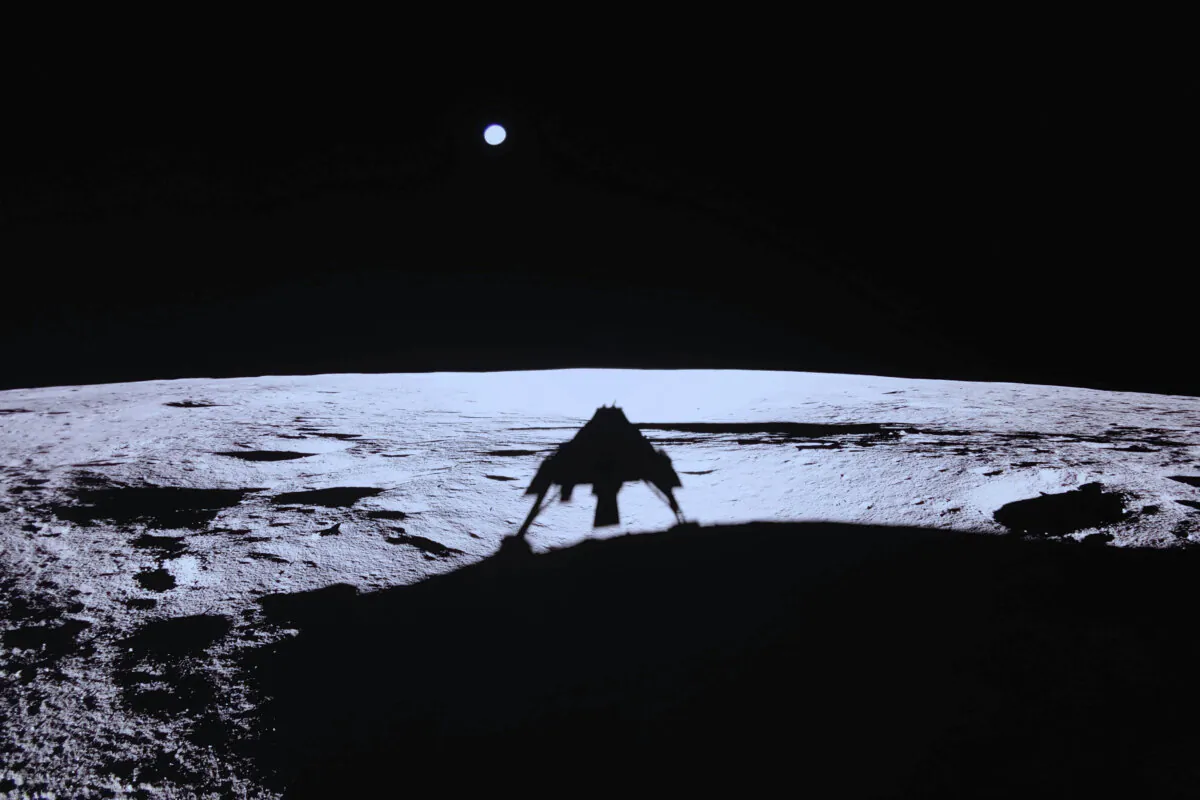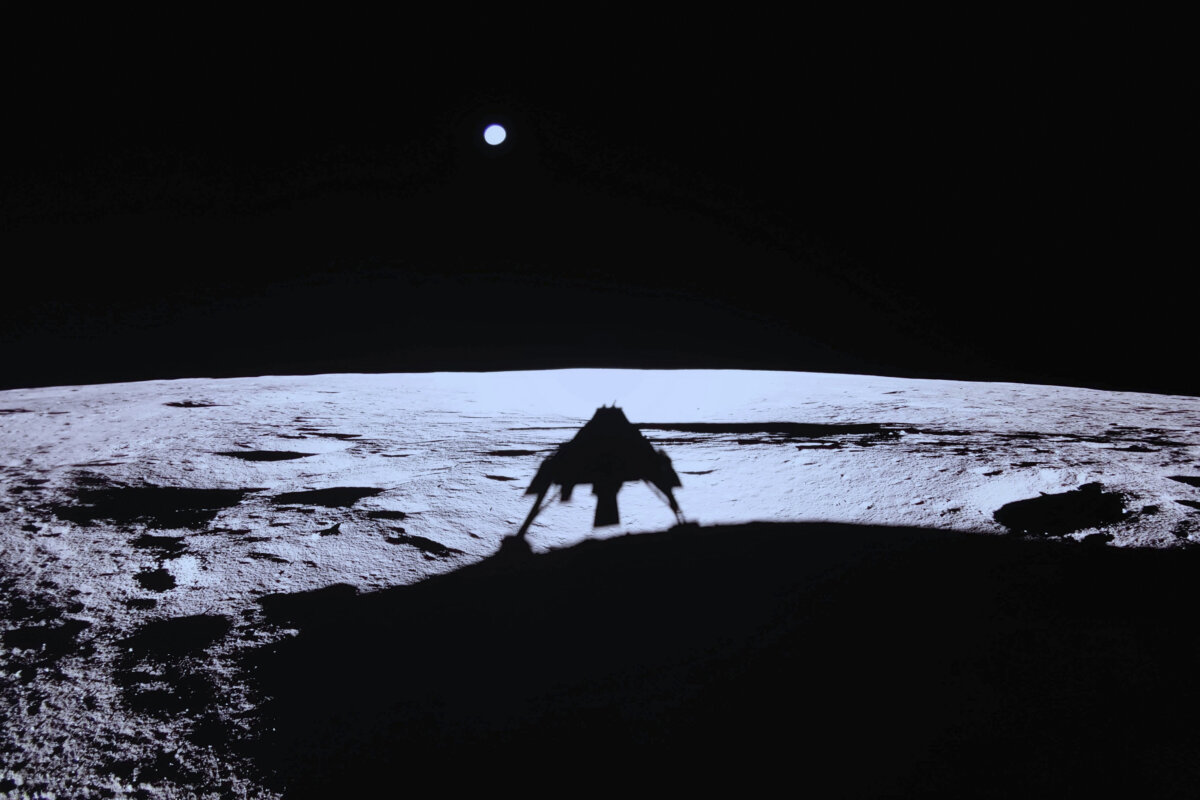

NASA’s acting administrator Sean Duffy announced that the United States was planning to build a nuclear reactor on the lunar surface as part of the Artemis campaign to return to the moon and stay there.
“We’re in a race to the moon, in a race with China to the moon,” Duffy told reporters on Aug. 5. “And to have a base on the moon, we need energy, and [in] some of the key locations on the moon, we’re going to get solar power. But this fission technology is critically important.”
Duffy, who is also the transportation secretary, was named interim administrator of NASA in July after President Donald Trump revoked the nomination of Jared Isaacman, private astronaut and Elon Musk ally, just before the Senate was due to cast its confirmation vote.
Duffy explained during his press conference that the idea of utilizing nuclear power on the moon was not a new concept and had been discussed during Trump’s first term, as well as under the Biden administration. Hundreds of millions of dollars had been spent studying the idea, and whether it could be done.
“We are now going to move beyond studying, and we have given direction to go,” he said. “Let’s start to deploy our technology, to move, to actually make this a reality.”
The secretary touted NASA’s plans to send the four-person Artemis II on a mission around the moon, and the following mission, Artemis III, will land humans on the lunar surface for the first time since December 1972.
Artemis III will stay there for six days. He also said that the program was behind schedule.
“If we’re going to engage in the race to the moon and the race to Mars, we have to get our act together,” he said. “We have to marshal all of our resources, all of our focus, on going to the moon, which is what we’re going to do.”
Following Artemis III, the acting NASA administrator said that unmanned missions would begin sending assets to the lunar surface in order to start building a base for long-term stays. But solar power—which has been a primary energy resource on the International Space Station in low-earth orbit—will not be enough to satisfy this base’s needs.
“We’re able to build a base,” he said. “But this is critically important. There’s a certain part of the moon that everyone knows is the best. We have ice there. We have sunlight there. We want to get there first and claim that for America. And to do this is, this part of the fission technology is critically important to sustain life, because solar won’t do it.”
While its Artemis program has continued to face delays, NASA’s latest target for its next moon landing is mid-2027. Meanwhile, communist China’s space program is reportedly on track to make its first manned landing on the lunar surface by 2030.
The Epoch Times reached out to NASA for further details on this new development in its moon program.
Jackson Richman contributed to this report.
 Friends Read Free
Copy
Facebook
Tweet
Friends Read Free
Copy
Facebook
Tweet