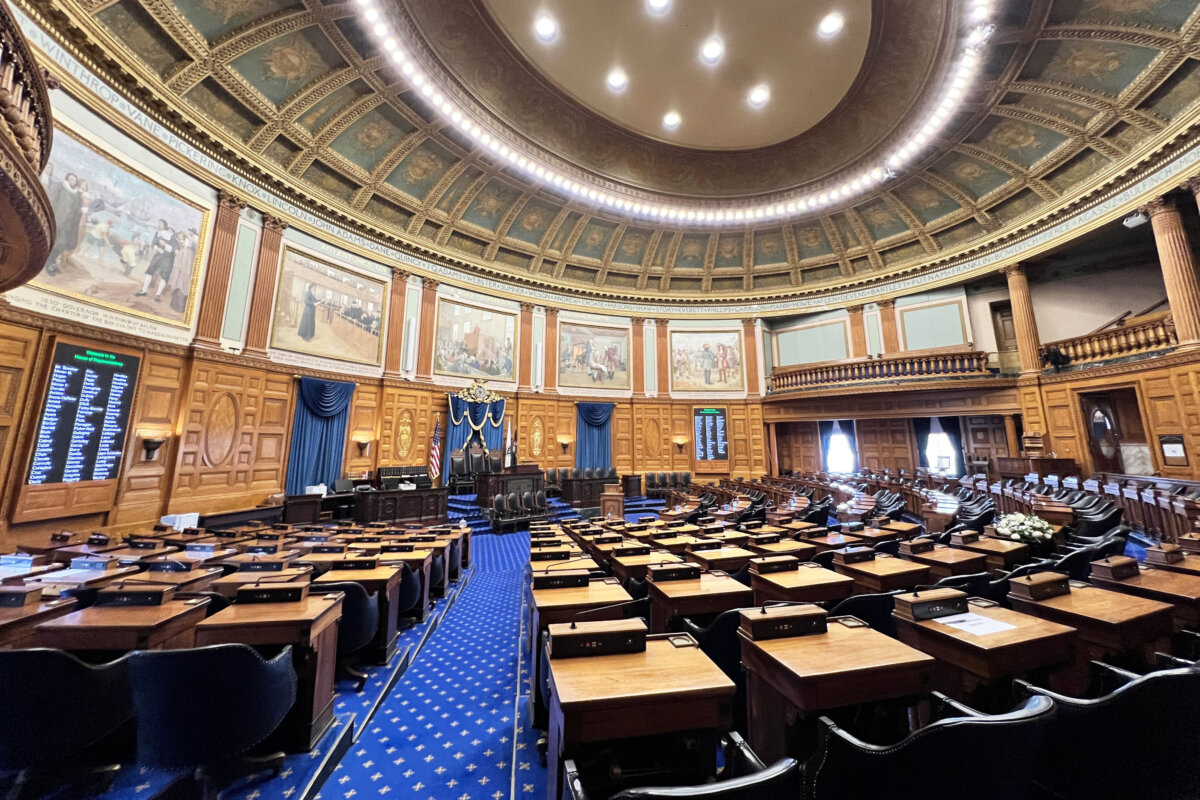

Gun rights groups and individuals sued Massachusetts officials on Aug. 21 over the state’s “assault style” firearms ban, alleging it violates residents’ Second Amendment rights.
The National Rifle Association (NRA), Gun Owners’ Action League, Pioneer Valley Arms, and four individuals sued Attorney General Andrea Campbell and Secretary of Public Safety and Security Terrence Reidy in their official capacities in the U.S. District Court for the District of Massachusetts.
The ban, titled “An Act Modernizing Firearm Laws,” was signed by Gov. Maura Healey on July 25, 2024.
It does much more than ban firearms that the state has labeled “assault weapons.” At the signing, Healey said the law would enhance public safety in a state with some of the tightest gun laws in the nation.
The law prohibits the possession, ownership, sale, or transfer of any firearm considered “assault style.” Plaintiffs say the term “assault style” is broadly defined and includes many of the most commonly held semiautomatic handguns, rifles, and shotguns.
It also includes any “copy or duplicate of any firearm” that would be considered “assault style” under the act.
The complaint states that the law violates the Second Amendment by banning firearms that are commonly used for lawful purposes. It also alleges a Fifth Amendment violation, because it does not clearly define the term “assault style.”
The plaintiffs are asking the court to declare the law unconstitutional, block the state from enforcing the law, and award them attorneys’ fees.
“These extreme and ill-conceived laws have created chaos in the Commonwealth, turning lawful gun owners into felons overnight. Today’s lawsuit seeks to end arbitrary bans on commonly owned firearms and begin the process of restoring the constitutional rights of Bay Staters,” John Commerford, executive director of NRA-Institute for Legislative Action, wrote in a statement announcing the lawsuit.
Under the law, the secretary of the Executive Office of Public Safety and Security is supposed to maintain an “assault-style firearm roster.” This roster is to be compiled, published, and distributed to all state-licensed firearms dealers, the plaintiffs state. The roster also must be posted online three times annually by the secretary, the plaintiffs say.
“But the secretary has not published the ‘assault style’ firearms roster, nor announced when such roster may be published or which firearms it will include. The lack of any such roster and the secretary’s ability to change the roster at any time precludes anyone from knowing whether a firearm is or will become prohibited,” according to a statement released by the NRA.
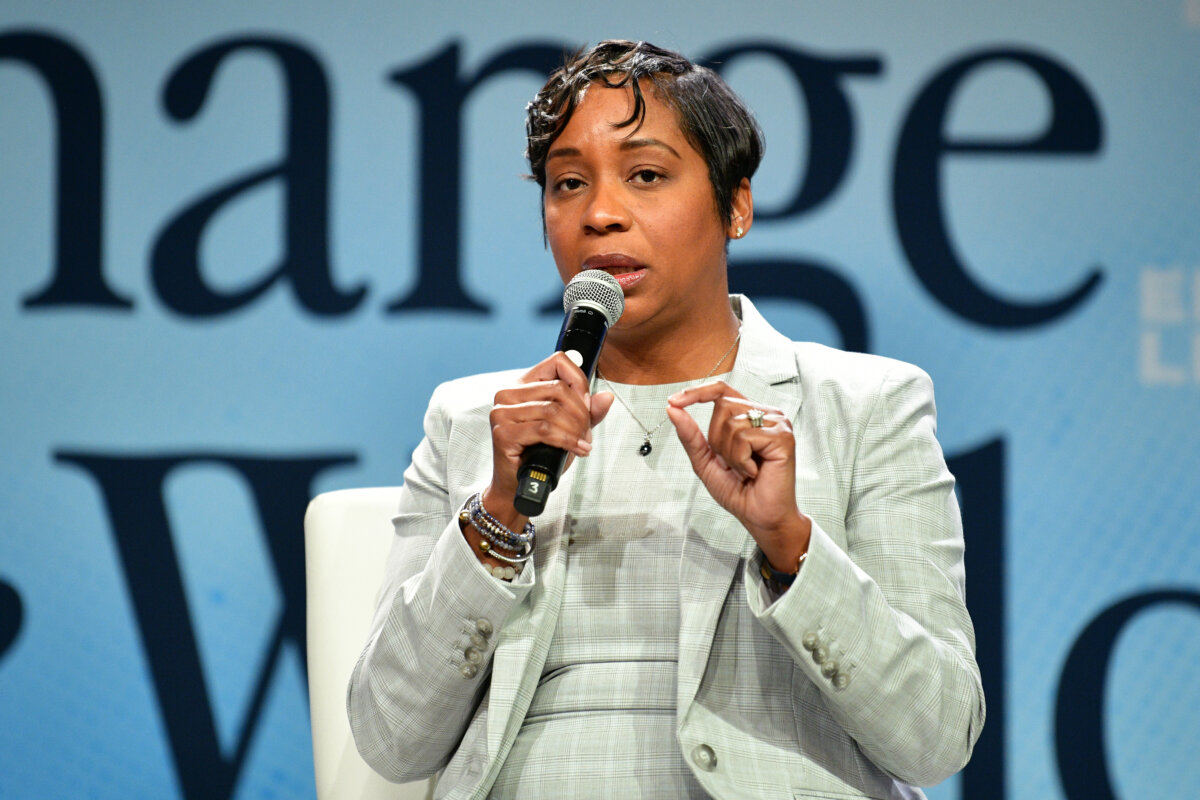
In an emailed statement to The Epoch Times, Campbell vowed to defend the state’s gun laws.
“Massachusetts has some of the strongest gun safety laws in the country that are enforced consistent with public safety and the Second Amendment. My office will continue to defend them against any challenge in order to keep our communities and our Commonwealth safe,” Campbell wrote.
When she signed the act into law on July 25, 2024, Healey said it was a response to the June 2022 U.S. Supreme Court decision in New York State Rifle and Pistol Association v. Bruen. Healey said the new law would make Massachusetts safer.
“Massachusetts is proud of our strong gun laws, but there is always more work to be done to keep our communities safe from violence. This legislation updates our firearms laws in response to the Supreme Court’s misguided Bruen decision,” she said in a statement.
According to Healey’s statement, the act also addressed guns and firearms components that do not have serial numbers, along with 3-D printed guns. It enhanced the state’s “Red Flag Law,” which allows the courts to disarm individuals deemed to be a danger before they have been charged with or convicted of a crime, and expanded violence prevention programs.
In Bruen, the high court ruled that any gun law must fit with a plain reading of the Second Amendment.
It must also have an analogous, though not identical, law from the period of the Second Amendment’s ratification in 1791.
Multiple states, including New York, New Jersey, and Illinois, passed so-called Bruen-response bills, tightening gun control in their states by increasing regulations on the sales of firearms, limiting the places they could be legally carried, and increasing licensing requirements and costs. These state laws are also being challenged in court.
 Friends Read Free
Copy
Facebook
Tweet
Friends Read Free
Copy
Facebook
Tweet