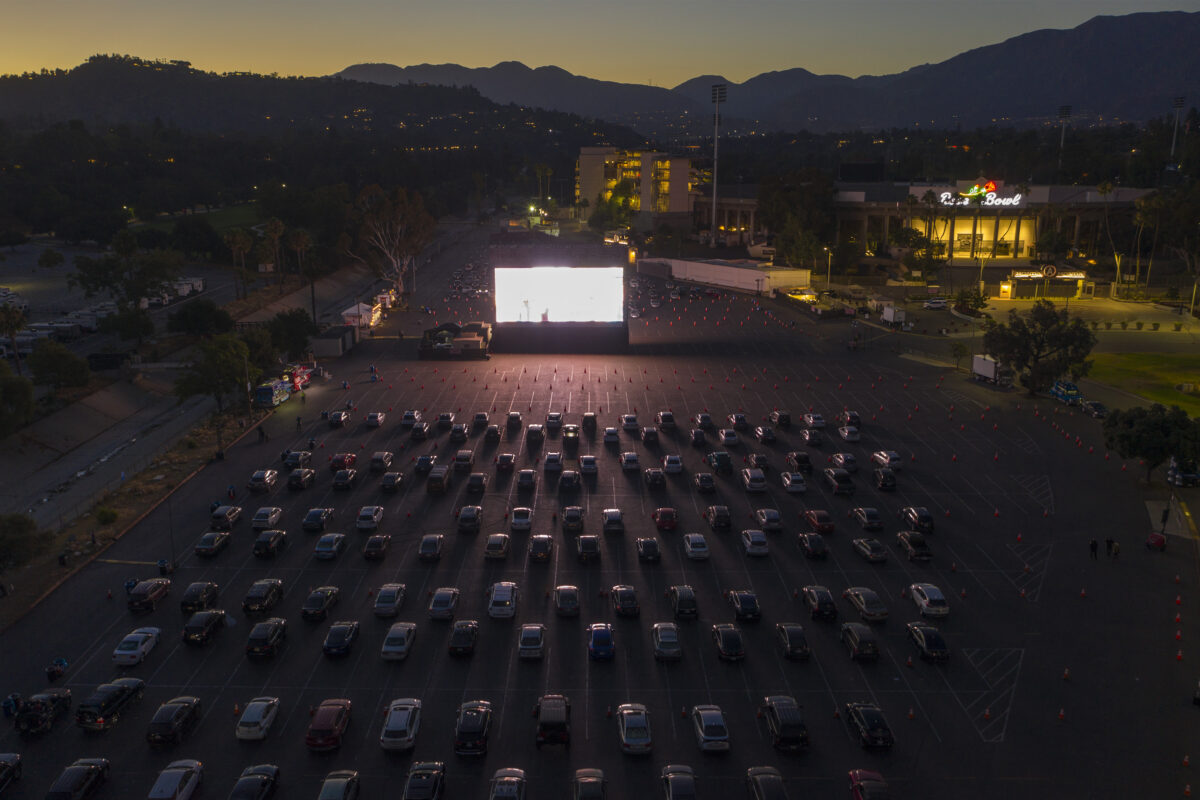

LOS LUNAS, N.M.—It wasn’t much to look at—just an old BMX park, hard-packed dirt, and open sky—but it held a kind of promise: enough space for cars, enough distance for a crowd.
In 2020, as the COVID-19 pandemic drove people apart, organizers with the Los Lunas Parks and Recreation Department reached for something familiar with a twist of necessity.
They would build a drive-in movie theater. Just one screen—large enough to gather families, even if they remained sealed inside their cars, watching together under the stars.
Parks and Recreation Supervisor Matthew Jaramillo remembers seeing it take shape as he rose through the ranks.
Something simple, improvised, yet well-timed. Iconic and fun. An antidote to lockdown isolation.
Six years later, Jaramillo now manages the Badlands Drive-In at Los Lunas (population 17,242).
It is the town’s only community-run drive-in, a pandemic-era experiment that has endured—lean, low-cost, and still drawing a crowd.
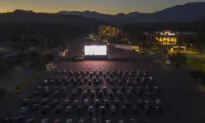
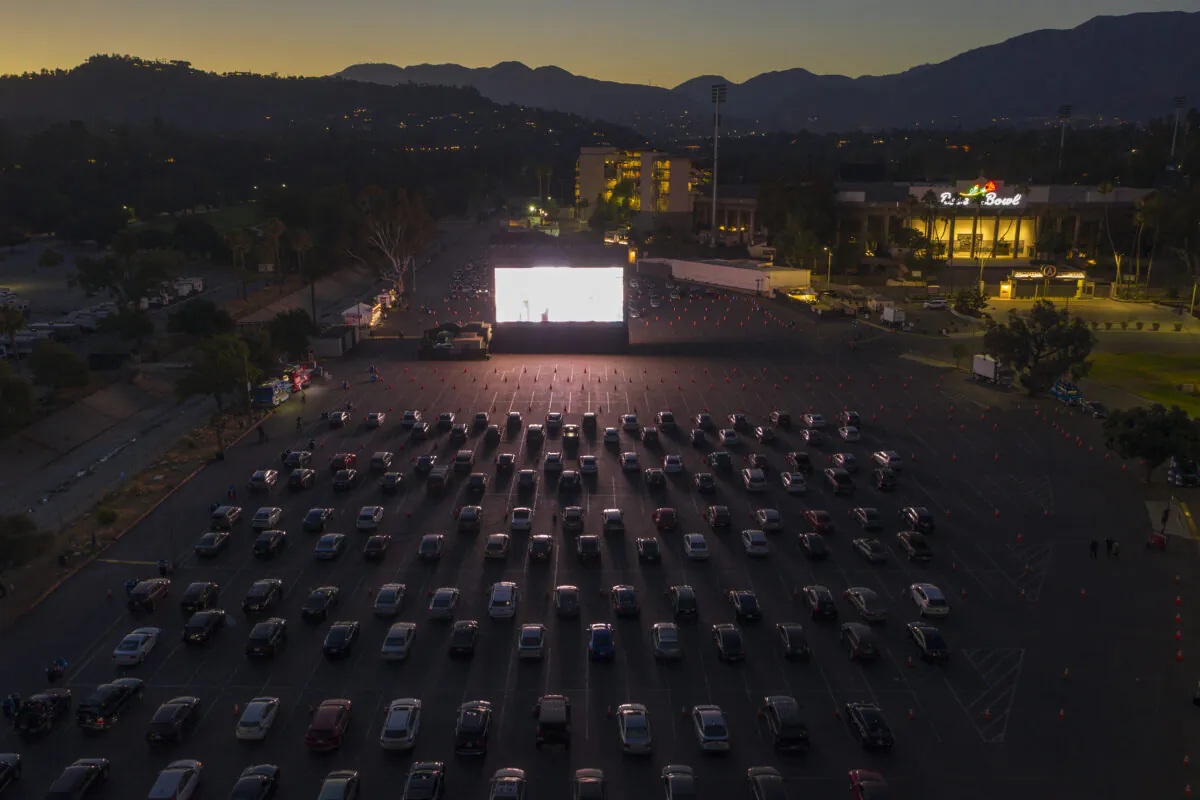
In the time of COVID-19, indoor theaters were shuttering under social distancing mandates. Drive-ins, long in decline, suddenly stood alone as one of the few places people could still come together safely and enjoy a movie.
In March 2020, Albuquerque—about 24 miles north of Los Lunas—rolled out a mobile drive-in setup, mounting a 150-inch screen on a flatbed truck and creating space for as many as 140 vehicles.
“I remember the conversation being [that] we wanted to do something similar [to a pandemic drive-in]. How do we kind of get into that realm?” Jaramillo said.
“We had a lot of things that got canceled—sports, marathon runs. We saw the city of Albuquerque doing the drive-in movie theater on blow-up screens.”
Across the country, other communities were asking the same question and experimenting with their own temporary drive-in theaters.
In Pennsylvania, the Bedford Rural Electric Cooperative helped establish a community drive-in in 2020, designed to safely accommodate up to 300 vehicles during the pandemic.
The setup included twin projectors casting films onto a 2,800-square-foot, IMAX-style screen, supported by 63-foot poles engineered to withstand winds of up to 120 mph.
The drive-in remains in operation today under the name Silver Lining Drive-In at the Bedford County Fairgrounds.
In August 2020, Walmart launched its “Walmart Drive-In” initiative, announcing plans to transform 160 of its parking lots nationwide into temporary drive-in theaters.
“We recognize the challenges our customers and their families have faced over the last few months, and we wanted to create an experience where they could come together safely to create new memories,” Janey Whiteside, Walmart’s chief customer officer, said in a statement at the time.
“The Walmart Drive-in is one small way we’re supporting the communities we serve.”
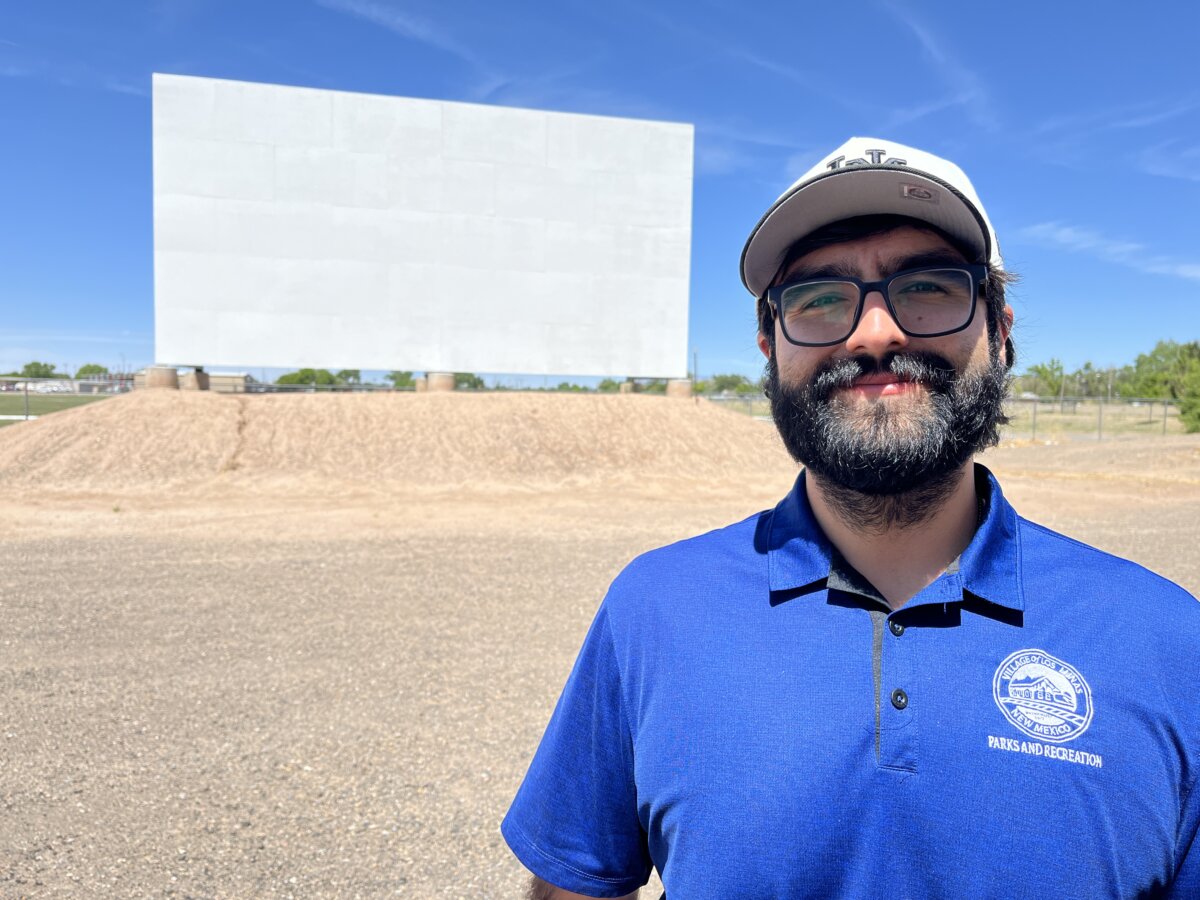
Still, most of the pop-up drive-ins that emerged during the pandemic have since closed. Only a small number remain in operation, including the Badlands Drive-In, which features a 60-by-80-foot screen.
“It’s been odd, I get that question a lot. How do you continue to run it, how does it continue to make sense viably?” Jaramillo said.
The short answer: low overhead costs and limited showings, he said.
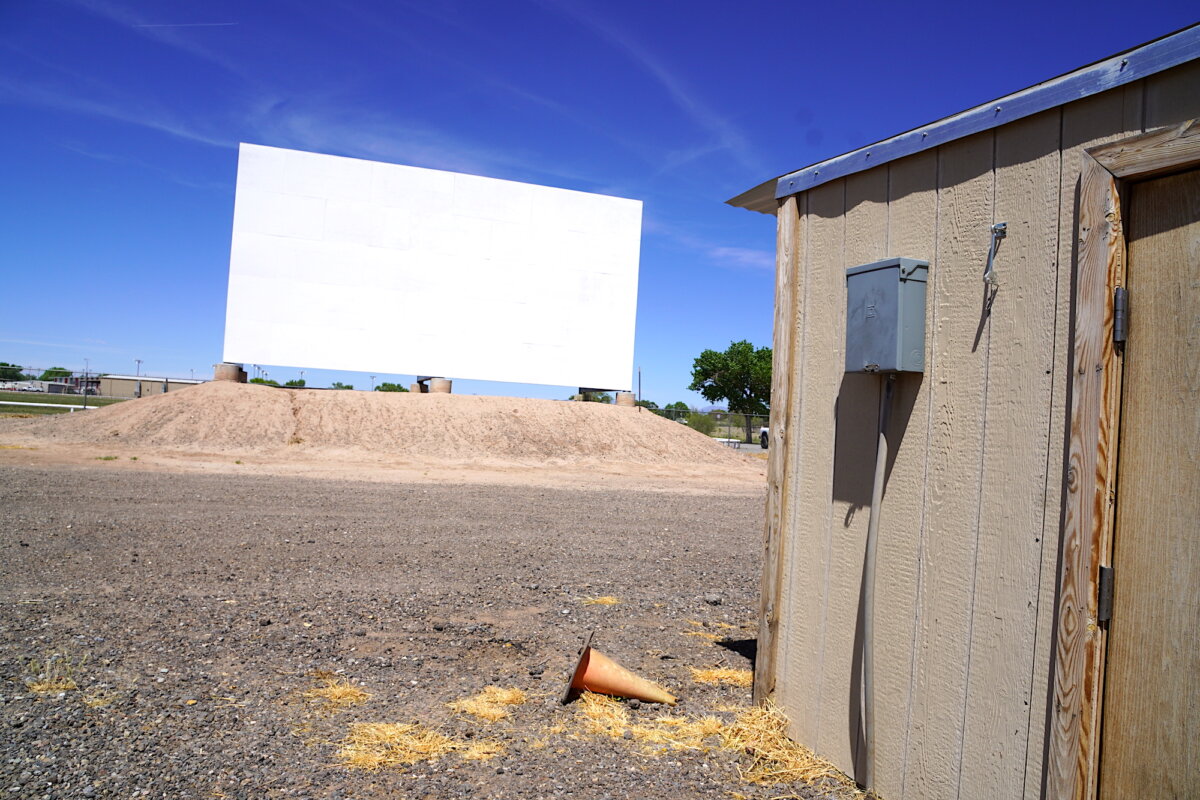
The Badlands Drive-In operates with a single large digital screen, a concession stand, and a small projection booth for DVD playback.
Its lot can hold up to 100 vehicles, although monthly screenings typically draw about 40 from the village and across Valencia County.
Jaramillo said the drive-in has licensing agreements with major film studios that allow it to function as a non-commercial venue, meaning it can screen older films but not first-run releases.
It costs maybe $150 to replace a projector bulb and a few hundred dollars for staffing.
“So each year, I’m looking at maybe $1,500 [in operating costs]—max,” Jaramillo told The Epoch Times.
“Luckily, it’s been pretty low overhead cost. That’s how we keep it cost-effective. The construction of the screen was probably the biggest expense. The projector isn’t very expensive—something you can even buy on Amazon.”
The drive-in uses a designated FM transmitter on its own channel, allowing moviegoers to tune in directly from their vehicles.
“The other part is marketing. I’ve learned that if you do it every other weekend, people won’t be interested. But if you do it once a month, you can find that sweet spot to keep things interesting and exciting,” Jaramillo said.
“People want to come, so I’m doing it about every month. I call it First Fridays.”
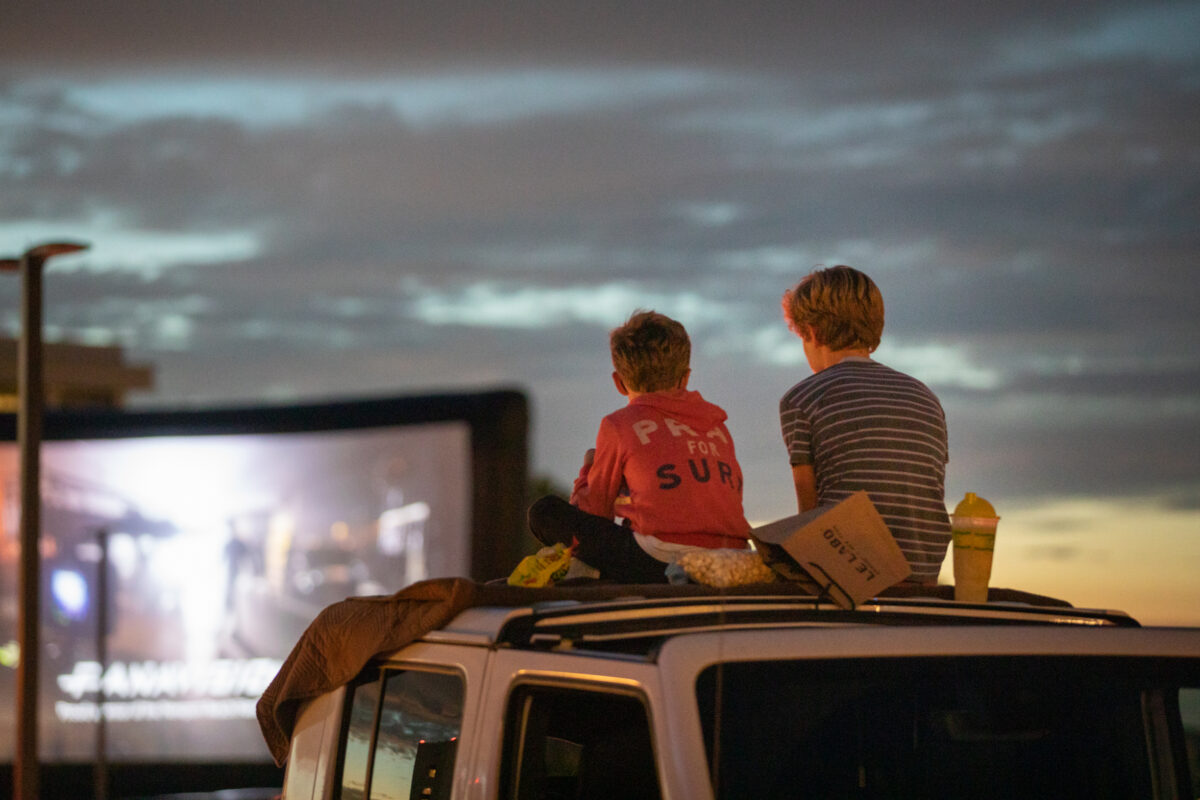
It costs $15 per vehicle to watch a movie, a fee that helps sustain the drive-in’s continued operation.
“I’ve gotten a lot of requests for more family-friendly movies,” Jaramillo said.
“Some people have cult-like followings for movies they want to see. But again, the market is not in there.”
Decline of Drive-Ins
Jaramillo acknowledges the continued decline of drive-in theaters as a cultural phenomenon, but he said their renewed novelty—especially among younger audiences—continues to draw people in.
There’s nothing like watching “Shrek” or “Pulp Fiction” on a big screen in the open air, he said.
“I think it’s that kind of novelty. A lot of people in this town, being a small town, have a lot of pickup trucks and classic cars,” he said.
“So you’ll see probably 50 percent of the vehicles that watch a movie on a Friday night have their truck turned around.”
According to the New York Film Academy, only about 300 drive-in movie theaters remain in the United States today, and most are located in states such as New York, Ohio, and Pennsylvania.
In contrast, the industry reached its peak in the 1950s and 1960s, when more than 4,000 drive-ins were in operation nationwide.
“Though there were drive-ins as early as the 1910s, the first patented drive-in was opened on June 6, 1933, by Richard Hollingshead in New Jersey,” the academy stated on its website.

However, drive-ins had their downsides. They were constrained by weather, vehicle size, and the need for nighttime screenings, according to the academy.
The 1970s oil crisis led to smaller, more fuel-efficient cars, making extended in-car viewing less comfortable.
In response to declining profits, many theaters shifted toward edgier programming, including horror and adult films.
Meanwhile, the arrival of the VCR and other digital platforms further reduced demand, offering a cheaper way to watch movies at home.
Over time, the business model became less profitable and harder to sustain. Most drive-ins required large tracts of land, and many owners ultimately found it more profitable to sell to developers.
DriveInMovie.com notes that New Mexico had nearly 50 drive-ins at the peak of their popularity in the 1950s.
By 2020, only one remained in operation in the state, although two new drive-ins opened that year.
In Arizona, just one drive-in remains: Westwind Glendale 9, a year-round theater featuring nine screens and digital projection.
Most drive-ins are owned by families or individuals, keeping them local in character, according to Loco Drive-In, located in Loudon, Tennessee.
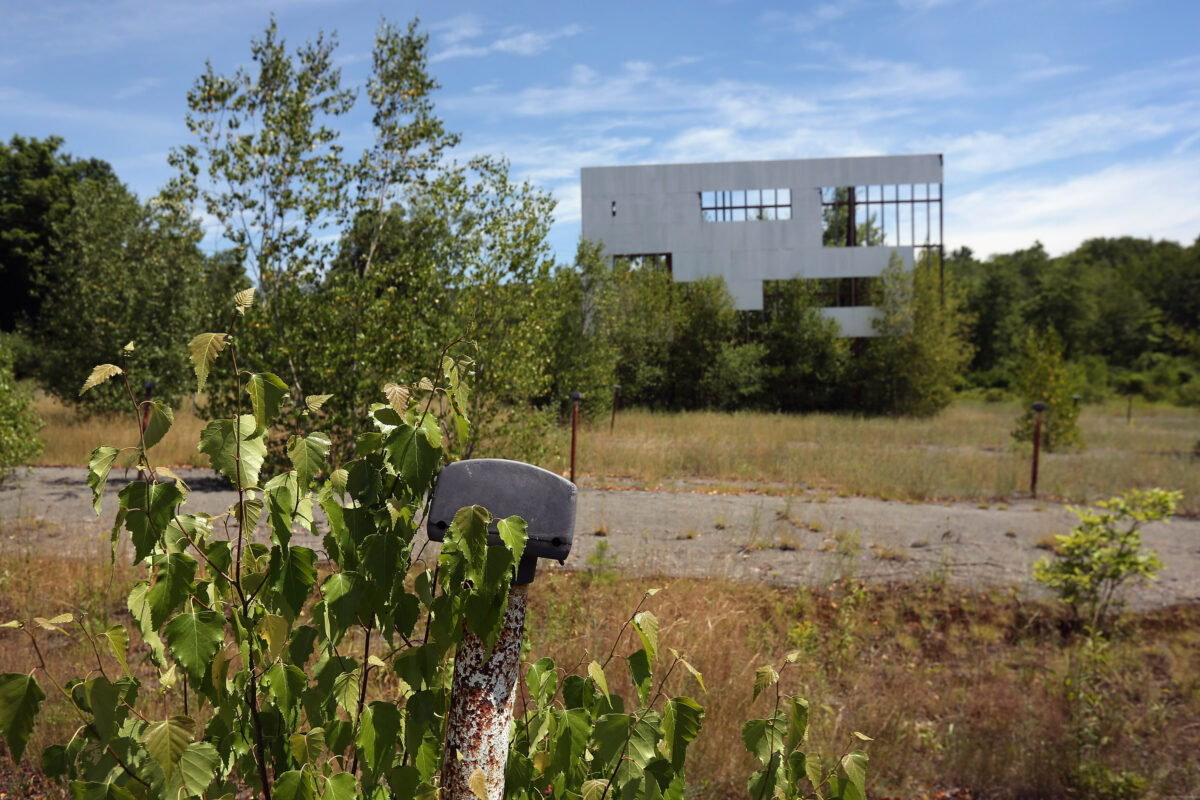
A few operate as multi-state chains, the company said. As interest in drive-ins grows again, some expect more chain expansion in the future, although it’s still uncertain.
Home Grown
As a community-led initiative, the Badlands Drive-In is an ongoing effort with room to grow, Jaramillo said.
He said he hopes to expand its programming to include a wider range of film genres as interest increases.
He also sees potential in other uses for the space, such as big-screen video game events and tournaments designed to appeal to the growing gaming community.
“You can plug a PlayStation into the projector,” he said.
“You can play on a [60-by-80] screen for your championship match.”
Jaramillo said experience has shown that if you build it right, people will come.
The drive-in movie theater will survive, he said.
“I feel like I found that sweet spot where it doesn’t get tiring.”
 Friends Read Free
Copy
Facebook
Tweet
Friends Read Free
Copy
Facebook
Tweet