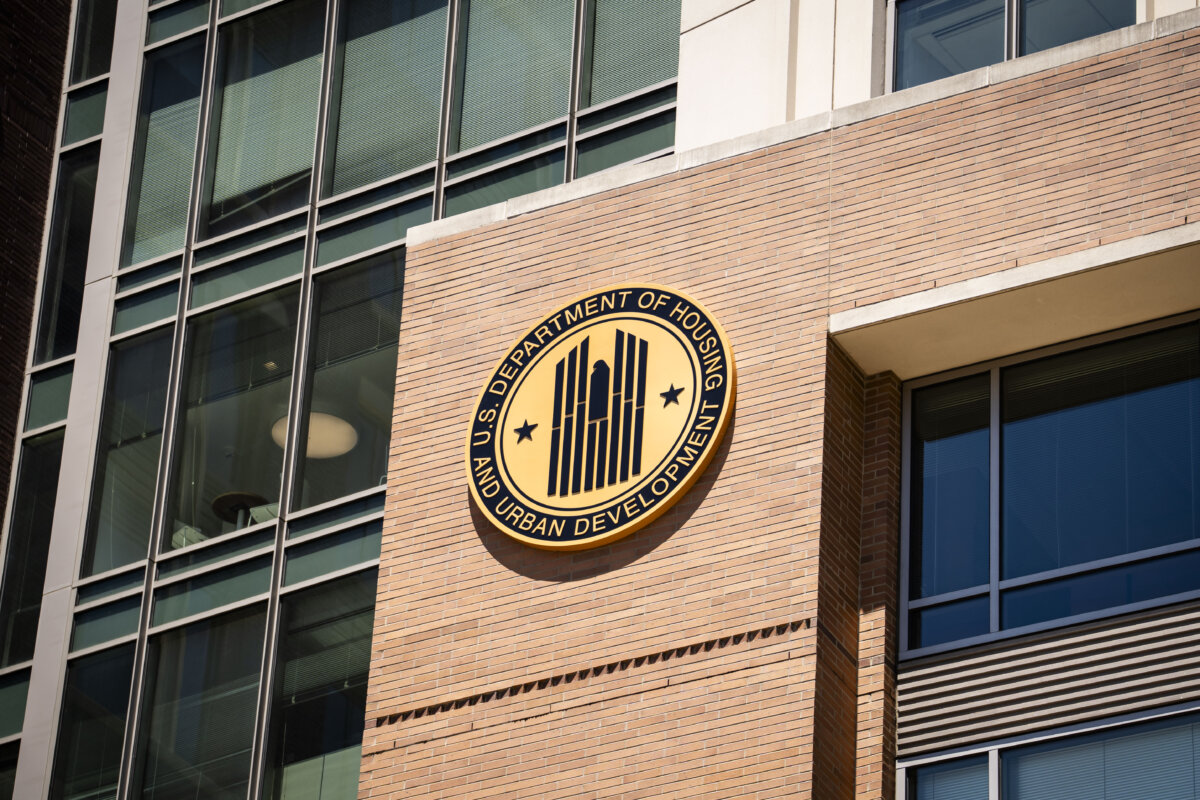

The federal government is making $193 million available to communities across the United States to tackle youth homelessness.
“Funding will support better response systems and transitional housing with wraparound services to help young people achieve stability,” the Department of Housing and Urban Development (HUD) said in a June 15 post on X.
Wraparound services are offered to stabilize and house a homeless person. This includes counseling, psychiatric consultation, legal services, tutoring, and assistance with applying for public benefits.
The funding is open to state and local governments, nonprofit organizations, and faith-based groups, HUD said in a June 10 statement. Applications are due by Aug. 10.
According to the funding notice, the $193 million will be disbursed via two grant programs: Youth Homelessness System Improvement (YHSI), and Youth Homelessness Demonstration Program (YHDP).
System Improvement grants will help communities set up and implement a response system for youth homelessness or improve an existing system. Roughly 49 communities will be eligible for these grants.
Demonstration Program funding will help communities implement “housing and supportive services projects.” HUD expects to choose 26 to 50 communities for this program. In up to 16 locations, priority will be given to communities with “substantial rural populations,” the notice said.
“Every American should grow up in a safe and loving home,“ HUD Secretary Scott Turner said. “HUD is pleased to announce this funding opportunity as we focus on partnering with communities to provide stability, resources, and healing to vulnerable youth.”
“The Trump administration is committed to supporting youth with housing resources to help them reunite with family or gain independence to pursue the American Dream.”
According to a February 2026 report from the National Center for Homeless Education, the number of children and youth experiencing homelessness nationwide rose from 1.2 million in the 2021-22 school year to 1.54 million in 2023-24, an increase of 28.3 percent.
In the same period, the number of unaccompanied youth experiencing homelessness increased by 15.5 percent, from 110,664 to 127,848, the report said.
“The majority of [those youths] continued to reside in shared housing due to loss of housing or economic hardship,” the report added.
More than 12,000 homeless youth were in shelters and transitional housing in 2023-24, over 2,800 lived in hotels and motels, and nearly 4,700 were unsheltered.
‘More Must Be Done’
The White House’s fiscal year 2027 budget request has come under criticism for cuts to housing. The request seeks $73.5 billion for HUD, a $10.7 billion or 13 percent reduction from 2026 levels.
In an April 6 statement, the National Low Income Housing Coalition (NLIHC) said the funding cuts would make it difficult for many families to find and maintain an affordable home.
“Despite bipartisan consensus that more must be done to boost the country’s affordable housing supply, the request would zero out funding for several programs that help finance the construction and preservation of affordable homes,” the group said, highlighting the HOME Investment Partnership program (HOME) and the Community Development Block Grant (CDBG) program.
According to the budget request, HOME funding was eliminated as the program “funnels money into a broken system without any clear positive outcomes.” The Trump administration proposed ending CDBG, alleging that funds were being channeled into “ideological pet projects” and were failing to support communities in need.
In its statement, NLIHC called on Congress to “reject funding cuts and harmful policy changes proposed in the White House’s budget request, and instead provide the highest possible funding for HUD’s affordable housing, homelessness, and community development programs.”
Meanwhile, on May 12, the White House highlighted First Lady Melania Trump’s achievements in improving outcomes for foster youth since President Donald Trump signed the “Fostering the Future for American Children and Families” executive order on Nov. 13.
Regarding the issue of homelessness, $30 million has been allocated for foster youth housing, the White House said. In addition, a new online platform has been set up to connect youth who are transitioning out of foster care with housing, education, and career development.
According to the National Foster Youth Institute, roughly 25 percent of former foster youth suffer homelessness within four years of exiting the foster care system.
 Friends Read Free
Copy
Facebook
Tweet
Friends Read Free
Copy
Facebook
Tweet