
All the reading Isabella Worsnop did on cross-country family road trips—and all the museums and historical sites she visited along the way—paid off.
The 14-year-old high school freshman from Marshville, North Carolina, felt great about her performance on the Impossible Civics Test, which is part of the Presidential 1776 Award national civics competition. She took the online multiple-choice exam in late February and is waiting to hear whether she’ll advance to the semifinals.
“I’ve always loved history,” Worsnop told The Epoch Times. “Just to think about how we, as a country, started with nothing, and how much we’ve accomplished—that’s why I love it.”
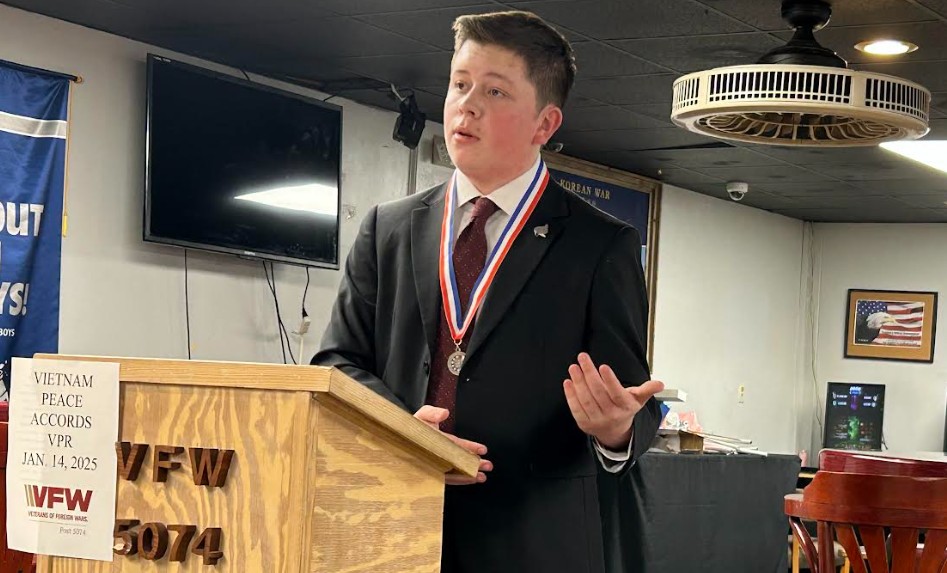
Benjamin Caudal, a high school junior who is homeschooled in Southlake, Texas, grew up with an affinity for civics education. He reads about 70 books per year and competes in local, national, and international debate contests. He, too, looks forward to getting his score back soon.
“It seemed easy at first, but by the end, it was very difficult, especially the questions about very specific documents and letters,” Caudal told The Epoch Times.
All told, 8,609 students signed up, 3,592 took the test, and 2,632 finished it, according to the Department of Education. Students had 90 minutes to answer up to 4,000 questions on U.S. history across three 30-minute sections of increasing difficulty.
“I’m incredibly proud of the thousands of students who took the Impossible Civics Test—and what a test it was!” Education Secretary Linda McMahon said in an email response to The Epoch Times. “To all of the students showing off their knowledge of our amazing nation and leaving their mark celebrating our Semiquincentennial, you’ve earned a big round of applause for challenging yourselves and taking civic literacy seriously. I can’t wait to see more of our students’ progress in the regionals and finals.”
The easiest question, answered correctly by 91 percent of the participants, asked what year the Declaration of Independence was signed, according to the Department of Education.
A more difficult question, which every single test-taker got wrong, asked what the primary purpose of the freedom of the press clause in the First Amendment was. Answer: “To protect the right of citizens and journalists to criticize government officials without fear of prosecution.” In addition, 100 percent of the participants incorrectly answered ‘yes’ to the question, “Does the Constitution allow state export taxes?”
Worsnop said she thinks she correctly answered questions about America’s colonial history leading up to the Revolutionary War, but she struggled with the questions about political parties and views. Still, that piqued her curiosity to learn more about that aspect of U.S. history before she takes a high school civics course next year.
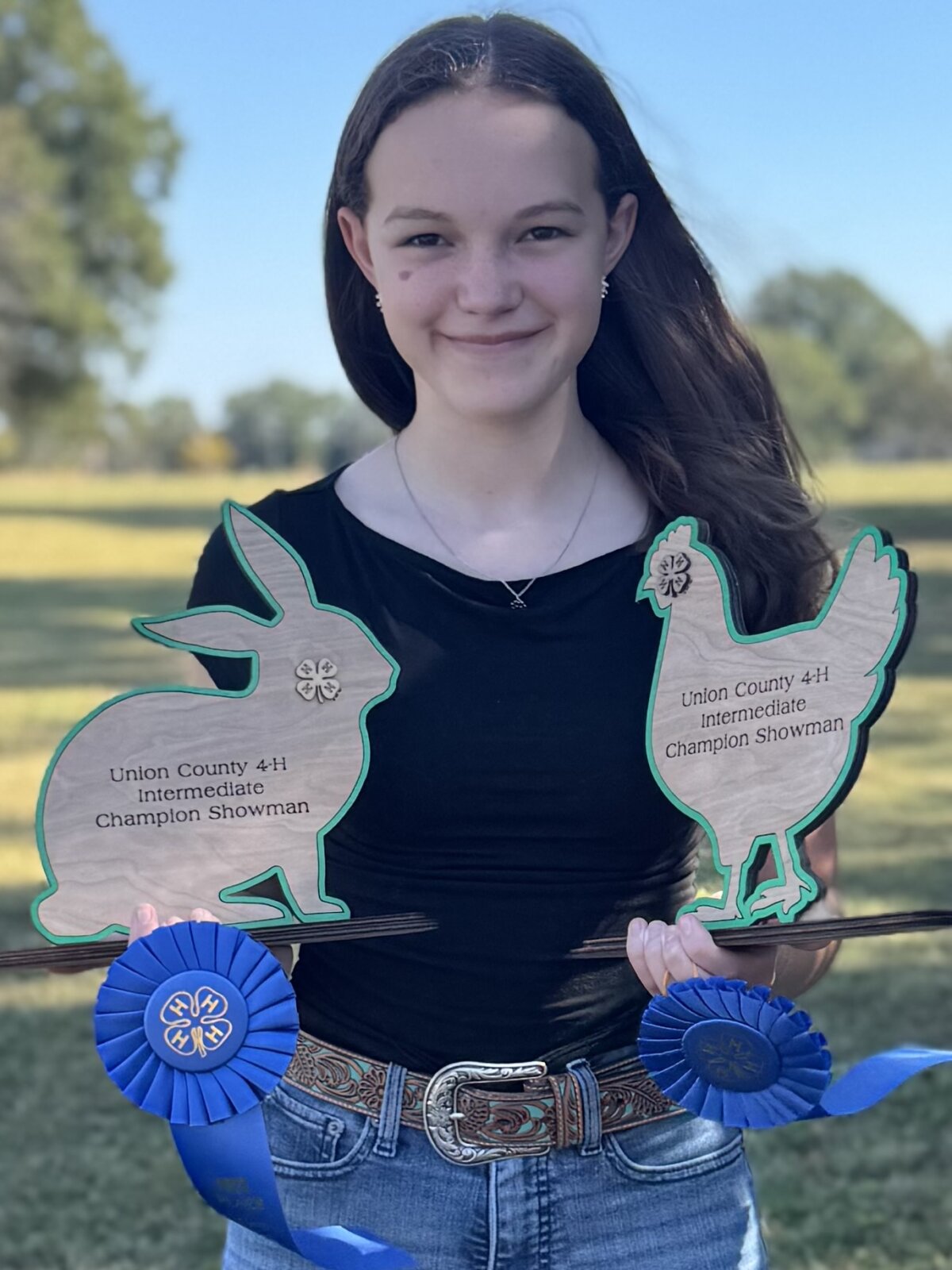
She maintains a 4.25 grade point average and is currently performing above grade level in math, science, and English language arts. Worsnop previously earned a black belt in Taekwondo and joined her high school softball team this spring. She’s also involved with 4H and Future Farmers of America, and she said she hopes to study animal science in college someday.
“I always want agriculture to be part of my life,” she said.
Caudal has also maintained high marks across all subject areas, in addition to learning Latin, playing the violin, and working on an Eagle Scout project. His involvement in debate requires hours of daily practice with peers at a local club, extensive reading, and an occasional verbal sparring session with his father, Andrew Caudal, an attorney. He recently competed in Turkey.
“Both of my parents majored in government in college, so it’s always been a part of this home,” he said, adding that he plans to attend college and major in civics. “Civics is the way our country has been so successful. It’s really important that we don’t lose it.”
The semifinal round is scheduled for May 2. The competitions will be held simultaneously at five presidential libraries and museums—John F. Kennedy in Boston; Jimmy Carter in Atlanta; Gerald R. Ford in Grand Rapids, Michigan; George W. Bush in Dallas; and Richard Nixon in Yorba Linda, California.
The national final will take place in the nation’s capital in June. The top three finishers will receive college scholarships funded by the Department of Education.
Correction: A previous version of this article misstated who will fund the scholarships of the top three finishers of the competition. The Epoch Times regrets the error.
 Friends Read Free
Copy
Facebook
Tweet
Friends Read Free
Copy
Facebook
Tweet