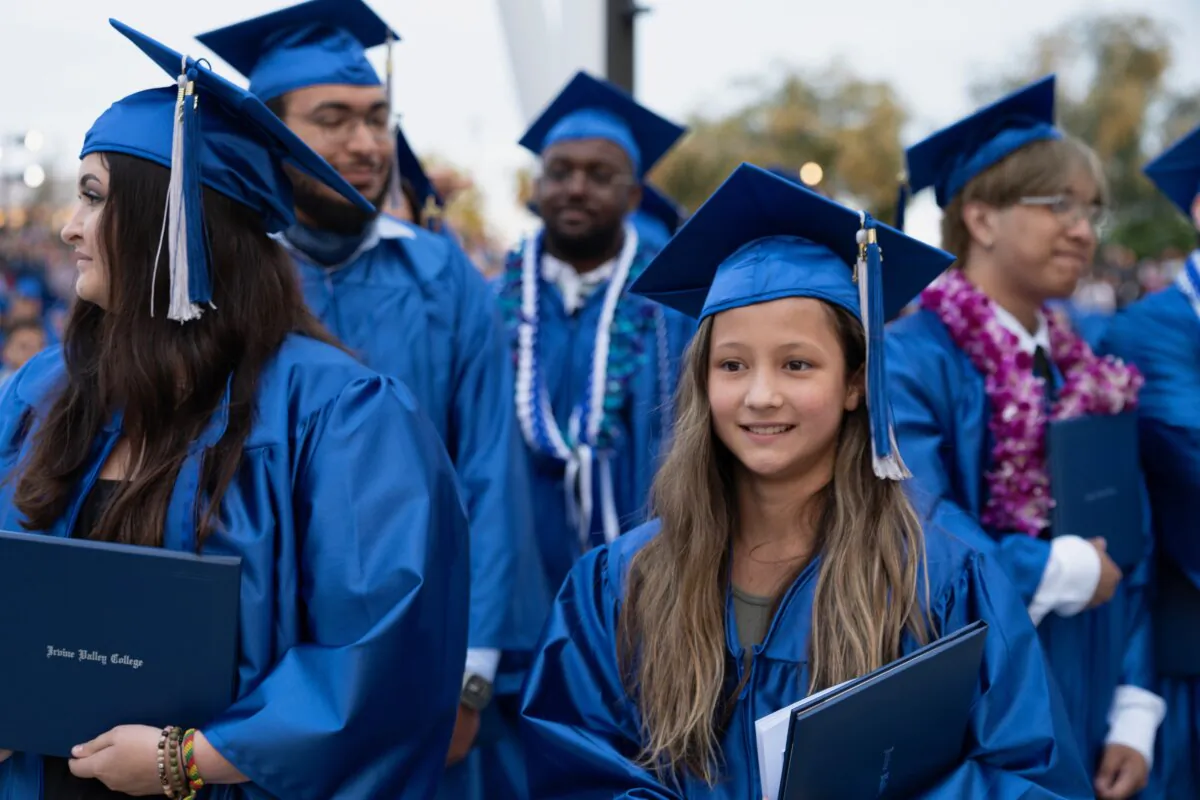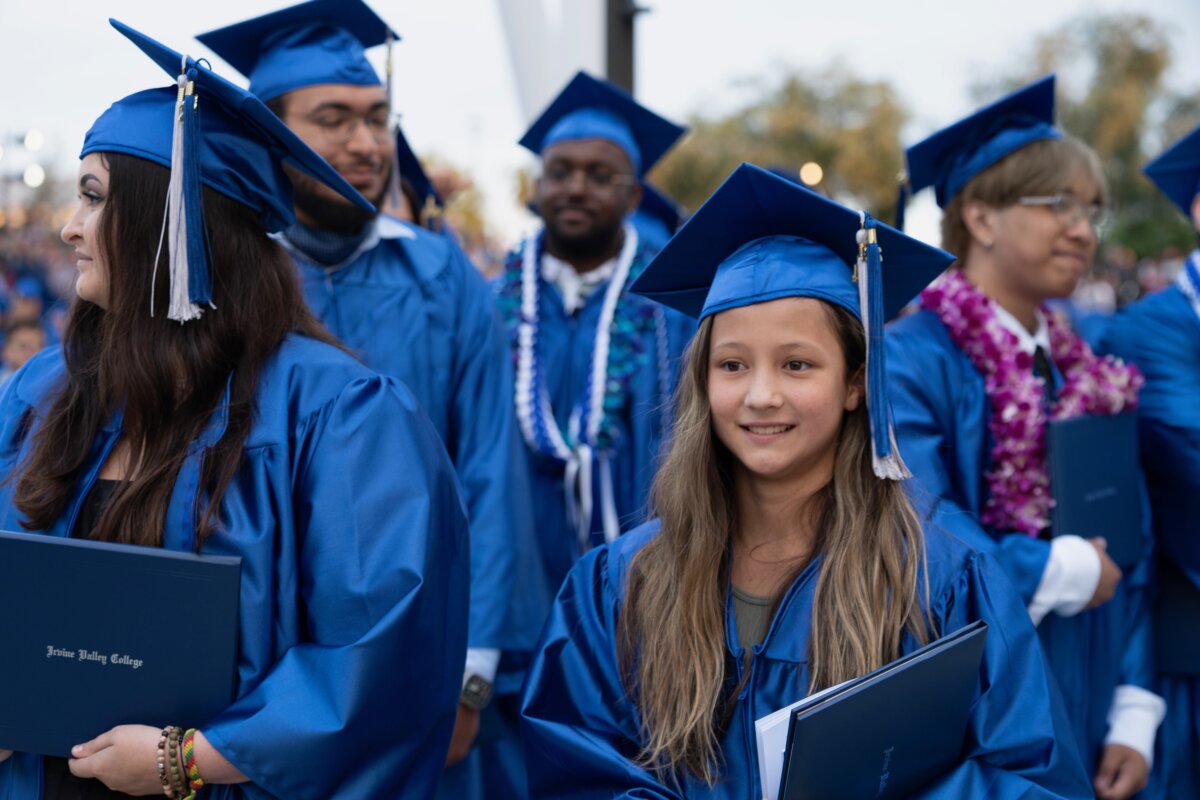

At Brigham Young University–Idaho, the University of Maine at Augusta, and Hartwick College in upstate New York, many first-year students who just started their fall semester will graduate in 2029.
Those three are among more than 60 higher education institutions that offer accelerated bachelor’s degree programs, and more are on the way to help students save money and accommodate urgent workforce needs across several industries.
This initiative at public universities began in 2022, when the University of Minnesota Rochester, in partnership with the Mayo Clinic and Google Cloud, launched its NXT GEN MED program. It prepares students for administrative careers in the health care system through a combination of year-round online and in-person instruction completed in 30 months, according to the program website.
Since then, four schools in Maine’s public university system and higher education institutions in almost every region of the country, including Hawaii, have implemented three-year bachelor’s degree programs for certain majors in both the humanities and STEM (science, technology, engineering, and math) disciplines.
“What’s opening up here is the possibilities,” Greg DeSantis, associate vice president of postsecondary education for Jobs for the Future, told The Epoch Times.
“This is still very new. It’s not super widespread yet, but there’s a ton of interest.”
A nonprofit workforce development organization, Jobs for the Future, is the lead agency for a new initiative with the education departments of Ohio and Virginia. Those two states will develop 90-credit bachelor’s degree programs by the spring of 2028. They are working with several groups to address policy, curriculum, and accreditation requirements.
“Colleges and universities throughout the country are already offering three-year degrees, but there is no national model,” Scott Fleming, executive director of Virginia’s higher education council, said in a June 25 news release. “This effort will create new pathways for students to pursue their life and career goals while ensuring a rigorous education experience.”
A traditional bachelor’s degree program requires 120 credits over four years. At both public and private schools, students in a variety of majors are required to take general education and elective courses in the humanities, social sciences, arts, physical education, or other areas unrelated to their majors. Eliminating mandates and thus decreasing a degree requirement to under 100 credit hours can be difficult, DeSantis said.
“The focus is on durable skills, and problem solving and communication are important,” he said. “That wide variety of liberal arts is important, but at the same time, some programs must be focused on what you really need to be prepared in that field.”
DeSantis said there are many majors across several universities, especially in engineering and the sciences, where the necessary coursework and minimum hands-on application hours could not be completed in three years.
The instructional options for three-year programs vary. Some are entirely online and targeted to adult students, while some are hybrid to accommodate working professionals.
Hartwick College, a residential private institution based in Oneonta, New York, has an arrangement for traditional students that doesn’t reduce the credit-hour requirement. Instead, high-achieving applicants are eligible to maintain 18-credit course loads in the fall and spring semesters and four credits during the shortened winter term between semesters to complete a bachelor’s program in three years.
Gail Glover, Hartwick spokeswoman, said her school’s Life Balance College initiative was launched 15 years ago.
“Ultimately, this is about balance. Students are weighing their academic ambitions, career goals, financial considerations and personal priorities,” she told The Epoch Times. “What matters is helping each student choose the path that best supports their goals.”
The growth of three-year degree programs comes at a time when U.S. high school students are increasingly participating in dual-enrollment programs in which they earn college credits before receiving their diplomas.
Technical and vocational colleges, meanwhile, offer “stackable credentials” where students can complete certificate programs and credentials for specific jobs while working toward an associate’s or bachelor’s degree.
Still, it’s unknown whether accelerated degrees in fields like applied business management, applied psychology, or applied public administration will be universally accepted by employers or university graduate school admissions offices and not viewed as a “reduced bachelor’s,” says an Aug. 20 report from the RAND Corporation, a global nonprofit research institute.
“Clearly communicating these uncertainties to students will therefore be essential,” the report said.
The American Association of University Professors union and the American Federation of Teachers union staunchly oppose accelerated bachelor’s degree programs, saying they devalue student education and don’t address the root cause of the affordability crisis.
“A bachelor’s degree should both prepare students for the workforce and provide them with deep learning, broad intellectual development, and sustained engagement with faculty and peers—not simply the fastest possible route to the labor market,” the June 28 statement from the two unions said.
“We should reduce the cost of earning a bachelor’s degree, not cut corners and devalue what a bachelor’s degree means.”
 Friends Read Free
Copy
Facebook
Tweet
Friends Read Free
Copy
Facebook
Tweet