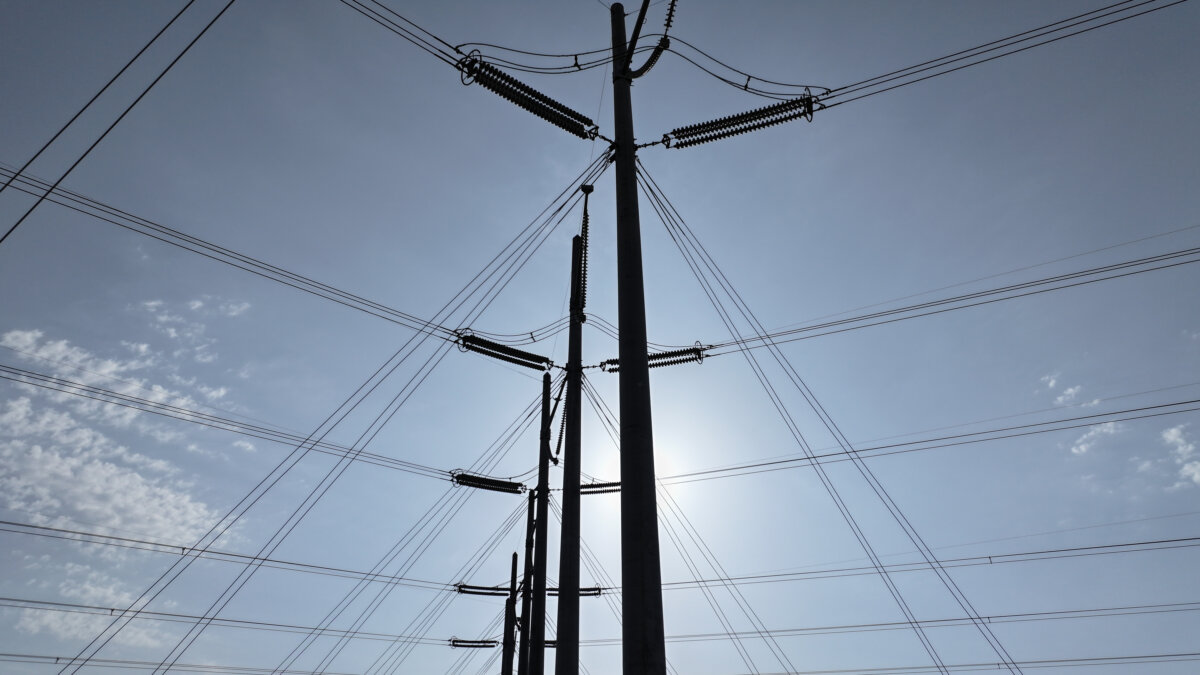

President Donald Trump declared a national emergency on Aug. 26 to secure the national power grid, citing unusual and extraordinary foreign cyber and security threats.
The order prohibits certain foreign-made bulk-power system electric equipment, including software, that poses cybersecurity or operational risks from being purchased or installed in the United States.
“Certain foreign actors are increasingly creating and exploiting vulnerabilities in the United States bulk-power system, which provides the electricity that supports our national defense, vital emergency services, critical infrastructure, and economy,” Trump said in the order.
The order focuses on transactions with foreign nationals that pose the risk of sabotage, unauthorized access, or other disruption, an “undue risk of catastrophic effects on the security or resiliency of U.S. critical infrastructure, or an unacceptable risk to the security of the U.S.,” it states.
The order doesn’t apply to facilities used for local distribution of electric energy, according to the White House.
The energy secretary was ordered to impose conditions on continued use and operation of the equipment as needed to address the security concerns, and to publish rules for operating under the emergency order.
Experts say vulnerabilities in the national power grid present an attractive target for sabotage.
China has been studying how to hack and crash the system, even conducting simulations to identify the minimal effort or cost required to trigger a large-scale outage or systemic collapse, according to a study by cybersecurity researcher Erika Langerova with the Czech Technical University in Prague.
“What amplifies this threat even further is how deeply Western energy infrastructure is being built on Chinese-made technologies,” Langerova wrote in an article published in 2025.
Critical components of zero-emission energy projects rely on Chinese-made hardware and software—often with potential remote access capabilities.
Last year, lawmakers called for an investigation into reports that China potentially installed kill switches in solar panels sold to the United States.
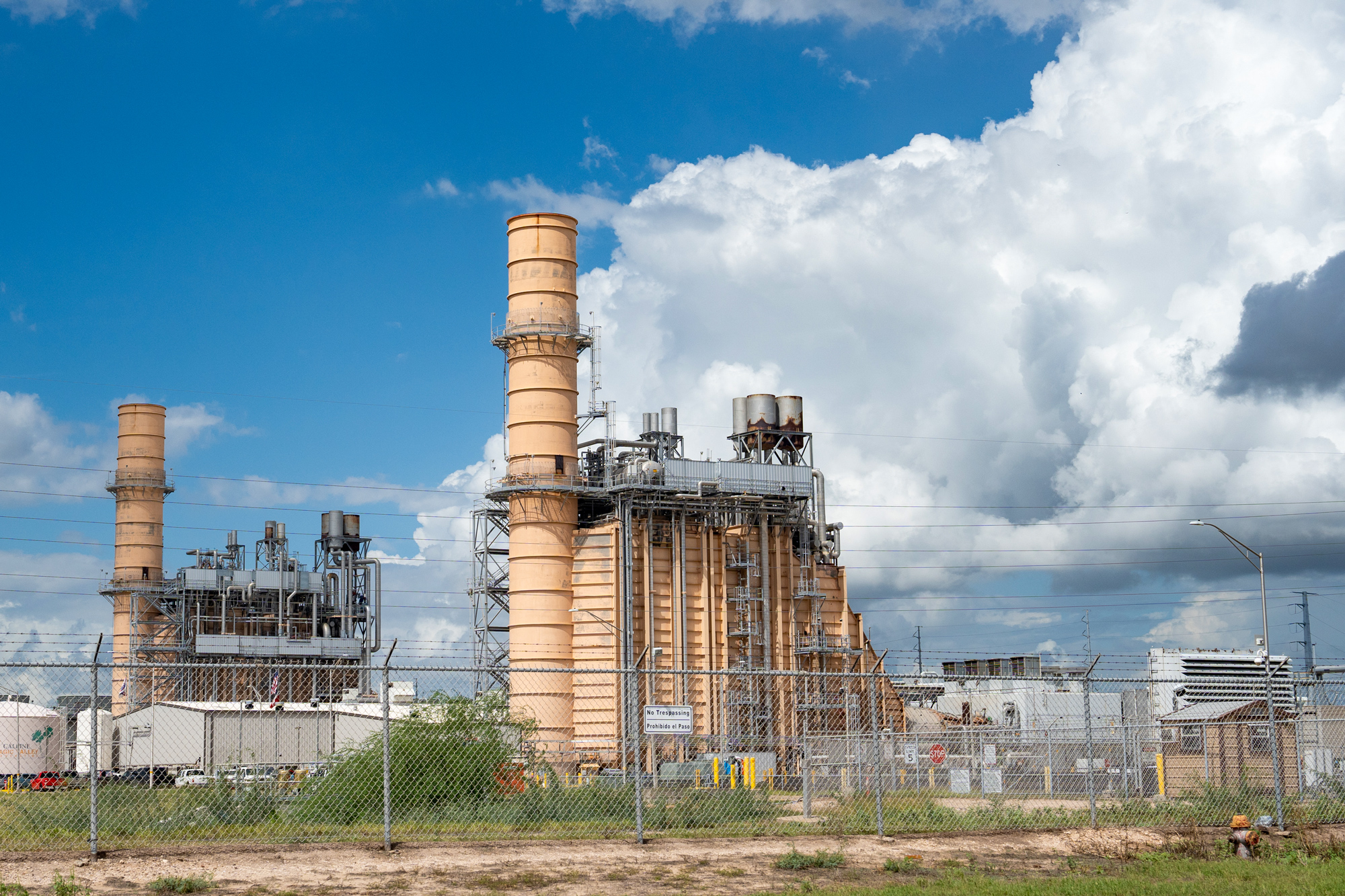 Magic Valley electricity generating station in McAllen, Texas, on Oct. 9, 2025. (Samira Bouaou/The Epoch Times)
“We are concerned about recent reports indicating these [Chinese Communist Party-manufactured] parts and systems allow for remote access, unauthorized data exfiltration, and even operational disruption.”
Foreign cyberhackers have already attacked public utilities this year, according to the U.S. Cybersecurity and Infrastructure Security Agency.
The agency reported last month that more than 100 water and wastewater systems were attacked through programmable logic controllers used to control the physical machinery of the systems. Cyberattackers were able to turn off shutdown alarms and protocols using the programmable logic controllers, which could endanger workers.
The agency also warned in July that Iran-affiliated cyberactivity was targeting internet-connected operational technology devices connected to critical infrastructure.
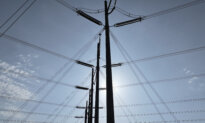
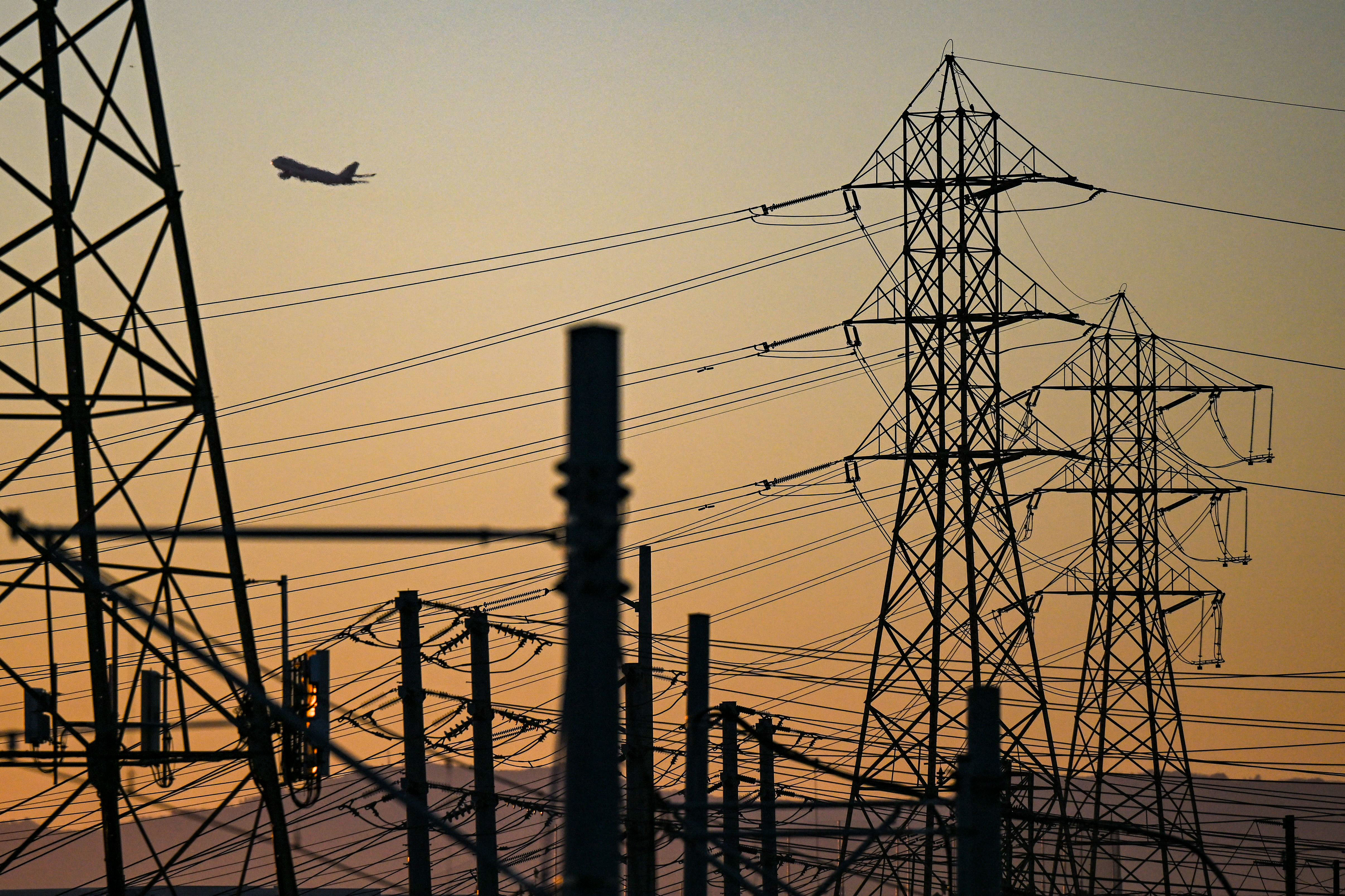 An aircraft takes off from Los Angeles International Airport behind electric power lines in El Segundo, Calif., on Aug. 31, 2022. (Patrick T. Fallon/AFP via Getty Images)
During his first term, Trump used federal law to limit foreign goods that threaten national security. He has used this same law since returning to office to strengthen domestic manufacturing, imposing tariffs on goods such as steel, aluminum, copper, trucks, automobiles, timber, lumber, semiconductors, and pharmaceuticals.
In April, Trump signed an executive order to strengthen and secure the national power grid. The action allowed the energy secretary to use emergency powers to preserve aging and fossil fuel power plants that were scheduled for retirement or closure through climate legislation.
This opened up 17,000 megawatts of energy—enough to power 12.7 million homes, according to the White House.
 Friends Read Free
Copy
Facebook
Tweet
Friends Read Free
Copy
Facebook
Tweet