



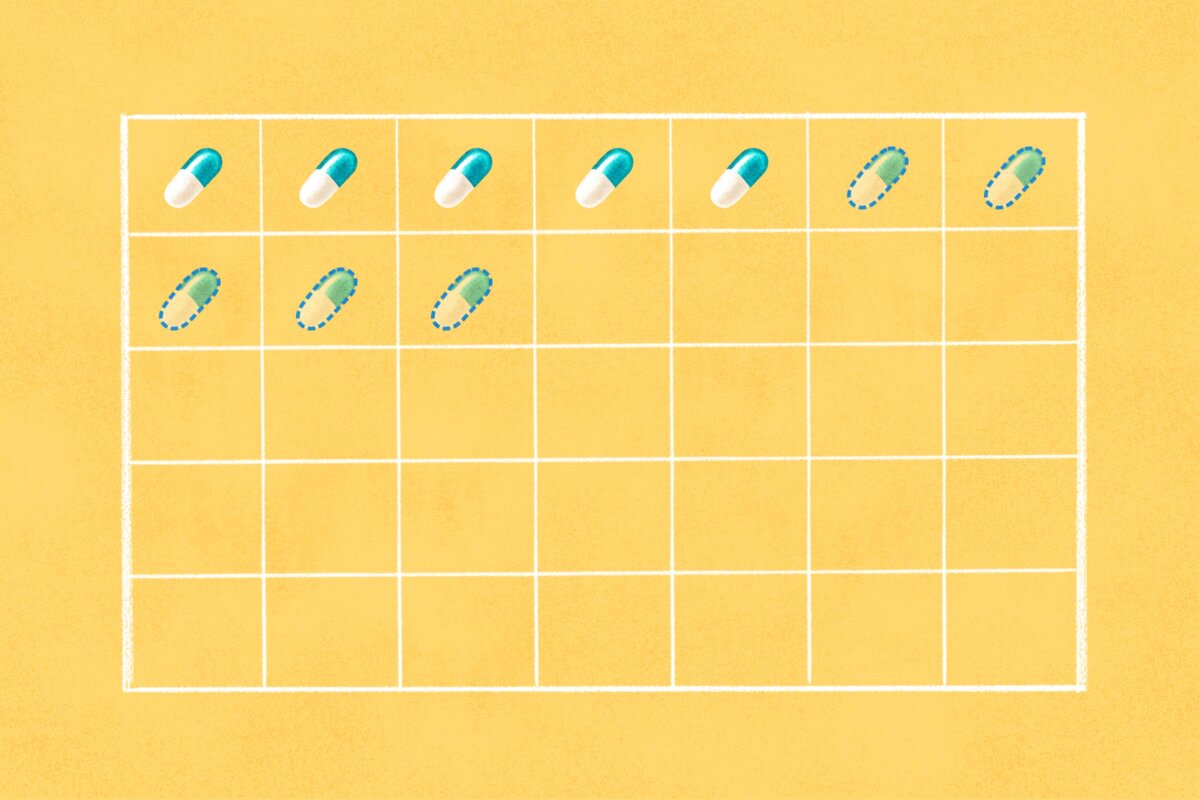
Despite decades of public health messaging urging people to finish their entire antibiotic prescriptions, research suggests that shorter courses of treatment can be just as effective for many infections.
A survey study conducted by scientists at the University of Utah Health and the University of Alabama at Birmingham found that many Americans believe completing the full course is necessary, even when symptoms are gone. However, new evidence shows that for many common infections, shorter courses work just as well—with fewer side effects and less risk of fueling antibiotic-resistant bacteria.
This shift challenges a long-standing rule ingrained in patient habits and medical practice, emphasizing a need for personalized treatment plans rather than one-size-fits-all advice.
Built on Shaky Ground
The study, published in Open Forum Infectious Diseases, surveyed 1,475 adults across the United States. Nearly 90 percent had heard and accepted the message to “always finish your antibiotics.” Sixty percent said they felt more comfortable taking a longer treatment for respiratory infections like pneumonia, even though evidence suggests shorter courses can clear the infection just as effectively, reducing potential side effects.
The original advice aimed to prevent bacteria from surviving and causing a return infection or developing resistance. However, newer studies show that for some infections, shorter treatments effectively clear bacteria without increasing the risk of harm.
Groups such as the American Academy of Pediatrics have already moved toward a “shorter is better” standard for this reason. Shorter courses of antibiotics reduce the chances of antibiotic resistance as well as gut microbiome disturbance.
Longer courses, meanwhile, can disrupt the body’s normal bacteria, raising the risk of gastrointestinal issues, allergic reactions, secondary infections, and resistance.
Doctors Relied on ‘Best Guesses’
Dr. Sharon Nachman, chief of the Division of Pediatric Infectious Disease at Stony Brook Children’s Hospital in New York, and not involved in the study, said the standard duration was never as rigorous as it sounded.
“When in the past we decided how long to a patient with an antibiotic for a specific disease, we relied a little bit on best guesses,” she told The Epoch Times.
Those guesses trace back about 60 years to strep throat studies, where shorter courses of penicillin did not successfully prevent pneumococcal fever in children. This then became “common knowledge” among healthcare providers that 10 days is the optimal treatment time, she said.
The problem is those were older antibiotics, patients weren’t carefully observed, and critically, many of those cases involved a virus—which can’t be treated with antibiotics, she said. “So the antibiotics didn’t need to be done at all, and you got better pretty quickly, and that’s why you stopped your antibiotics, because in fact, it wasn’t bacterial at all.”
Diagnostic tools have since improved. “Over time, new antibiotics have been used, and more importantly, we’re better at diagnosing bacterial versus viral infections,” she said.
How Long Should Treatment Last?
Not all infections can be treated with shorter courses. The appropriate length of treatment depends on the infection type, location, severity, and the patient’s immune response.
Antibiotics only work on bacteria. Fungal infections that reach deep tissue or the bloodstream often require months of antifungal treatment compared to days for most bacterial infections.
Certain bacteria also take longer to kill—Mycobacterium tuberculosis (tuberculosis) requires 6 to 9 months of multi-drug therapy to completely eradicate.
The depth of the infection also affects treatment length. Uncomplicated skin infections, such as cellulitis, might only need 5 to 7 days of antibiotics. Infections in areas with poor blood flow take longer, because it takes more time for the drug to reach an effective concentration there.
Complicated infections take longer to treat. A simple urinary tract infection in an otherwise healthy person can often be treated in 3 to 5 days. But if it spreads to the kidneys or bloodstream, that window stretches to 7 to 14 days or more.
A patient’s immune system also dictates the length of antibiotic treatment. A robust immune system does much of the heavy lifting. Antibiotics only need to clear enough bacteria for the body’s natural defenses to take over and finish the job. Immunocompromised patients—those on chemotherapy, living with advanced HIV, or on immunosuppressants after a transplant—often need longer courses, and sometimes ongoing preventive doses.
The Medical System
The deeper issue isn’t antibiotics, but the conditions doctors now practice under. Few patients have a stable relationship with a primary care provider anymore, Nachman said, and the time doctors are allotted per visit keeps shrinking, making it easier to prescribe an antibiotic than to have a longer conversation about whether one is needed.
She also pointed to a cultural mismatch: TV medicine promises a diagnosis, a treatment, and a recovery inside one commercial-punctuated hour. Real medicine doesn’t work that way, but it’s shaped what patients expect from a seven-minute visit.
The incentives compound the problem: “Someone is looking at [the patient] going, ‘you spent more than 15 minutes on this patient, I’m going to cut your salary back because you didn’t see the requisite 20 patients today, you only saw 15,’” Nachman said. “It’s all about counting patients, and that’s not the way we want to practice medicine, but that’s the way corporate America practices medicine.”