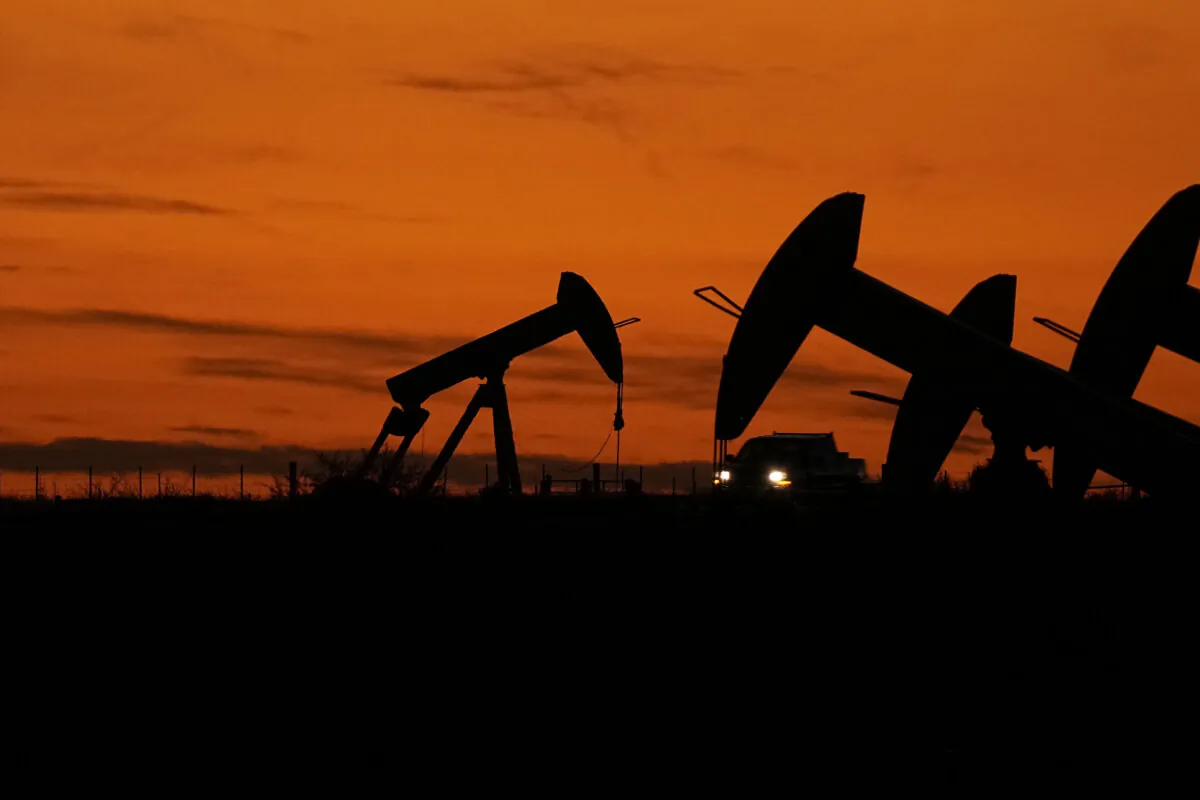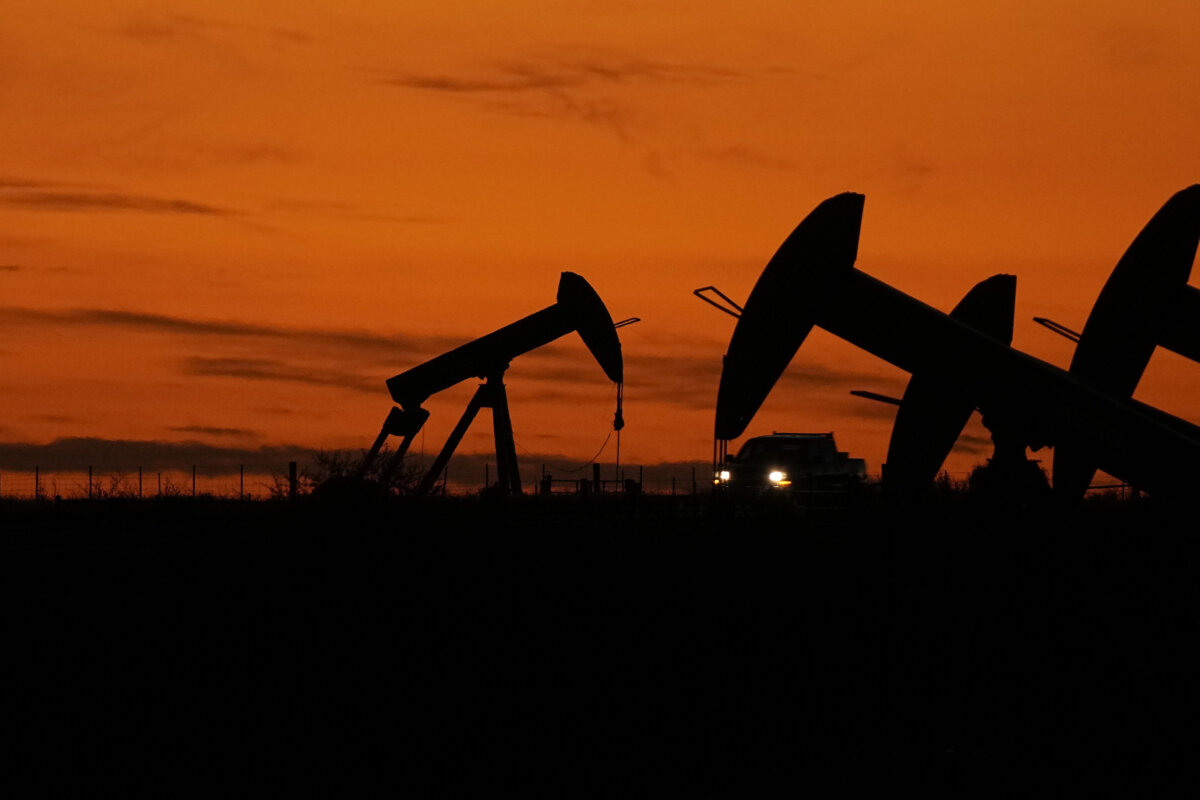

The Department of the Interior (DOI) received more than $4 billion from oil and gas lease sales in Texas and New Mexico, the DOI said in a May 20 statement.
“The Bureau of Land Management leased 74 parcels totaling 33,530 acres during the quarterly lease sale. Combined bonus bids and rental payments from the sale totaled approximately $4,007,944,870,” the DOI said.
“Revenue generated through lease sales is shared between the federal government and the states where the parcels are located.”
The lease sales were conducted in accordance with provisions of the One Big Beautiful Bill Act, signed into law by President Donald Trump in July 2025, which lowered the federal royalty rate for new onshore oil and gas production projects.
Prior to the bill, the rate was 16.67 percent, which dropped to 12.5 percent after its passage. According to the DOI, the lower royalty rate reduces operating costs for energy producers working on public lands.
The move is expected to incentivize more investment, drilling, and leasing activities across the U.S. West, the department said.
The DOI cited a Jan. 20, 2025, executive order, “Unleashing American Energy,” signed by Trump for the department’s continued support regarding energy development on public lands.
In the order, Trump wrote that while the United States was blessed with abundant energy resources, the development of these resources has been impeded in recent years due to “burdensome and ideologically motivated regulations.”
Trump made it federal policy to encourage energy exploration and production on federal lands and waters to meet Americans’ growing energy needs.
Commenting on the lease sales, Interior Secretary Doug Burgum said that Trump was committed to putting the country’s resources to work for the benefit of its citizens.
“This over $4 billion lease sale is another sign that President Trump’s American Energy Dominance Agenda is delivering results. By cutting costs and removing barriers to development, we are unleashing American energy, strengthening national security, creating jobs, and generating significant revenue for taxpayers and local communities,” Burgum said.
The DOI highlighted that while higher energy production on federal lands helps stabilize energy costs for citizens, it also supports industries such as transportation, manufacturing, and national defense.
On March 18, the DOI conducted an oil lease sale in the National Petroleum Reserve–Alaska that attracted 430 bids and netted $163.7 million. This was the first time since 2019 that a lease for energy exploration in the region was held.
A few days earlier, on March 11, a lease sale in the Gulf of America generated more than $46 million.
Some of the administration’s energy development policies have faced criticism. For instance, earlier this year, the Department of Agriculture announced that its Forest Service issued a revised oil and gas leasing rule that speeds up leasing and permitting in the millions of acres of National Forest System lands.
In a Jan. 27 statement, environmental group Sierra Club criticized the policy revision, accusing the Forest Service of fast-tracking “dirty energy projects” in national forests.
“Since his first day back in office, Donald Trump has made it clear he wants to gift wrap our public lands to hand over to billionaires and corporate polluters. Now he wants to fast-track oil and gas drilling projects on national forest lands,” said Mike Scott, Sierra Club’s oil and gas campaign manager.
“This is one more giveaway to the oil and gas industry and the latest example of Trump’s mismanagement of our country’s public lands and energy economy. It’s not ‘energy dominance,’ it’s sacrificing lands, waterways, and wildlife to boost corporate profits.”
However, Agriculture Secretary Brooke Rollins clarified in a Department of Agriculture statement that while the rule provides energy producers the certainty required to expand supply, this would be done while “safeguarding forests and communities.”
Meanwhile, the DOI announced in an April 1 statement that America’s energy production hit “record levels” last year, with offshore oil output hitting the highest annual number on record at more than 714 million barrels.
Officials at the department credited “policy changes aimed at improving regulatory efficiency and providing greater certainty for energy developers” for speeding up investments in offshore projects.
 Friends Read Free
Copy
Facebook
Tweet
Friends Read Free
Copy
Facebook
Tweet