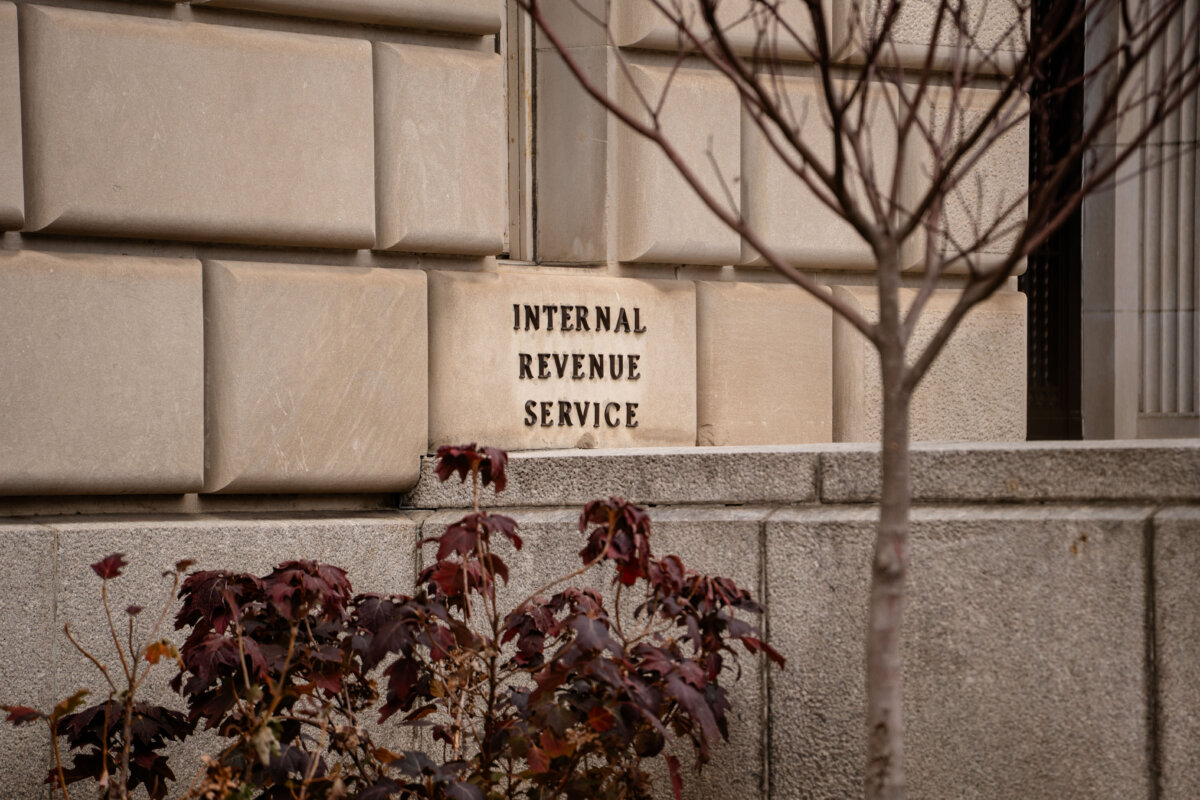

The IRS and the Department of the Treasury have issued final regulations regarding the “no tax on tips” provision of the One Big Beautiful Bill Act, listing the occupations eligible for this tax break.
“The final regulations list more than 70 separate occupations of tipped workers, from bartenders to water taxi operators,” the IRS said in an April 10 statement. “Additionally, the final regulations provide clarification on the definition of qualified tips.”
Under the One Big Beautiful Bill Act, workers who receive qualified tips may claim the deduction for tax years 2025 through 2028. Eligible workers can deduct a maximum of $25,000 per annum under this provision. The deduction begins to phase out for taxpayers with modified adjusted gross income of more than $150,000, or $300,000 for joint filers.
The final rule, published in the Federal Register on April 13, lists eight occupational categories for which this would be applicable: beverage and food service, entertainment and events, hospitality and guest services, home services, personal services, personal appearance and wellness, recreation and instruction, and transportation and delivery.
Qualified Job List
Jobs listed under beverage and food service include bartenders, waitstaff, food or beverage servers, dining room and cafeteria attendants and bartender helpers, chefs and cooks, food preparation workers, fast food and counter workers, dishwashers, bakers, and host staff.
For entertainment and events, qualified occupations include gambling dealers, change persons, booth cashiers, cage workers, sports book writers and runners, dancers, musicians, singers, disc jockeys except for radio, entertainers and performers, digital content creators, ushers and ticket takers, and locker room, coatroom, lobby, and dressing room attendants.
Jobs under hospitality and guest services include baggage porters and bellhops, concierges, maids and housekeeping cleaners, and hotel, motel, and resort desk clerks.
Home maintenance and repair workers, home landscaping and groundskeeping workers, home plumbers, home electricians, home heating and air conditioning mechanics and installers, home appliance installers and repairers, home cleaning service workers, locksmiths, and roadside assistance workers are listed under the home services category.
Under personal services, the jobs listed are personal care and service workers, private event planners, private event and portrait photographers, private event videographers, event officiants, pet and show animal caretakers, tutors, floral designers, visual artists, and nannies and babysitters.
Personal appearance and wellness jobs mentioned in the report include skin care specialists, massage therapists, barbers, hairdressers, hairstylists, cosmetologists, shampooers, manicurists and pedicurists, eyebrow and eyelash technicians, makeup artists, exercise trainers, group fitness instructors, tattoo artists and piercers, tailors, and shoe and leather workers and repairers.
Golf caddies, self-enrichment teachers, recreational and tour pilots, tour guides, travel guides, and sports and recreation instructors are some of the covered recreation and instruction jobs.
Under transportation and delivery, jobs listed include parking and valet attendants, taxi and rideshare drivers and chauffeurs, shuttle drivers, goods delivery people, personal vehicle and equipment cleaners, private and charter bus drivers, water taxi operators and charter boat workers, home movers, gas pump attendants, rickshaw drivers, and pedicab and carriage drivers.
According to the IRS statement, tips that qualify for tax breaks are those paid in cash or an equivalent medium, such as a credit card, check, gift card, or electronic settlement. Tips must be paid voluntarily by the customer.
Tax Benefits
The IRS and the Treasury have received more than 300 comments, with a public hearing on the issue held on Oct. 23.
“Taxpayers are already benefiting from no tax on tips since the IRS already is issuing refunds to eligible workers,” IRS CEO Frank J. Bisignano said.
“Given the wide variety of workers who receive tips, these final regulations help implement an important tax benefit for American workers.”
An April 1 statement from the House Committee on Ways and Means said the no tax on tips provision would cut taxes by $1,300 on average for tipped workers.
More than 3.5 million such workers have already benefited from the tax break. Moreover, almost half of taxpayers who have filed their tax year 2025 returns as of March 10 have claimed at least one tax cut from the One Big Beautiful Bill Act, including no tax on tips, the statement reads.
Ways and Means Committee Chairman Jason Smith (R-Mo.) said that millions of tipped workers are expected to get billions of dollars in overall tax cuts from the provision.
“When I was traveling in my district, I met a waitress who is getting a $10,000 tax refund from all the different provisions in the Working Families Tax Cuts, including No Tax on Tips,” Smith said in the April 1 statement, referring to the One Big Beautiful Bill Act.
 Friends Read Free
Copy
Facebook
Tweet
Friends Read Free
Copy
Facebook
Tweet