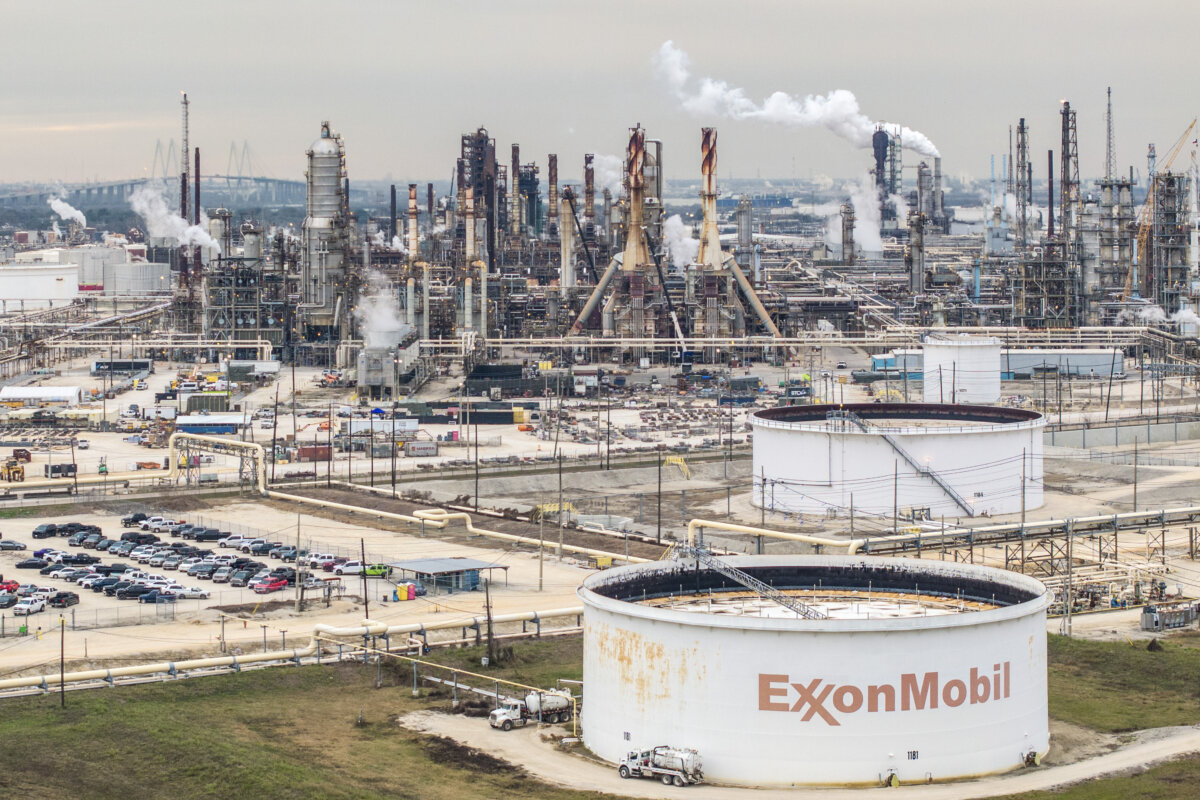

A federal judge dismissed an antitrust lawsuit in which Michigan accused four major oil companies of acting as a cartel to block renewable energy.
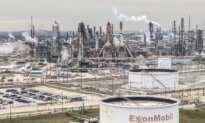
U.S. District Judge Jane Beckering in Grand Rapids on Tuesday rejected a lawsuit filed in January by Michigan Attorney General Dana Nessel, a Democrat, against BP, Chevron, Exxon, Shell, and the American Petroleum Institute.
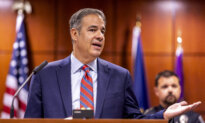
Nessel claimed they caused Michigan residents to suffer “artificially high home and transportation energy costs.”
She said that defendants acted “as a cartel in an unlawful conspiracy in restraint of trade to forestall meaningful competition from renewable energy in order to maintain their dominance in the transportation energy market and primary energy markets in Michigan and nationally in order to reap windfall, and illegal, profits.”
The complaint said that the defendants’ conspiracy “restrained competition in the primary energy market by suppressing renewable alternatives like solar and wind power in favor of fossil fuels.”
The judge said antitrust laws protect against none of the injuries for which Michigan sought a remedy, except for energy overcharges.
“The distance is too great between the alleged conspiracy and Michigan’s and its residents’ overcharges to find that the conspiracy proximately caused the overcharges,” Beckering said.
Other judges have rejected similar climate lawsuits, including in Delaware, Maryland, New Jersey, New York, Pennsylvania, Puerto Rico, and South Carolina.
A lawyer for Chevron previously called Michigan’s lawsuit “baseless as demonstrated by multiple related court dismissals.”
“Michigan’s lawsuit was part of a coordinated campaign against an industry that is vital to everyday life and serves as the engine of America’s economy,” the American Petroleum Institute’s SVP and general counsel Ryan Meyers told The Epoch Times by email.
“Climate policy is a federal, not state, issue, and we are pleased with the court’s decision.”
The Justice Department (DOJ) had submitted a brief in support of the companies in the Michigan lawsuit.
“Michigan is attempting to impose liability for wholly out-of-state conduct related to global greenhouse gas emissions and regulate that conduct under state law,” the department wrote.
“Federal law exclusively governs interstate air emissions, including remedies for global climate change.”
It said that Michigan is attempting to use state law to “hold energy producers liable for a worldwide problem caused by indivisible greenhouse gas emissions, all because the problem has far downstream alleged effects in Michigan that are no different from, and may indeed be dwarfed by, alleged effects in other states or other parts of the world.”
The Epoch Times has contacted Attorney General Dana Nessel’s office to ask if the state will appeal.
The Epoch Times contacted BP, Chevron, Exxon, and Shell for comment but received no reply by publication time.
The Trump administration has also taken legal action against the Democratic-led states of Michigan, Hawaii, Vermont, and New York over their climate-related actions, alleging that they interfere with federal authority and the country’s energy development, according to the DOJ.
The DOJ in May 2025 accused the four states of overreach through their climate laws and lawsuits.
“These burdensome and ideologically motivated laws and lawsuits threaten American energy independence and our country’s economic and national security,” then-Attorney General Pamela Bondi said in a statement at the time.
“The Department of Justice is working to ‘Unleash American Energy’ by stopping these illegitimate impediments to the production of affordable, reliable energy that Americans deserve.”
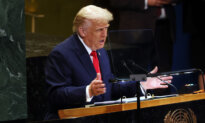
The lawsuits against the four states followed President Donald Trump’s April 2025 executive order designed to protect American energy from state overreach, which stated that the nation’s energy independence is threatened when state and local governments seek to regulate energy beyond their statutory authorities.
In 2023, California Attorney General Rob Bonta, backed by Newsom, sued California’s biggest oil producers for “climate change-related harms,” including extreme drought, flooding, and wildfires. A judge paused the litigation in April this year as the Supreme Court takes up the companies’ request to quash similar lawsuits.
Reuters and Rachel Acenas contributed to this report.
 Friends Read Free
Copy
Facebook
Tweet
Friends Read Free
Copy
Facebook
Tweet