
The United States has one of the highest numbers of human trafficking cases in the world, and according to The Heritage Foundation, well over half (56.1 percent) of those deal with sex trafficking. But a secondary issue for many of these innocent captives is that a criminal record—including drug possession, theft, or prostitution forced by their captors—can follow them for life.
There are now organizations trying to help erase these criminal consequences legally.
“We have found the courts to be very sympathetic to these women specifically,” Joseph Project founder and CEO Nate Knapper told The Epoch Times. “We feel that by giving them legal counsel, we’re giving them a louder voice in the criminal justice system. And they tend to win, giving them a much better future than they would have now.”
Based in Grosse Pointe, Michigan, Joseph Project works tirelessly to legally help trafficking victims remove criminal record impediments keeping them from having a good job, getting involved in politics, owning a gun, obtaining legal immigration status, or just ridding their lives of the shame that accompanies their experience. By employing criminal law attorneys who donate their time and expertise, the nonprofit has helped clear or expunge the criminal records of over 300 trafficking victims since 2018.
Misconceptions
“I think that some people have misconceptions and lack sympathy, thinking these women did something to get involved or made bad decisions, and this [criminal record] is their just desserts. That’s not the case in the overwhelming cases I’ve seen,” Joseph Project attorney Kelsey Dane said to The Epoch Times. “These women grew up in difficult situations, and traffickers are very skilled in getting into these women’s lives.”
One of the best-known victories for the organization is the case of Leslie King, who received the first-ever Gubernatorial pardon in Michigan for a victim of trafficking just days before Christmas last year.
“A lady called from the governor’s office and said: ‘I would like to congratulate you. The governor is so impressed with what you’ve done with yourself, she’s granted you a pardon,’” Ms. King said. “I couldn’t do anything but throw my hands up to God and scream. And I felt that ball just break off my ankle. I’m free. I’m totally free.”
Ms. King was sex trafficked at the age of 15 in Grand Rapids and, for 20 years, endured sexual exploitation, violence, and drug addiction. She later returned to the streets, offering counseling and resources supporting women experiencing the same traumas she had.
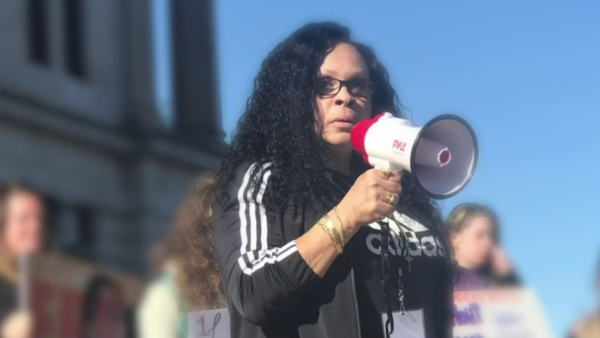 Leslie King. (Courtesy of the Joseph Project)
While a gubernatorial pardon is improbable for the vast majority of formerly sex trafficked victims trying to expunge or erase a criminal record, Ms. King’s victory, which took two years, wouldn’t have been possible without the legal work of those attorneys working with Joseph Project. Its name comes from the Biblical account of Joseph, a survivor who transitioned from exploitation to empowerment.
Mr. Knapper said his organization’s clients range in age from teens to 60, but most are older. “The majority of the people we work with are adults, and they run the gamut in ethnicity. We have worked with U.S. Caucasians and African Americans, Guatemalans, and Mexicans. Where they share a commonality is their level of vulnerability. Many had suffered from drug addictions and came from broken families.”
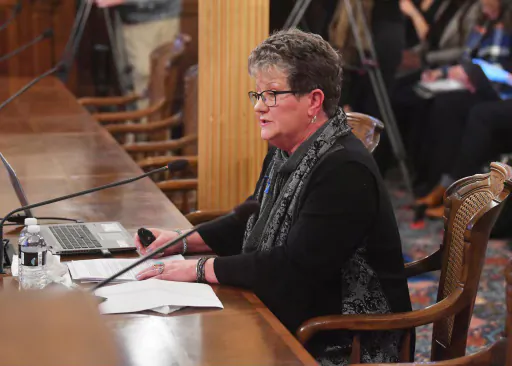
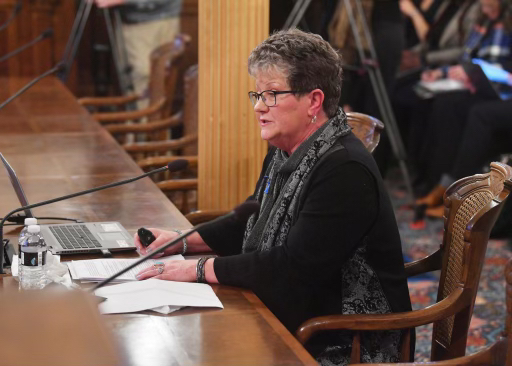
In addition to Ms. King, others who have benefitted from the Joseph Project’s legal work have become staunch public advocates. Survivor Ruth Rondon told her personal story of trafficking and court victory at a joint meeting of the Michigan House Health Policy Committee and House Appropriations Subcommittee on Health and Human Services in January 2020.
“Today, 30 years later, I try to support victims who are struggling, who are still trapped,” Ms. Rondon told the legislators. “I find that they, too, are up against a broken system and a huge lack of resources.”
Closing the Border Is ‘Only One Solution’
Since its inception, attorneys from small, medium, and large law firms have worked tirelessly, pro bono, for Joseph Project. Ms. Dane, who worked on the Rondon case, said she was drawn to the nonprofit because of its mission.
“They reached out to our firm looking for attorneys, and because my practice area was criminal defense, it was a good fit. There’s a lot of reasons attorneys go into this profession, and for me, I wanted to help people. When you see an opportunity like this show up in your inbox, it’s an obvious opportunity to help someone,” she said. “It’s one of the most fulfilling experiences I’ve had in my years as an attorney.”
Mr. Knapper, an attorney and federal law enforcement officer, believes that awareness of the trafficking issue is heightening because of stories in the news and especially the success of the human trafficking movie “Sound of Freedom.”
But he adds there are still many misconceptions about how to get to the core of the issue. “When you talk to people about human trafficking, a lot of times the immediate reaction is, well, if we just closed the border. I have to say, based on the research and news reporting, there’s some merit to that, but it’s only one solution,” he said.
 Friends Read Free
Copy
Facebook
Tweet
Friends Read Free
Copy
Facebook
Tweet