
The months-old White House Faith Office wants to see the United States as the leader in advancing religious freedom, its faith director Jennifer Korn said.
“We were founded by religion, we were founded by faith in God, and you can look at the founders’ founding words and the prayers that they had,” she said during an interview with “Capitol Report,” broadcast by The Epoch Times’ sister media outlet, NTD. “So we need to get back to those roots and make sure that we are that beacon of freedom for others.”
Korn made the remarks having in mind countries in which religious freedom is under threat, such as communist China.
“I can’t tell you how many people of faith from different countries who moved to the United States are begging us: please do not let what is happening in other countries happen to the United States,” she said.
“For any faith leaders that might say, we don’t want to get involved in politics, this is not politics. This is policy. This is policy that affects you in your churches, in your synagogues and your temples. And it matters what you have to say.”
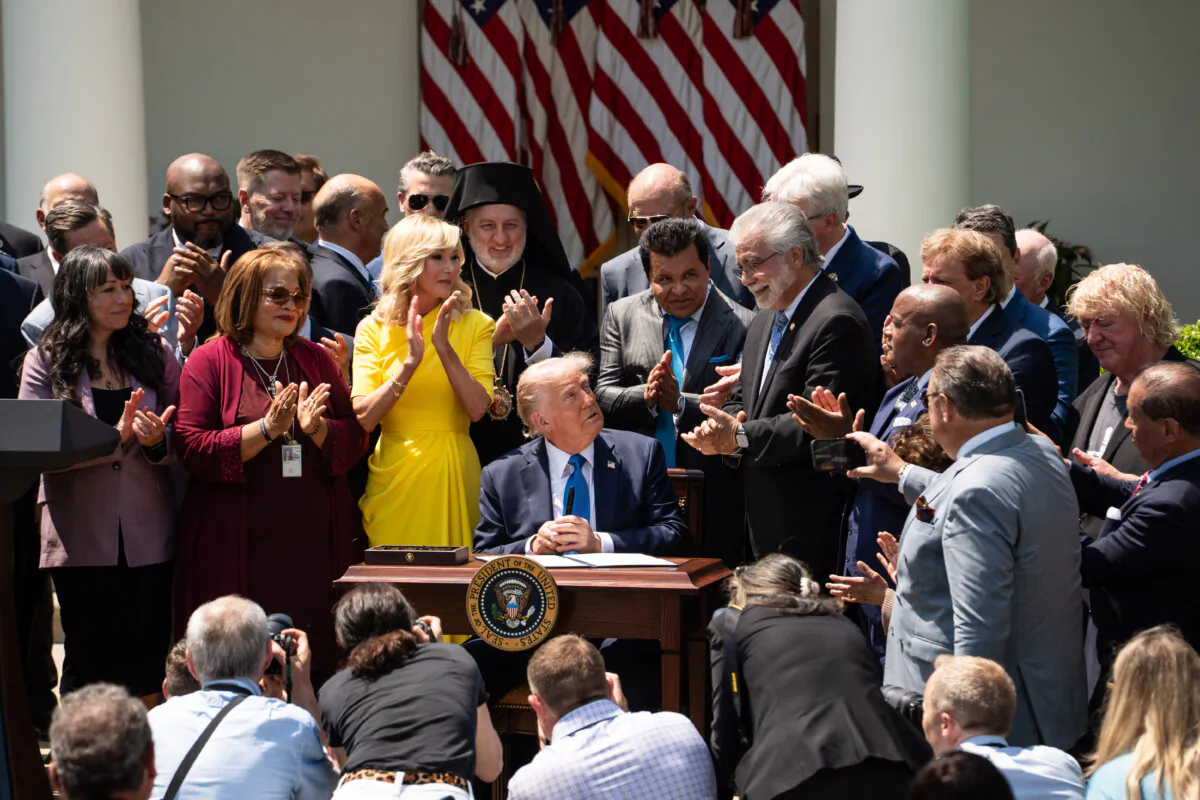
President Donald Trump in February created the faith office to “empower faith-based entities, community organizations, and houses of worship.”
A White House statement described the organizations as having “tremendous ability to serve individuals, families, and communities through means that are different from those of government and with capacity and effectiveness that often exceeds that of government.”
Right now, the office is about halfway through hiring the faith directors that will be a part of every executive department, Korn told The Epoch Times at CPAC Latino in Florida.
“The White House faith office is not the pastor of the White House. We’re not the theology office. We are there to give people of faith a voice in their government,” said Korn, who served in both the George W. Bush administration and the first Trump White House and is now the deputy assistant to the president.
“It’s hard to remember that we’ve only been in office less than six months,” she said, adding that they are “going to do so much more” in the next three and a half more years.
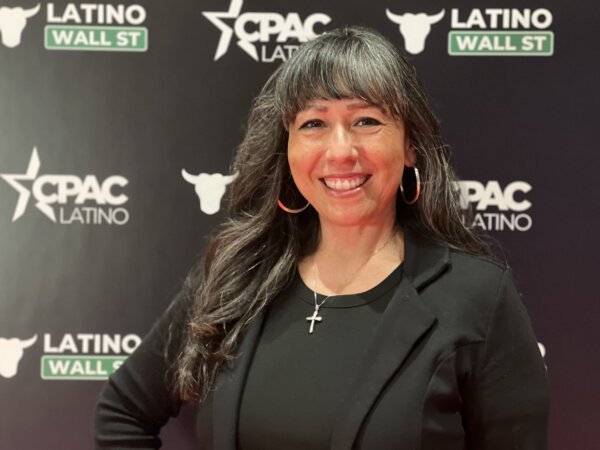 Jennifer Korn, the faith director at the White House Faith Office, at CPAC Latino in Hollywood, Fla., on June 28, 2025. (The Epoch Times)
Trump joined Korn in the office’s first national call days ago to address faith leaders across the country. A technical glitch delayed the call by more than 20 minutes, Korn said, but Trump stayed on.
“The President with that busy schedule said, ‘This is too important, I’m going to stay here and I’m going to speak to 10,000 faith leaders from every denomination, every state, and every ethnic background,’ because that’s how important faith is to him,” she said.
Trump during the call thanked faith leaders “for all the amazing works that they do,” Korn said. Toward the end of the call, she said, Trump made a note of the one-year countdown to America’s 250th birthday and stressed that “faith and family are going to be a huge part of that.” He invited the faith leaders to partake in the activities leading up to it.
Faith holds personal significance for Trump, Korn said. While Trump rarely discusses his belief, he went to Sunday school during his formative years. During Trump’s inauguration in January, First Lady Melania Trump held up his personal Bible—a gift from his mother at age 9 to mark his Sunday school graduation.
“When you see those pictures or videos of him praying with pastors or faith leaders, it’s real. It’s not for the cameras. He does that on camera and off camera,” Korn said. She noted the two gold cherubs that Trump has installed at the Oval Office.
“Whenever anybody comes in, he points out the angels and how they’re looking over the people looking over him. And truly, he knows that because of God, he’s there.”
Korn said her office is “hard at work making sure that the government is staying out of faith and that people of faith can help shape that policy.” Along with a federal task force and the Religious Liberty Commission, which advises the faith office, the Trump administration has been making efforts to counter bias against Jews, Christians, and other faiths, she said.
She said that people of faith have faced discrimination from the federal, state, and local governments “for far too long.”
The separation of church and state, she said, “does not mean that people of faith can’t have a voice in their government. It means that the government can’t dictate to them what religion they should be.”
 Friends Read Free
Copy
Facebook
Tweet
Friends Read Free
Copy
Facebook
Tweet