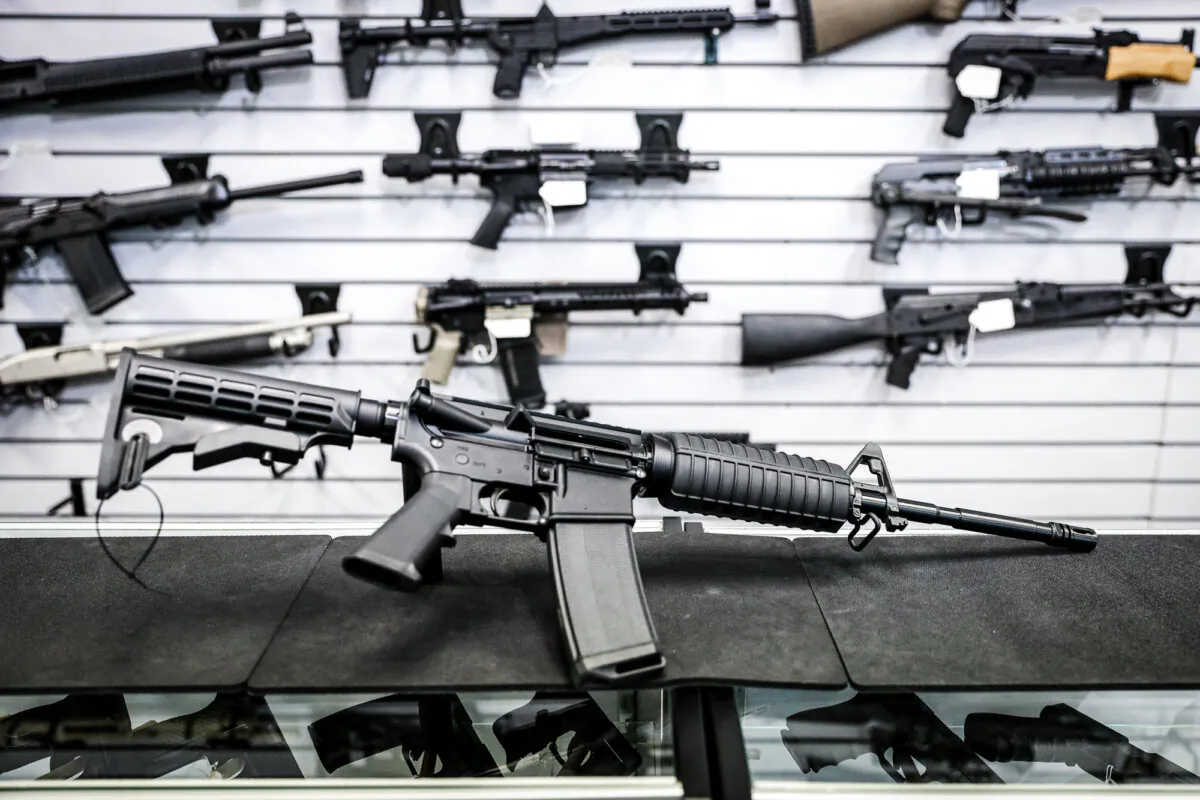

A group of activists from both sides of the firearms debate developed a package of eight proposed gun policies they believe both sides can accept.
The project, Bridge the Divide on Firearm Policy, is led by Dr. Michael Siegel of Tufts University. Siegel said the project is unprecedented in the gun debate.
The 23 members included lawyers, veterans of the gun control and gun rights movements, gun dealers, religious leaders, health care workers, and military veterans. They met online monthly in 2025 and had two in-person sessions.
They didn’t begin with politics.
“We took a lot of time at the beginning to get to know each other. We found that there was a lot of common ground,” Siegel told The Epoch Times.
The policies cover some of the thorniest issues in the gun debate.
These include background checks, child firearm access and safe storage, community violence intervention, dealer regulation and gun trafficking, extreme risk protection orders, injury prevention education, suicide prevention, and keeping guns out of the hands of people who are prohibited from having them.
Siegel said that in his 13 years of researching firearms issues, he found that gun control proponents disproportionately influenced policy. He said it seemed to him that Second Amendment advocates had been frozen out of the process.
In 2023, he delved into gun culture and realized the differences weren’t as stark as they appeared. He found that gun owners care about safe communities, their constitutional rights, and keeping guns away from criminals.
Siegel concluded that effective policy would only come when both sides were involved.
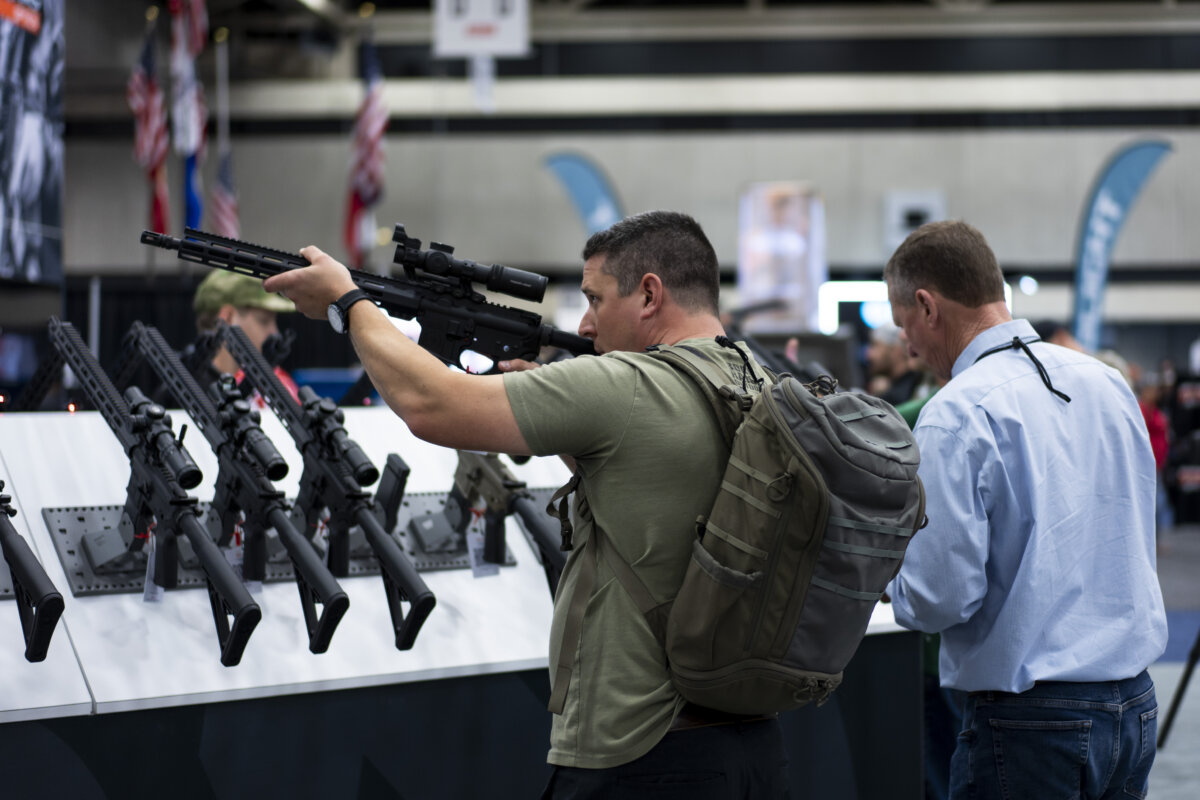
“The idea was let’s get people together and let’s talk, and let’s compromise,” Siegel said. “Let’s find a way to decrease gun violence, but at the same time, actually protect Second Amendment rights.”
Richard Aborn, a veteran of the gun control movement, expressed a similar sentiment. Aborn headed up the former Handgun Control, Inc., which eventually became the Brady Campaign to Prevent Gun Violence.
He said that for years, both sides have “engaged in vitriol,” squelching reasonable discussion with angry rhetoric portraying the other side as the enemy.
“We forgot that the people who were most impacted by this were not sitting with us, and that was a huge loss,” Aborn said.
One of Aborn’s former adversaries, Rob Pincus, executive vice president of the Second Amendment Organization and a gun rights activist, said the project would have failed without real discussion.
“Everyone gets to listen, and everyone gets to be heard,” Pincus said.
The former adversaries harbor no illusions about how the policy package will be received.
“There was a lot of contention possible in this room, but I think there’s some really good ideas in this package,” Pincus said.

Policies likely to stir debate cover background checks and extreme risk protection orders, the so-called red flag laws.
The National Instant Criminal Background Check System has been controversial since it was established in 1993. Both sides have complained that the system allowed people who were prohibited from buying guns to buy them and incorrectly blocked law-abiding buyers.
Bridging the Divide’s policy would establish a state-level process. This would alleviate one problem, that some data don’t make it into the NICS system, which should make the process more efficient, the policy states.
Background checks would be required for all private sales, something gun rights advocates have strongly opposed. The policy also provides exemptions for certain transfers.
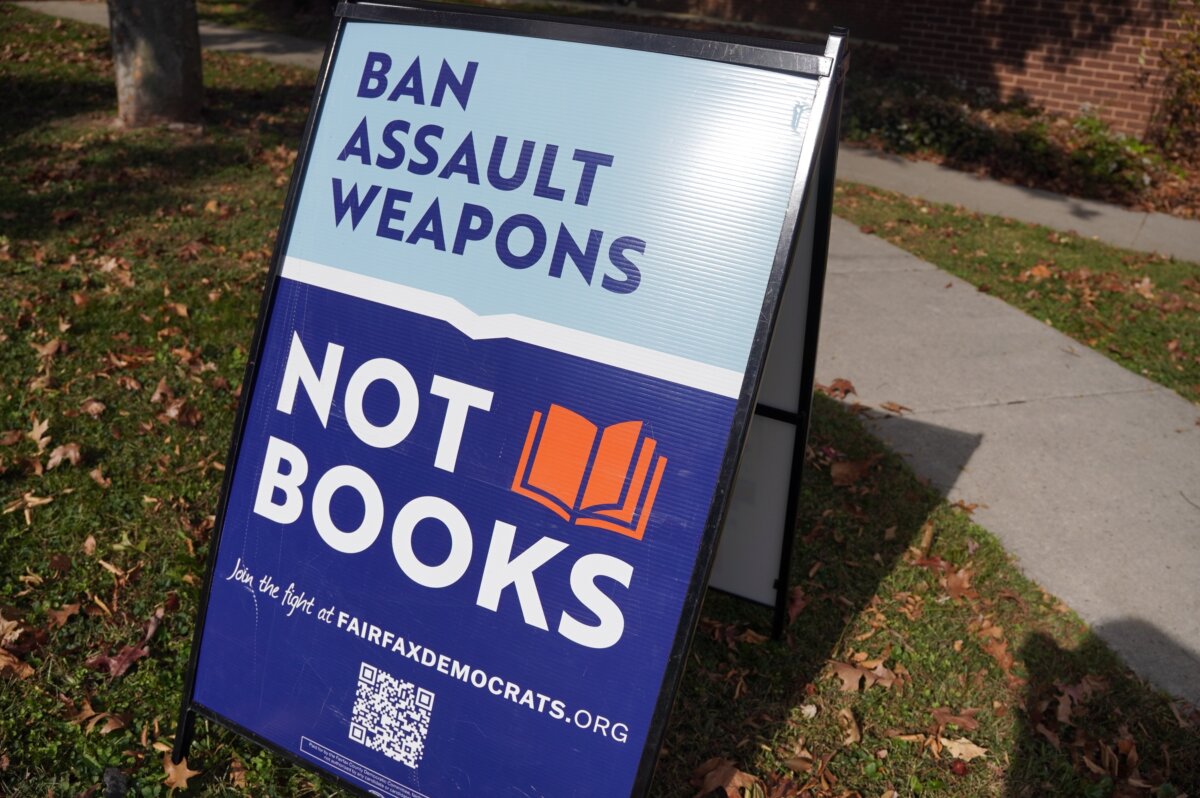
The panel’s report also addresses a key plank of the gun control platform, the banning of certain semiautomatic rifles commonly known as assault rifles.
Siegel said his research shows that such a ban restricts gun owners’ rights more than it promotes public safety.
“I’ve evaluated the evidence, and based on my research, we just don’t see any effect of those laws [on public safety],” Siegel said.
He said keeping all guns from some people is more effective than keeping some guns from all people.
This is the basis of the red flag law proposal.
It calls for strict due process and penalties for those who make false reports.
It would also allow the subject of a red flag order to transfer his guns to a private storage facility rather than surrendering them to the state. It also calls for mental health care services.
When it comes to people who are prohibited from buying guns, the policy states that those who have committed violence in the past are most likely to continue that behavior. So people convicted of violent misdemeanors could lose their gun rights.
However, the policy would allow those convicted of nonviolent felonies to have their Second Amendment rights restored.
Participants in the process said no one member got everything he wanted. However, they said that their most pressing concerns were addressed. And, more importantly, they said they know they can come together as needed to work out issues that may arise.
“We really learned how to listen,” Aborn said. “We have to stop this divisiveness as a nation. It leads us no place good.”
 Friends Read Free
Copy
Facebook
Tweet
Friends Read Free
Copy
Facebook
Tweet