
Pfizer and its partner Valneva said on March 23 that their experimental Lyme disease vaccine did not meet the target in a clinical trial, but that the results were strong enough that the firms will seek regulatory approval for the shot.
The vaccine, known as LB6V, was about 75 percent efficacious in reducing confirmed Lyme in recipients compared with placebo recipients, the companies said. The efficacy was measured one day after the fourth vaccine dose, and was similar to the 73 percent efficacy observed 28 days after the fourth shot.
The drugmakers said that because there were fewer Lyme cases than expected during the trial, dubbed VALOR, the predetermined statistical target was not met. However, because the efficacy was “clinically meaningful,” the companies expressed confidence in the shot and said they would be filing for approval.
“The efficacy shown in the VALOR study of more than 70 percent is highly encouraging and creates confidence in the vaccine’s potential to protect against this disease that can be debilitating,” Annaliesa Anderson, Pfizer’s chief vaccines officer, said in a statement.
Valneva CEO Thomas Lingelbach said: “[The results] bring us a step closer to our goal of delivering a much-needed vaccine.
“We are grateful to our partner Pfizer for their strong commitment which we both share in developing this vaccine as quickly as possible.”
Valneva previously estimated that the vaccine could garner as much as $1 billion globally, and said it expected to file for approval by the end of 2026.
The Food and Drug Administration “does not comment on or discuss specific drug applications or approvals,” a spokesperson for the administration’s parent agency, the Department of Health and Human Services, told The Epoch Times in an email.
“The FDA’s drug approval process is grounded in a rigorous, science-based review of data submitted by sponsors to determine whether a drug is safe and effective for its intended use,” the spokesperson said. “This process includes preclinical testing, clinical trials, and a comprehensive evaluation of benefits and risks before any approval decision is made.”
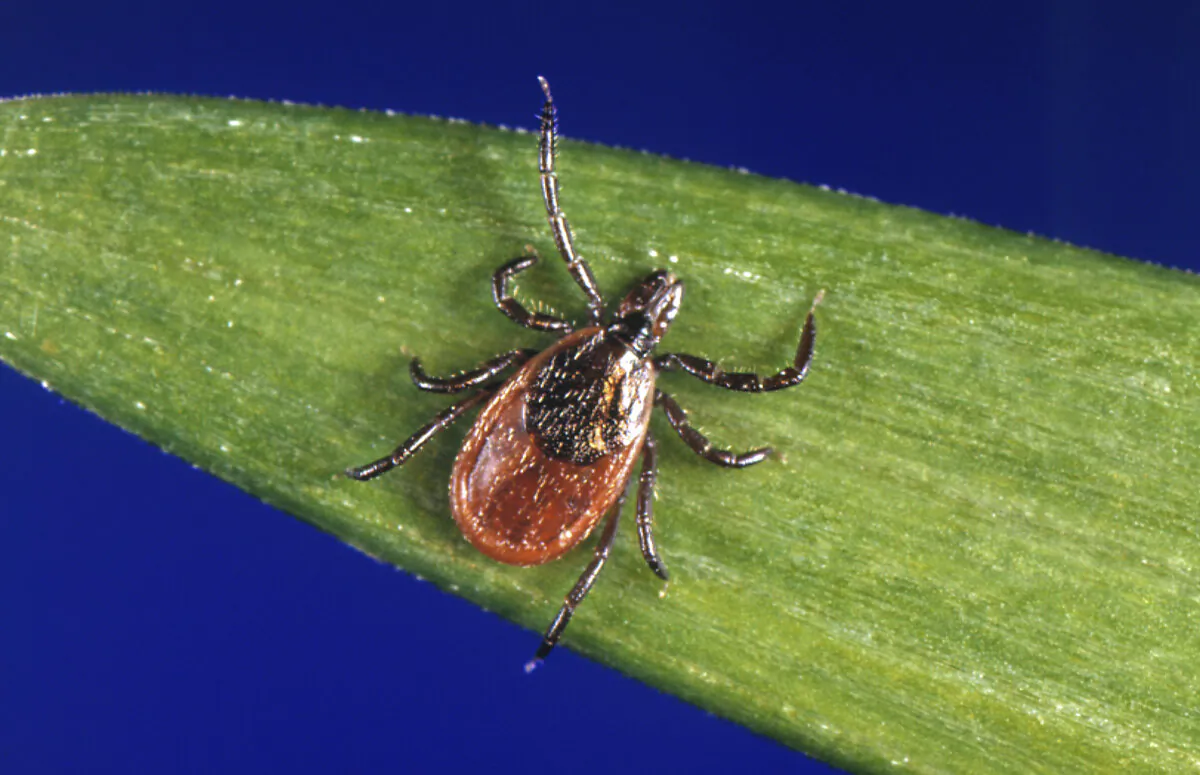
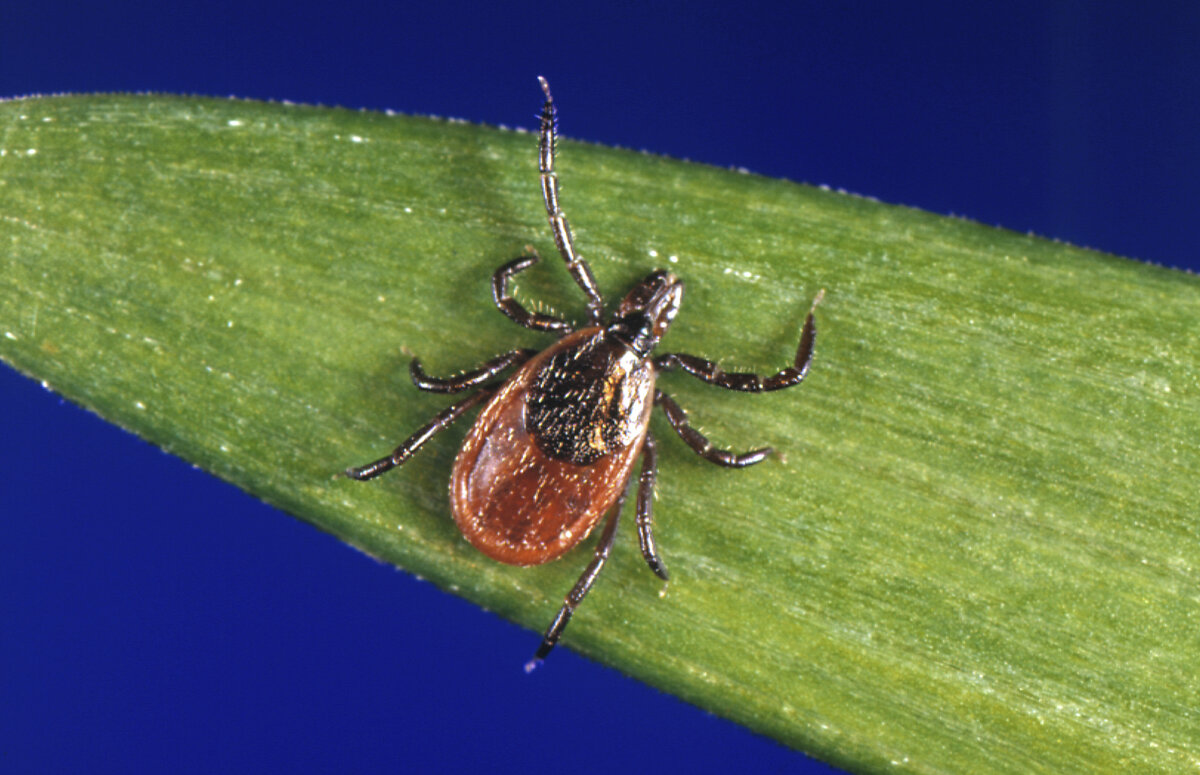
Lyme disease is caused by bacteria that are typically transmitted by tick bites. Ticks are arachnids that latch on to people and bite them.
Tens of thousands of Lyme disease cases are recorded each year in the United States by state officials, and research indicates that the true number of patients may be in the hundreds of thousands annually.
No human vaccines for Lyme disease are currently approved.
LB6V, a protein vaccine, targets the bacteria that cause Lyme disease by blocking a surface protein they express.
The VALOR trial started in 2022 and has been conducted in the United States, Canada, and Europe among people aged 5 and older, who were randomized to vaccine or placebo arms.
The vaccine arm received a second dose two months after the first, a third dose four to seven months later, and a fourth dose one year after that.
Exclusion criteria included pregnant women, people with a recent known tick bite, and those with certain ailments, such as chronic skin conditions.
 Friends Read Free
Copy
Facebook
Tweet
Friends Read Free
Copy
Facebook
Tweet