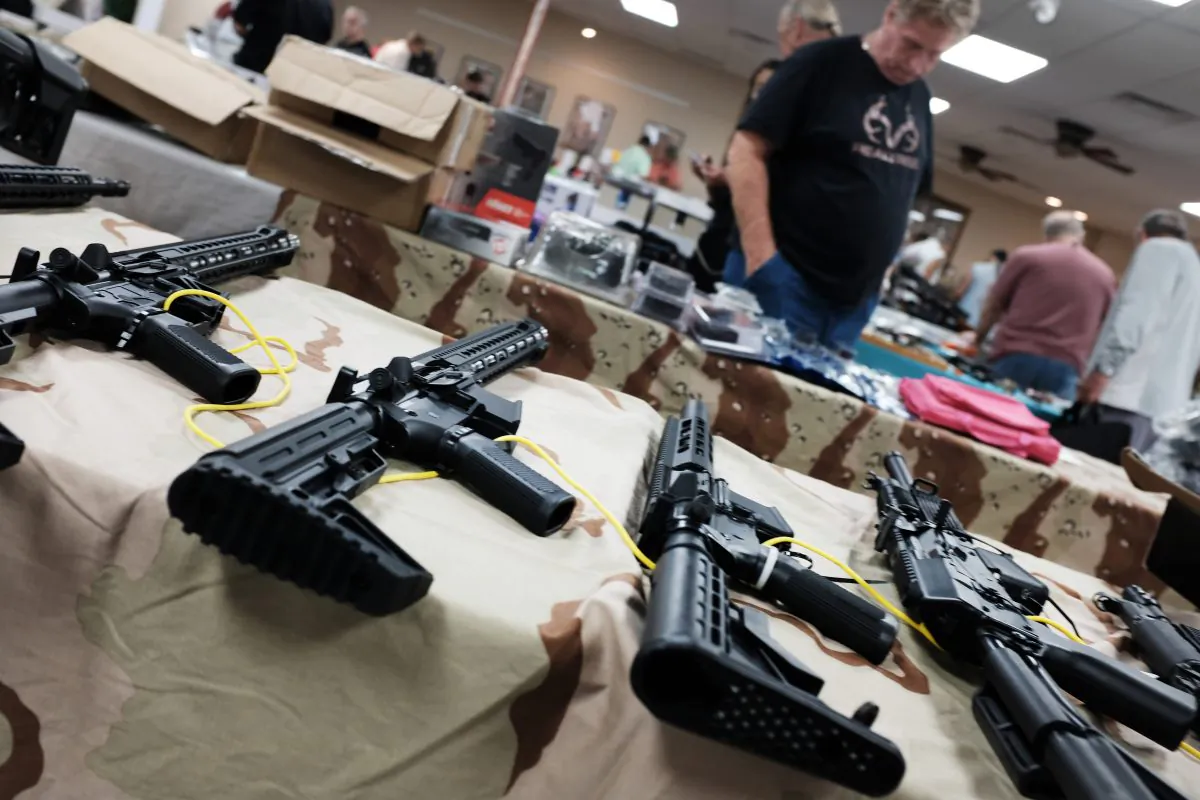

Florida’s three-day waiting period to purchase a gun could be a thing of the past if a U.S. district judge for the Middle District of Florida signs off on an agreement between the plaintiffs and Florida’s attorney general.
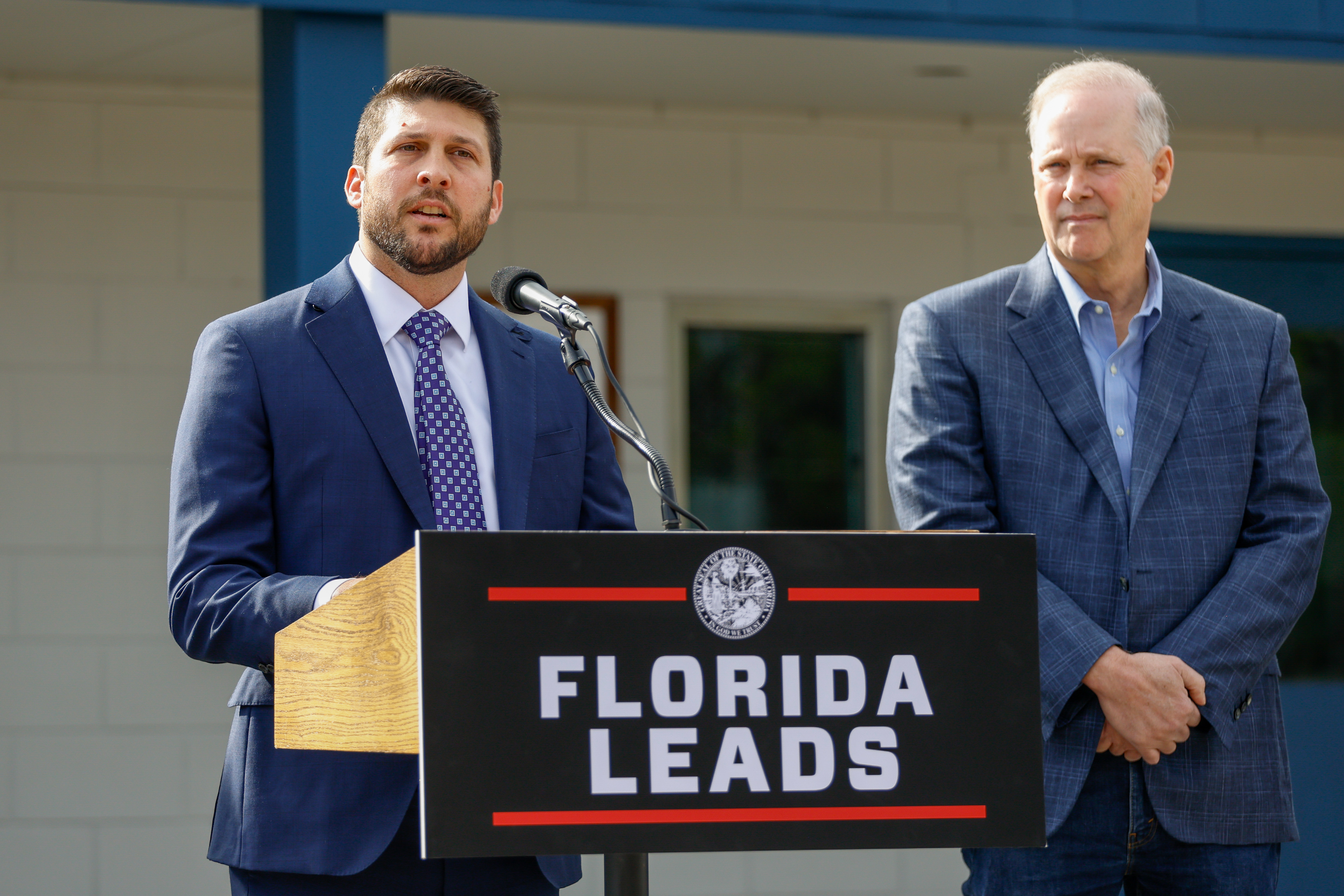
Attorney General James Uthmeier offered on June 5 to settle Dunn v. Glass, a lawsuit challenging the waiting period as unconstitutional.
The agreement calls for the state to permanently stop enforcing the waiting period within 14 days of its approval and to pay $10,000 to cover the plaintiffs’ legal costs.
The National Rifle Association, a plaintiff, issued a statement praising the development.
“Law-abiding Floridians should never be delayed from exercising their fundamental rights. This is a major victory, and we look forward to the court permanently striking down this restriction,” John Commerford, executive director of the National Rifle Association Institute for Legislative Action, wrote in the statement.
The lawsuit was filed in August 2025 by Florida resident Mitchell James Dunn. According to the lawsuit, Dunn attempted to purchase a pistol from Sentry Firearms of Jacksonville, Florida, on Aug. 25, 2025.
The lawsuit states that Dunn passed his background check within moments of buying the gun. However, he was told that he could not take delivery of the pistol because of the waiting period law.
Plaintiffs Josiah Jeffrey Burnham, Jeremy Ronald Hesson, and Mauricio Figueroa joined the lawsuit after reporting identical experiences at gun dealers in other Florida locations.
The gun dealers also joined the suit, saying the waiting period harms their businesses by hampering their ability to serve their customers.
Mountain States Legal Foundation and the National Shooting Sports Foundation assisted the plaintiffs in the lawsuit against Uthmeier, Florida Law Enforcement Commissioner Mark Glass, and 20 state attorneys.
In the settlement, Uthmeier called the waiting period “arbitrary.” He wrote that it did not meet the standard set in the landmark 2020 U.S. Supreme Court decision in New York State Rifle and Pistol Association v. Bruen.
In Bruen, the court ruled that gun control laws must comport with the language of the Second Amendment and have a historical analog from the time of the Second Amendment’s ratification in 1791.
Under Florida law, any county may impose a three-to-five-day waiting period between the purchase and delivery of any firearm.
Uthmeier wrote: “Those waiting period restrictions burden the right to keep and bear arms.
“As the government cannot meet its burden to establish a historical tradition of regulation that justifies an arbitrary waiting period unconnected to the time required to complete a background check, they are unconstitutional under the Second Amendment.”
Proponents of waiting periods say the laws save lives by preventing access to guns by people who may be operating under emotional stress or dealing with a mental health crisis.
“Creating a buffer between someone having a suicidal crisis and access to a gun can be the difference between life and death. Waiting period laws require gun buyers to wait until a certain period of time has passed before they are able to access a gun they have purchased,” the Everytown for Gun Safety website reads.
In a post on X, Uthmeier wrote that the waiting period denies Americans’ right to keep and bear arms. This epitomizes the opposite of what a government office should do, he stated.
“Every government office, including mine, exists to protect your God-given rights as enshrined in the U.S. Constitution,” he said.
 Friends Read Free
Copy
Facebook
Tweet
Friends Read Free
Copy
Facebook
Tweet