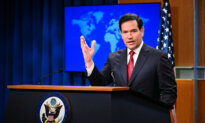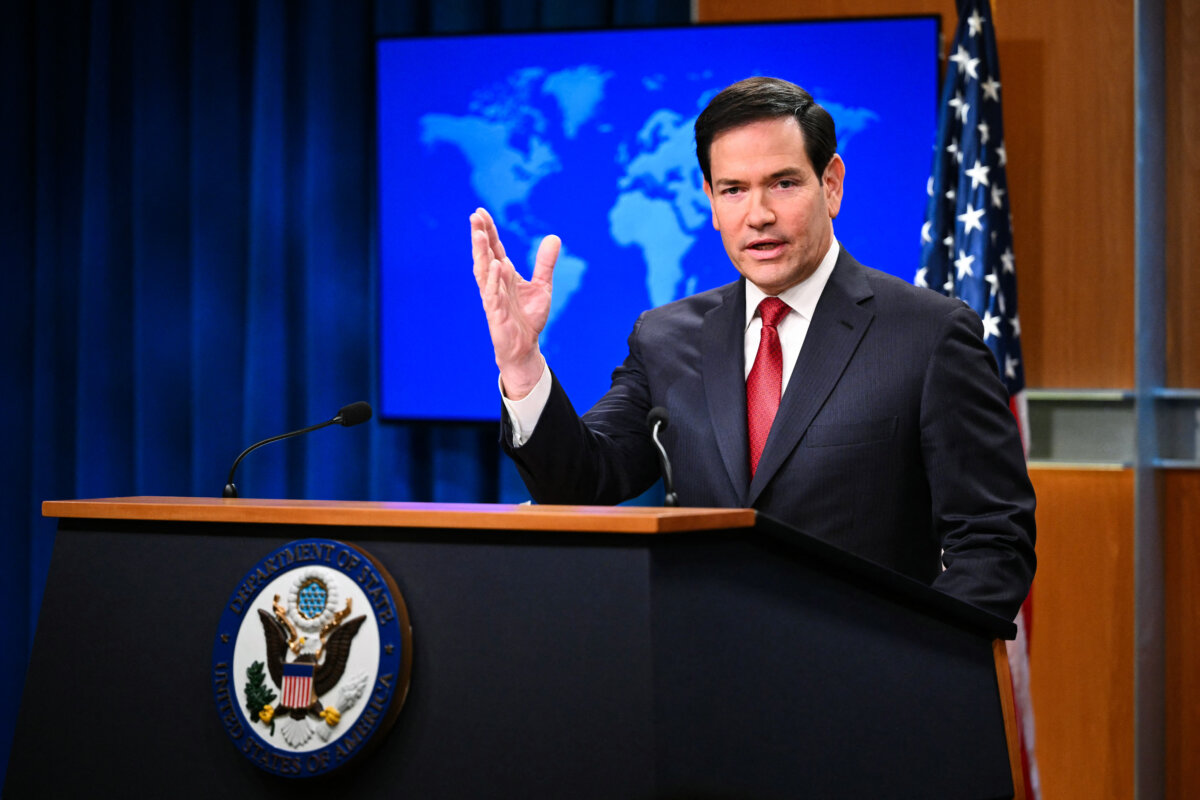

U.S. Secretary of State Marco Rubio has revoked the privileges of senior Iranian officials and their family members to be in the United States, the Department of State said in a Jan. 29 post on X.
“As the people of Iran continue to fight for their basic rights, [Rubio] took action this week to revoke the privilege of Iranian senior officials and their family members to be in the United States. Those who profit from the Iranian regime’s brutal oppression are not welcome to benefit from our immigration system,” said the post.
Iran saw widespread public protests break out in late December, which were initially triggered by people’s discontent with high inflation, rising living costs, and the crash in the value of Iran’s currency.
The protests have since expanded into demonstrations against the ruling regime, with people calling for the overthrow of the Islamic Republic. President Donald Trump has repeatedly warned Tehran not to execute protesters, failing which the regime would face action from the U.S. military.
Tehran has violently clamped down on the protesters. According to a Jan. 29 report by the Human Rights Activists News Agency, there have been 6,479 confirmed deaths within 33 days of the protests.
Of these deaths, 6,092 were protesters, 214 were government-affiliated forces, 118 were children under the age of 18, and 55 were non-protesting civilians. More than 11,000 civilians are reported to have been injured, while there have been 281 cases of forced confessions.
The Epoch Times could not independently verify the accuracy of these numbers.
Rubio’s ban on Iranian officials and their family members is one of the latest actions taken by the Trump administration to step up pressure on the regime.
On Jan. 28, Trump said that a “massive armada” is heading toward Iran.
Trump said in a Truth Social post that it was “moving quickly, with great power, enthusiasm, and purpose,” while urging the regime to make a deal on nuclear weapons.
Responding to Trump’s threats, the Permanent Mission of the Islamic Republic of Iran to the United Nations said that, if pushed, Iran would defend itself and “RESPOND LIKE NEVER BEFORE!”
The message added that Iran was ready to engage in “dialogue based on mutual respect and interests.”
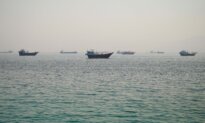
On Jan. 23, the Department of the Treasury announced increasing pressure on Iran’s “shadow fleet” for oil transportation.
The department’s Office of Foreign Assets Control is implementing sanctions on nine shadow fleet vessels, and their owners or management companies that collectively have transported hundreds of millions of dollars’ worth of Iranian oil to global markets, according to the Treasury.
Under the sanctions, properties of the designated entities and individuals that are in the United States or in the control of U.S. persons are blocked.
“The Iranian regime is engaged in a ritual of economic self-immolation—a process that has been accelerated by President Trump’s maximum pressure campaign. Tehran’s decision to support terrorists over its own people has caused Iran’s currency and living conditions to be in free fall,” Secretary of the Treasury Scott Bessent said.
“Today’s sanctions target a critical component of how Iran generates the funds used to repress its own people. As previously outlined, Treasury will continue to track the tens of millions of dollars that the regime has stolen and is desperately attempting to wire to banks outside of Iran.”
The State Department said in a Jan. 23 statement that the action would further limit Tehran’s ability to export its oil via “obscure and fraudulent mechanisms.”
The department affirmed that the United States will continue implementing the National Security Presidential Memorandum 2, signed by Trump on Feb. 4 last year.
The presidential action called on the administration to impose “maximum pressure” on the Iranian regime to end its nuclear threat, stop the support for terror groups, and limit its ballistic missile program.
Meanwhile, a U.S. institution has dismissed the services of an Iranian regime family member following complaints.
Georgia-based Emory University School of Medicine announced that Fatemeh Ardeshir-Larijani, a doctor who is the daughter of a senior Iranian government official, is no longer employed with the institution, according to a Jan. 24 post by The Emory Wheel, the university’s student-run newspaper.
A few days earlier in a Jan. 22 post on X, Rep. Buddy Carter (R-Ga.) had called for her removal from the university.
“Her father, Ali Larijani, is a senior official of the Islamic Republic of Iran who openly calls for violence against Americans. Her ties to the largest state sponsor of terrorism are unacceptable and serve only to erode patient safety, public trust, and national security,” he wrote.
 Friends Read Free
Copy
Facebook
Tweet
Friends Read Free
Copy
Facebook
Tweet