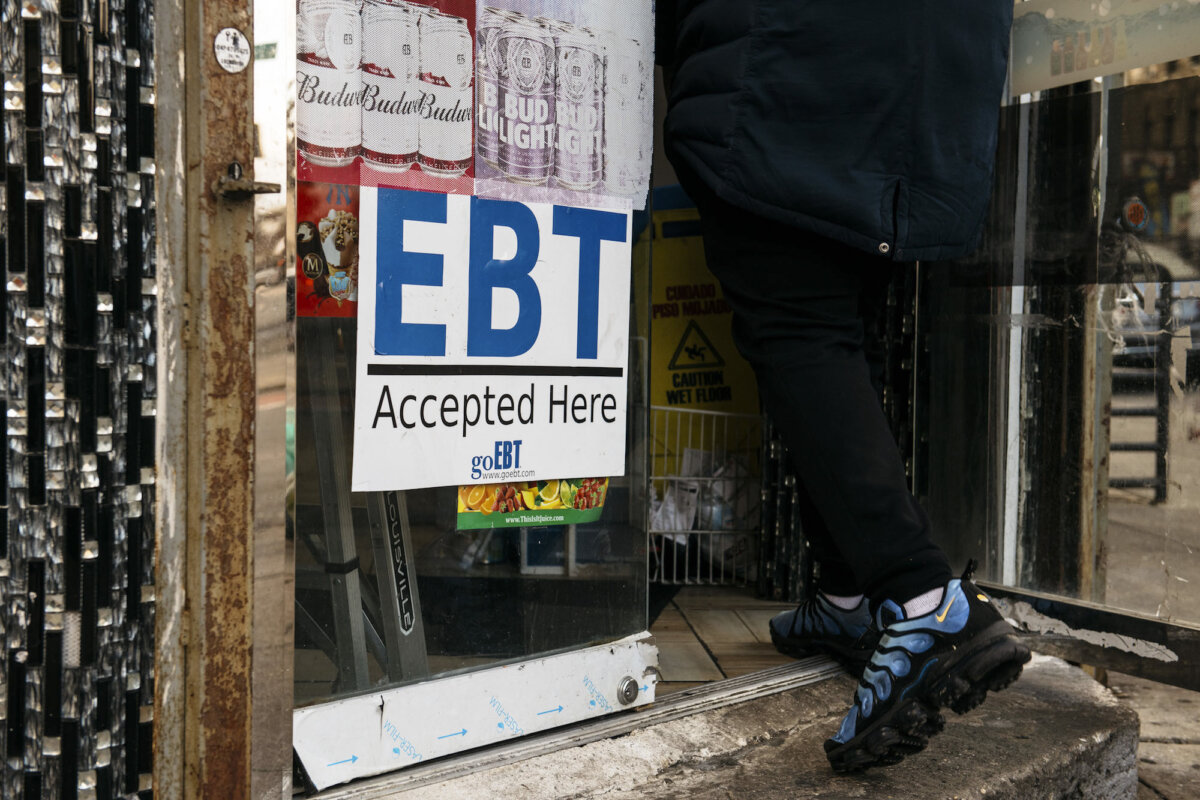

Food stamp recipients who have saved up benefits may not be able to use the money soon if the government shutdown persists, state officials say.
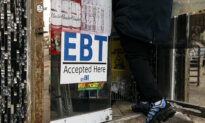
Recipients receive money to purchase food under the Supplemental Nutrition Assistance Program (SNAP).
“The SNAP retail system may disallow purchases beginning on Nov. 1 even if you have funds in your account,” the Arkansas Department of Human Services said in an Oct. 22 statement.
“The ability to use existing funds after October 31, 2025, remains unclear,” Oklahoma officials stated.
Some other state officials say existing benefits will still be accessible in November and beyond if the government does not reopen.
To prepare for the possibility that funds are not accessible, people should buy shelf-stable foods, officials said.
People who are able to should “use your current benefits thoughtfully to purchase shelf-stable foods or essentials,” the Hawaii Department of Human Services said in a statement.
Recipients should also be prepared to go to food banks or food pantries, state officials said.
Some 42 million Americans receive food stamps through SNAP in an average month. Participants receive an average of $187 a month; the program costs taxpayers about $100 billion a year.
Congress could not reach an agreement for new government funding, so the government shut down on Oct. 1.
SNAP benefits for October were already funded, but no funding has been approved for November and beyond as the shutdown drags on, imperiling benefits for recipients.
“If the current lapse in appropriations continues, there will be insufficient funds to pay full November SNAP benefits for approximately 42 million individuals across the nation,” the U.S. Department of Agriculture (USDA), which administers SNAP, told state SNAP directors in a letter on Oct. 10.
At least one state has already stopped giving additional funds to SNAP recipients.
Pennsylvania officials said that SNAP benefits have not been paid since Oct. 16 and will not receive any food stamps until the government shutdown ends and Pennsylvania receives money from the government.
Many other states say that the benefits will stop coming in on Nov. 1, absent new funding being approved.
“All Louisiana SNAP recipients should be aware that there will be no new benefits added to their cards starting November 1st unless the federal government in Washington, DC reopens,” Louisiana Health Secretary Bruce Greenstein said in a statement.
The Food Research & Action Center, a nonprofit, says that the USDA could tap into its contingency funds, which recently totaled $6 billion, to keep SNAP benefits flowing.
“Hungry people can’t wait. Tens of millions of people rely on SNAP to put food on the table and keep hunger at bay. USDA must ensure that funding is available for SNAP so that participants continue to receive benefits as they have done during previous shutdowns,” Crystal FitzSimons, president of the center, told The Epoch Times via email.
A USDA spokesperson declined to say whether the agency is considering using contingency funds. The spokesperson in an email to The Epoch Times blamed Democrats in the Senate for the government not reopening.
A Republican-backed measure that would fund the government for a period of time failed on Oct. 22, drawing support from only a handful of Senate Democrats.
States could also provide funding. Virginia Gov. Glenn Youngkin on Thursday declared a state of emergency over the looming SNAP deadline. The declaration lets him spend state emergency funds.
Other states have also taken action in preparation for the end of SNAP funding, including Colorado, where this week state lawmakers were asked to approve $10 million to support food banks and pantries.
“Our priority is to make sure no Coloradan goes hungry and has access to the healthy food they need during the federal shutdown while SNAP benefits are on hold,” Minna Castillo, deputy executive director of the Colorado Department of Human Services, said in a statement.
 Friends Read Free
Copy
Facebook
Tweet
Friends Read Free
Copy
Facebook
Tweet