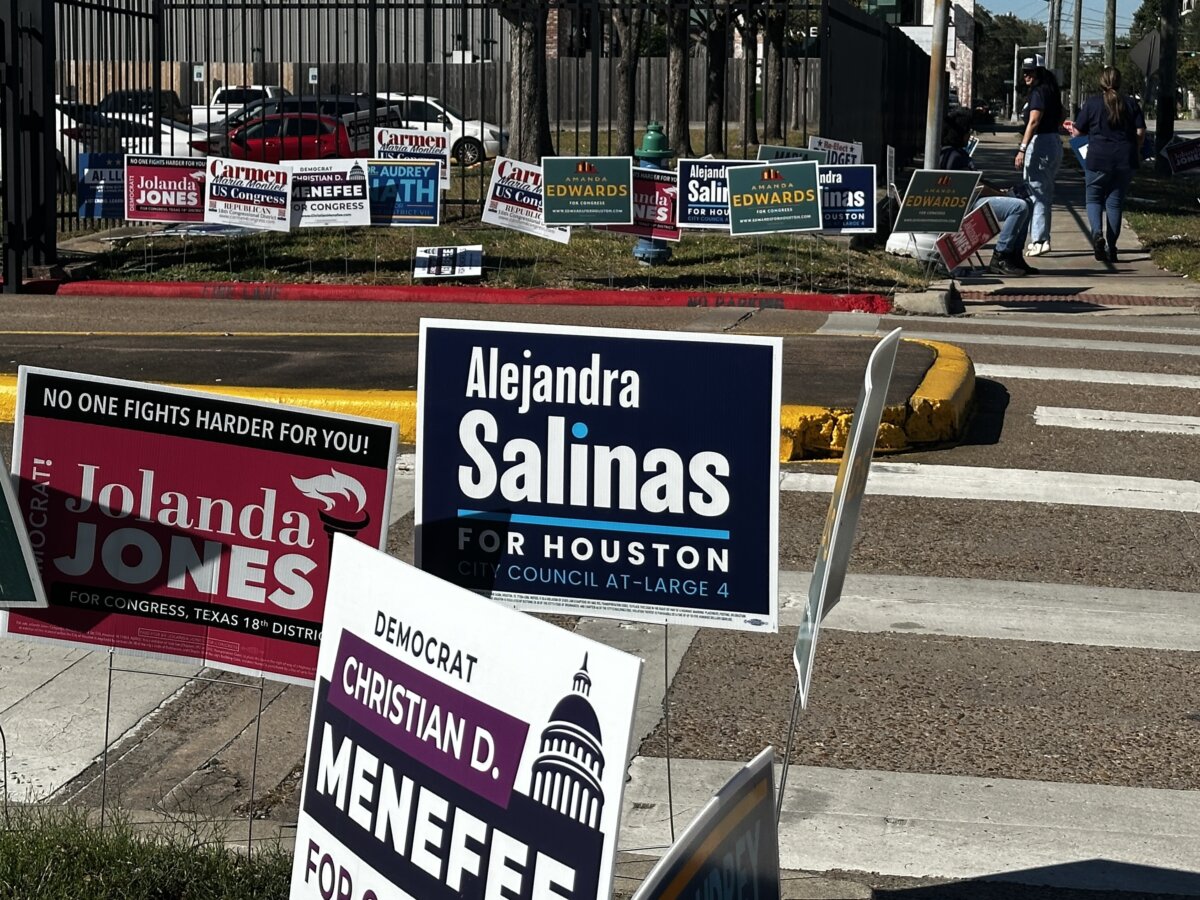

Texas voters approved key constitutional amendments that ban noncitizens from voting and codify parental rights.
The two propositions—16, 15—were part of 17 ballot measures to change the Texas Constitution that voters considered on Nov. 4.
Proposition 16, “clarifying that a voter must be a United States citizen,” grabbed the most voter interest. The measure passed overwhelmingly with 75 percent voting in favor.
Likewise, Proposition 15, “affirming that parents are the primary decision makers for their children,” was popular among Texas voters, with 71 percent voting to approve the measure.
U.S. citizenship is required to register to vote in Texas, but Proposition 16 will prohibit local governments from allowing foreign nationals to vote in local elections. The measure follows similar legislation passed in other Republican-led states such as Arizona, Louisiana, and Ohio.
Opponents have called Proposition 16 unnecessary, but supporters believe it is needed because of the millions of illegal immigrants who flooded into the country during the Biden administration.
Gov. Greg Abbott took to X in May to voice his approval for the election integrity measure.
“This Joint Resolution proposes a constitutional amendment that makes it crystal clear that if you are not a United States citizen, you’re not allowed to vote in Texas,” he stated.
Critics such as Progress Texas, a left-wing group that supports racial equity, called the proposition an “inflammatory response” to immigration policies in the state. Voting against the measure would protect the state Constitution from being used to “propagate xenophobic rhetoric and policies,” according to the group’s voter guide.
In Houston, a blue stronghold in a red state, many voters didn’t support the measure.
Jay Reed said Proposition 16 was unnecessary.
“No one illegal is coming out here voting. If they did, ICE would be out here,” he said.
Phil Yeh, who moved to the United States from Taiwan in 1989, approved of allowing only American citizens to vote in state elections.
“That is common sense,” he said. “We pay taxes.”
As an immigrant who went through the process to become a U.S. citizen, he believes the right to vote is a privilege that should be reserved for citizens.
The ban on noncitizens voting was the latest step Texas has taken toward election integrity since 2020, when President Donald Trump lost his bid for reelection, arguing the election was “rigged.”
In 2021, Texas responded by passing Senate Bill (SB) 1, which established statewide voting hours, prohibited drive-through voting, and authorized poll watchers to observe more aspects of the election process. The bill also banned the distribution of unsolicited applications for mail-in ballots.
Abbott announced in 2024 that Texas had removed more than 1 million people from the state’s voter rolls since SB 1 became law, including people who moved out of state, were deceased, or were noncitizens.
In September, Texas became one of 10 states to sign a memorandum of understanding to share voter registration data.
The other states include Alabama, Arkansas, Kansas, Kentucky, Louisiana, Ohio, South Carolina, Virginia, and West Virginia.
Texas Secretary of State Jane Nelson said the agreement would strengthen efforts to prevent duplicate registrations in cooperating states and safeguard against potential voter fraud.
“These agreements are a significant step in our ongoing commitment to maintain accurate voter registration lists and upholding the integrity of our elections,” she said in a statement.
 Friends Read Free
Copy
Facebook
Tweet
Friends Read Free
Copy
Facebook
Tweet