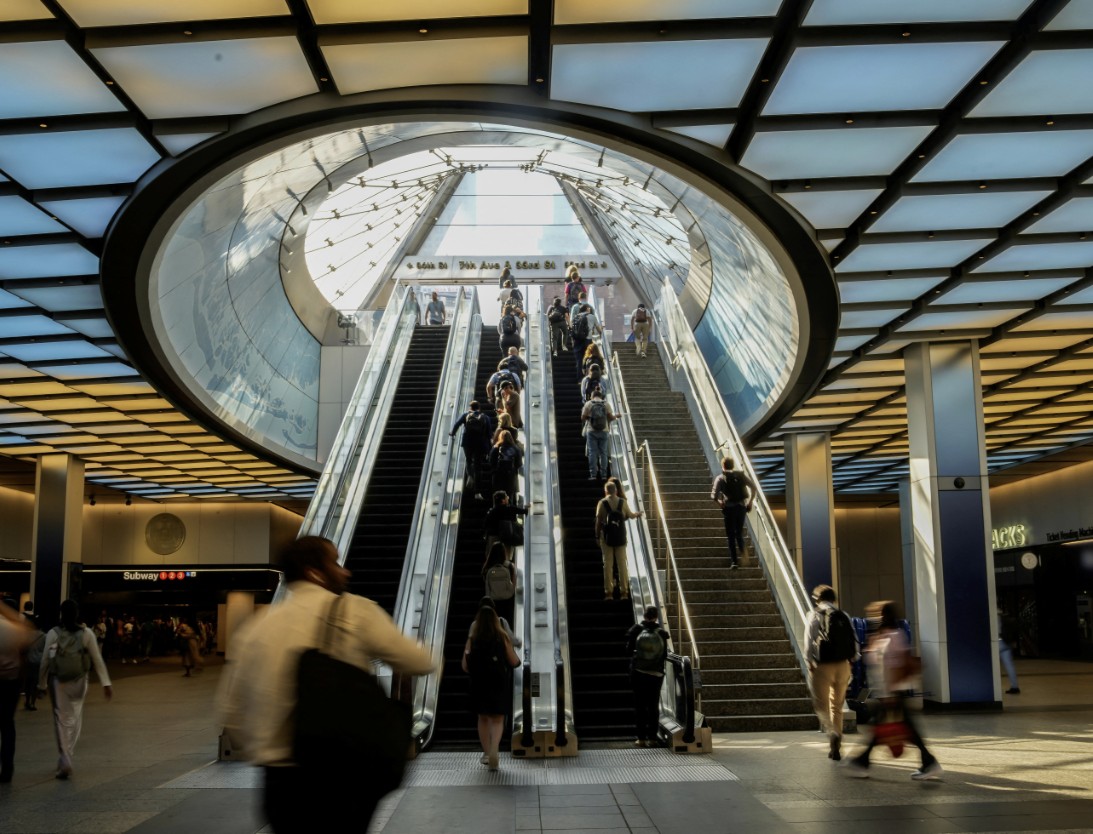

The U.S. Department of Transportation (USDOT) stated on May 20 that it would pump another $200 million into the rebuild of Penn Station in New York City.
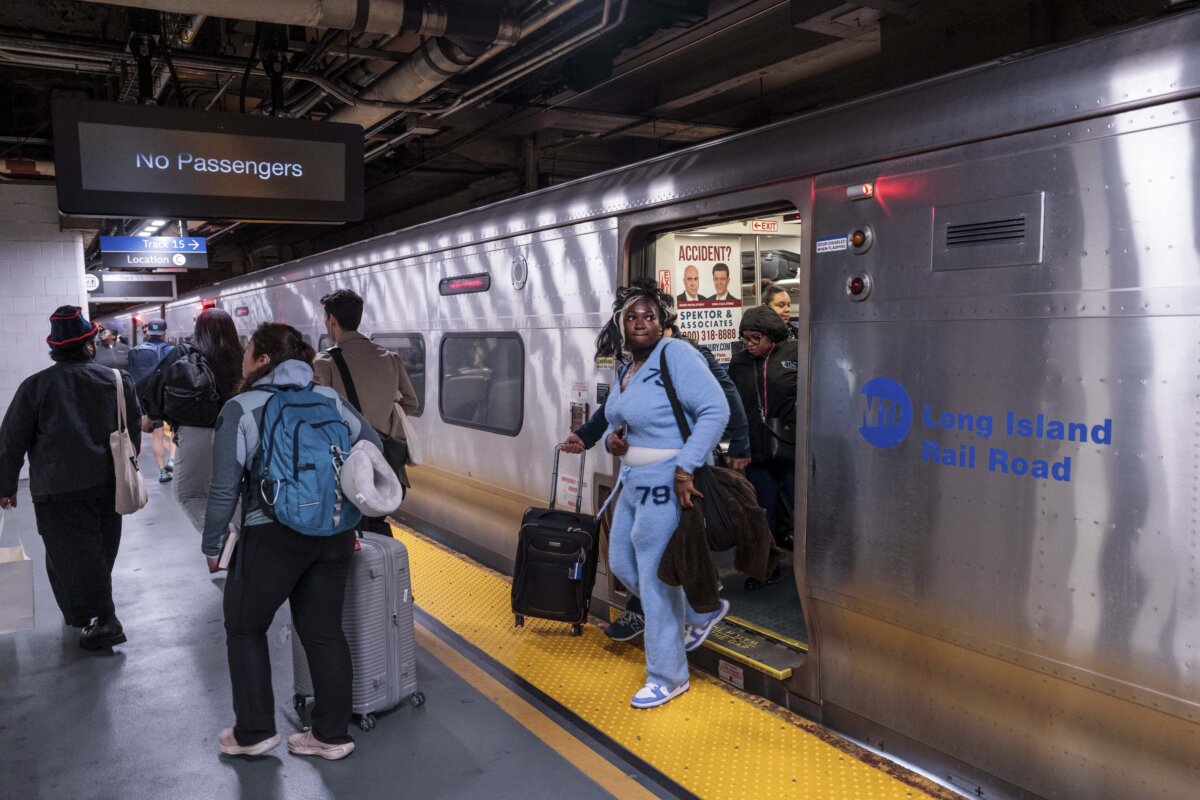
Penn Station is New York City’s main hub for trains traveling across the country, with tracks linking the city to Boston, Washington, Philadelphia, Baltimore, and beyond. It is also a commuter hub, with many workers traveling to the city by train from New Jersey and Long Island, New York.
Amtrak and the Trump administration stated that the plan includes expanding track capacity, building a grand entrance on Eighth Avenue to a new train hall, and replacing aging walkways with open modern concourses. Penn Station is the busiest transit hub in the United States, serving 10 million Amtrak passengers annually and 100 million in total when regional train systems are included.
Last month, USDOT Secretary Sean Duffy said the department would spend $4.7 billion on rail projects on Amtrak’s Northeast Corridor, including New York City’s Penn Station and Washington’s Union Station.
The announcement means that New York City will not move Madison Square Garden, home to the New York Knicks basketball team, the New York Rangers hockey team, and various other sporting events, concerts, and shows.
USDOT stated that the rebuild would “enable new retail, better wayfinding, and other passenger experience improvements, all while maintaining the iconic Madison Square Garden with a new cladding for a classical look.”
Last year, Duffy hired Andy Byford—a British railroad executive who has worked on projects in London, Toronto, and Sydney, as well as in New York City—to oversee the Penn Station project.
“Everyone at Amtrak is thrilled to announce Penn Transformation Partners and even more excited that the project is one step closer to having shovels in the ground next year,” Byford said in a May 20 statement. “The rapid completion of a rigorous procurement process represents more than just delivering on a highly ambitious milestone; it demonstrates that Amtrak and USDOT are uniquely capable of making this vision a reality.”
The original Penn Station, completed in 1910, was a celebrated architectural marvel that inspired awe as much as it facilitated travel. In 1963, the station was demolished to make way for Madison Square Garden.
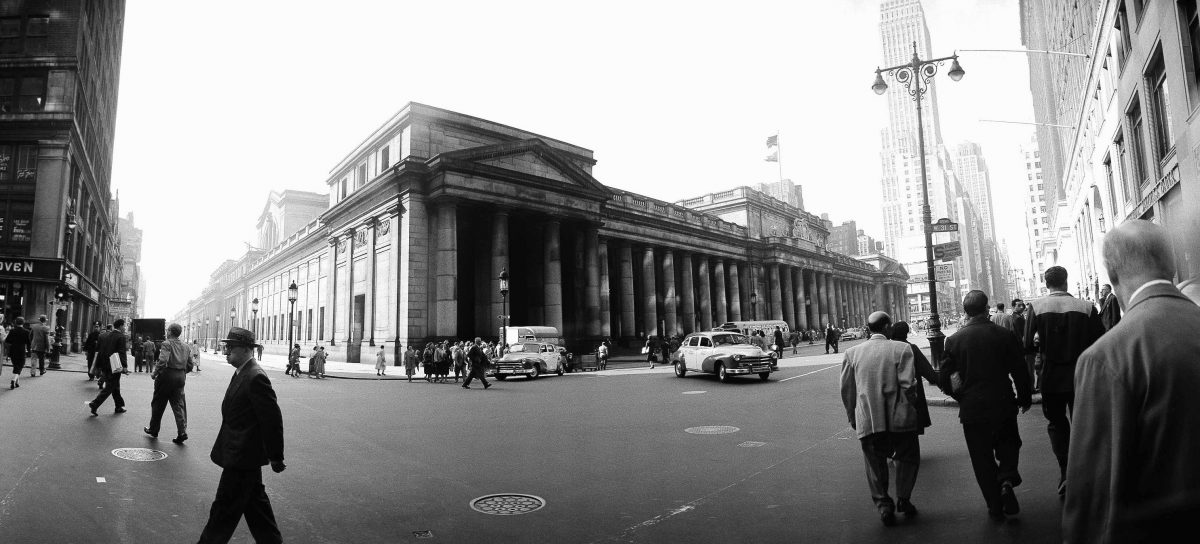
Home to three different railroads—Amtrak, New Jersey Transit, and the Long Island Rail Road—and two subway lines, the hub is a maze of tracks, corridors, stairwells, and concourses. In contrast to its Beaux Arts-style predecessor, whose soaring vaulted glass ceilings flooded travelers with light, it has much of its activity take place beneath Madison Square Garden in low-ceilinged tunnels deprived of natural light.
“Crumbling infrastructure, bleak and dirty architecture, unnavigable hallways, and no inviting spaces for families with kids—the current state of Penn Station is unacceptable,” Duffy said in an August 2025 statement.
Plenty of Construction Experience
The developers will have to rebuild the station while maintaining rail services for millions of people, a considerable engineering challenge.
USDOT also said on May 20 that Penn Transformation Partners—formed by Halmar, a construction company based in Nanuet, New York, and the Swedish corporation Skanska—had been chosen to lead the rebuild.
Halmar has considerable experience in civil engineering projects, including the Mill Basin Bridge in the New York City borough of Brooklyn, the Potomac River Tunnel deep sewer in Washington, and a seismic retrofit of the Golden Gate Bridge in San Francisco.
It is currently working with Skanska on the Central Terminal Area at John F. Kennedy International Airport, part of a $19 billion rebuild.

Skanska has worked on numerous projects around the world, most famously the Oresund Bridge, which links Sweden and Denmark.
In February, work on the $16 billion Hudson Tunnel Project, which aims to build a new commuter rail tunnel connecting the New York City borough of Manhattan and New Jersey, was paused pending federal disbursements. A federal court later ordered the Trump administration to restart payments.
The existing tunnel, heavily damaged by Hurricane Sandy in 2012, needs frequent emergency repairs.
Bill Pan and Reuters contributed to this report.
 Friends Read Free
Copy
Facebook
Tweet
Friends Read Free
Copy
Facebook
Tweet