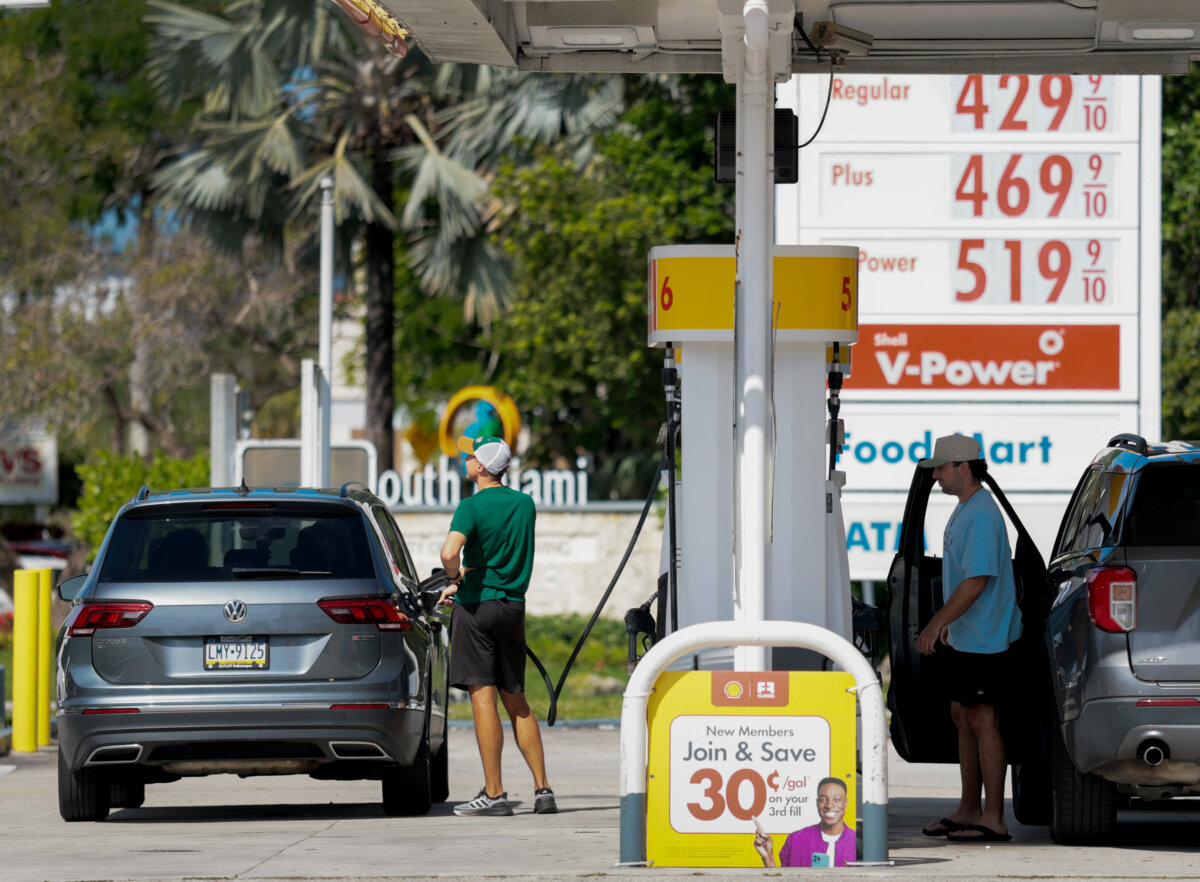

President Donald Trump said on April 30 that gasoline prices would plummet once the war with Iran ends, even as U.S. drivers face the highest pump prices in four years amid ongoing disruptions to global oil supply.
Speaking during a press event in the Oval Office, Trump linked elevated fuel costs directly to the ongoing conflict and the continued closure of key shipping routes, while expressing the conviction that ample global supply would quickly push prices lower once unrestricted crude transit resumes in a post-war environment.
“The gas will go down. As soon as the war’s over, it’ll drop like a rock,” Trump said. “There’s so much of it, it’s all over the place, sitting all over the oceans of the world.”
Trump said previously that Americans may need to deal with higher gasoline prices “for a little while” as the conflict continues, but insisted Thursday that prices would “go down rapidly” once hostilities subside.
He also said that the economic impact would be far greater if Iran were to acquire and use a nuclear weapon, telling reporters in the Oval Office that, under such a scenario, “the whole world is a different place.”
A key demand on Trump’s part has been for Iran to abandon its nuclear ambitions, including relinquishing its stockpile of highly enriched uranium, something the regime in Tehran has so far refused to do.
Iranian leader Mojtaba Khamenei on April 30 vowed to defend the country’s nuclear and missile programs, describing them as national assets.
Prices Surge as Oil Stays Above $100
Fuel prices continue to climb, driven by elevated crude oil costs and supply disruptions linked to the Iran war.
According to American Automobile Association data released April 30, the national average price for regular gasoline rose to $4.30 per gallon, up 27 cents in a week and more than $1 higher than a year ago. The organization said prices are now at their highest level since July 2022, as oil trades above $100 per barrel with no indication of when the Strait of Hormuz will fully reopen.
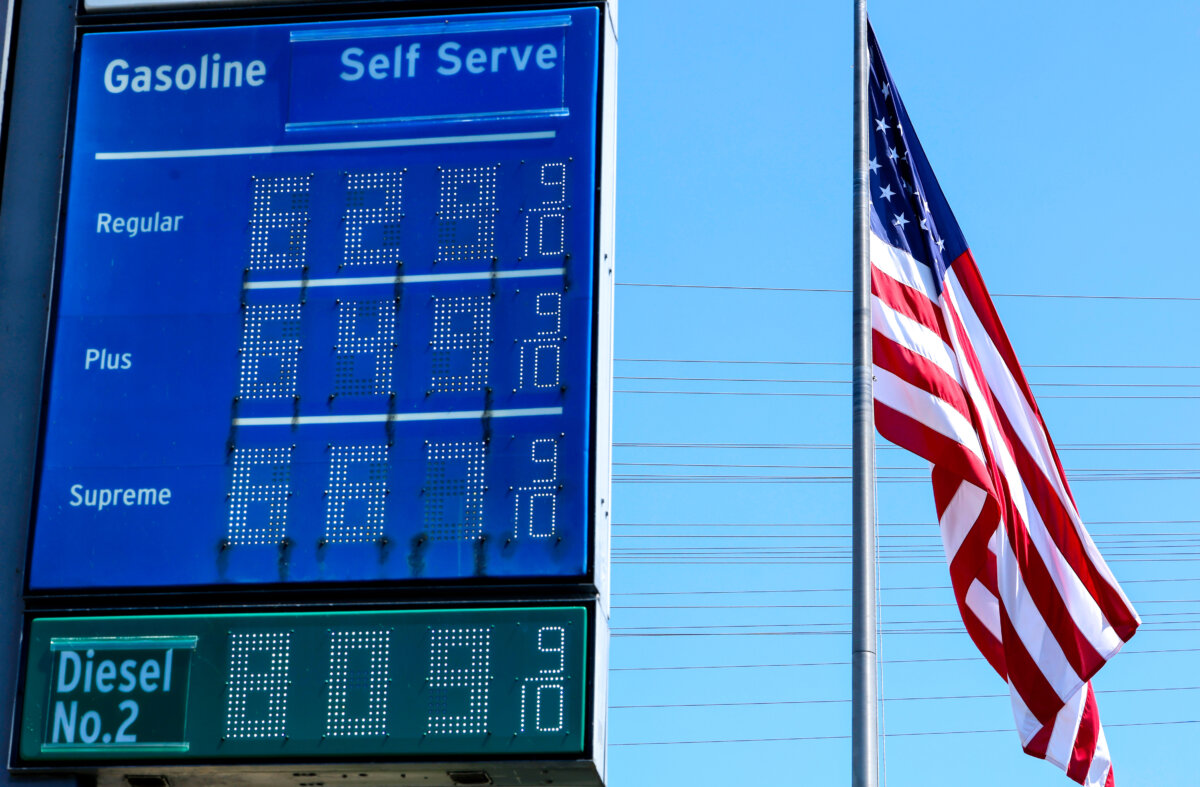
Independent tracking by GasBuddy suggests prices may be climbing even faster. Analyst Patrick De Haan said in an April 30 post on X that real-time data showed a national average of $4.40 per gallon, up 35 cents in a week.
“We’ll continue to head higher for now,” De Haan said in a post on X earlier this week, describing the recent surge as the fastest pace of increase in years.
Oil markets remain under pressure as diplomatic efforts to resolve the conflict show little immediate progress.
Brent crude traded around $111 per barrel on May 1, with U.S. West Texas Intermediate above $105, both benchmarks on track for strong weekly gains after briefly spiking to multi-year highs.
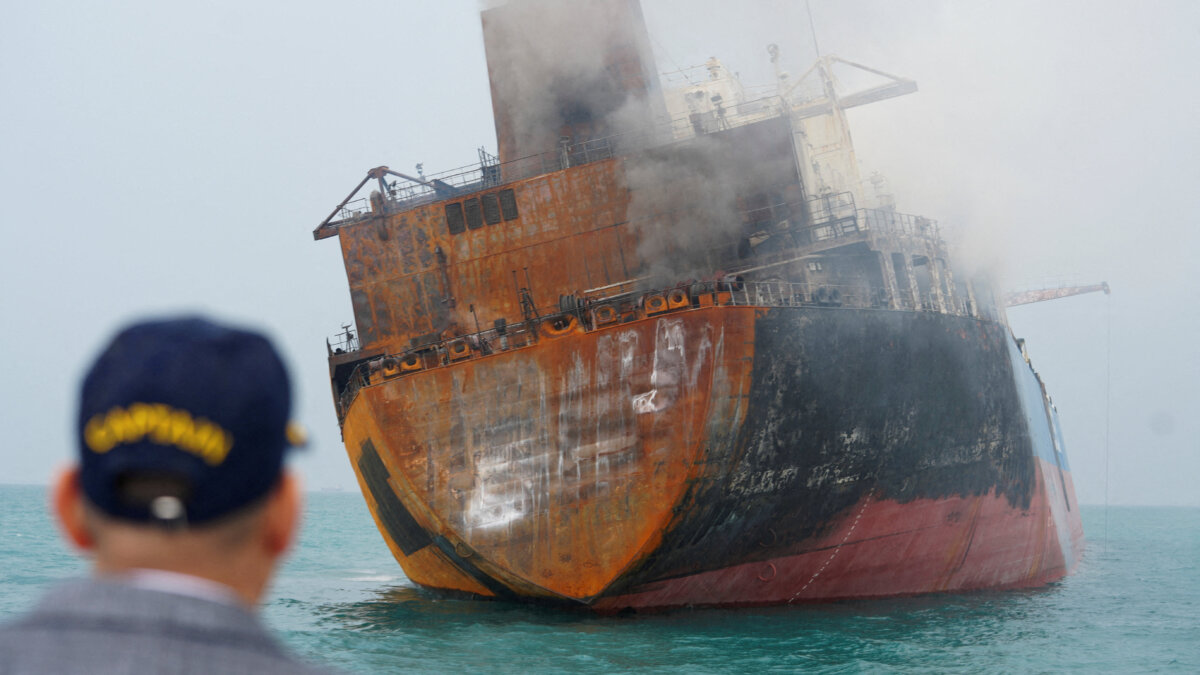
The rise follows U.S. and Israeli strikes on Iran in late February, which triggered retaliatory actions by Tehran, including attacks on shipping and the placing of restrictions in the Strait of Hormuz, a chokepoint that typically handles roughly one-fifth of global oil and liquefied natural gas flows.
War Drives Energy Shock, Inflation Pressures
The surge in fuel prices over the past two months or so shows that geopolitical shocks can quickly feed into consumer costs and broader inflation.
U.S. gasoline averaged roughly $2.98 per gallon just days before the late-February escalation, according to AAA data. Diesel prices have also climbed, with national averages above $5.40 per gallon.
Higher energy costs are also feeding into inflation. The Federal Reserve’s preferred measure, the personal consumption expenditures index, rose 3.5 percent year-on-year in March, with economists pointing to energy as a key driver.
Global institutions have warned that the impacts of the war could take time to unwind.
The International Monetary Fund said in a recent note that disruptions to major shipping routes could linger even after hostilities end, while the World Bank has forecast a broad increase in energy and commodity prices tied to the conflict.
“The war in the Middle East has severely disrupted maritime and air traffic, damaging infrastructure and interrupting transport corridors that are critical for global energy and goods,” the IMF said. “Even in the best case, there will be no neat and clean return to the way things were.”
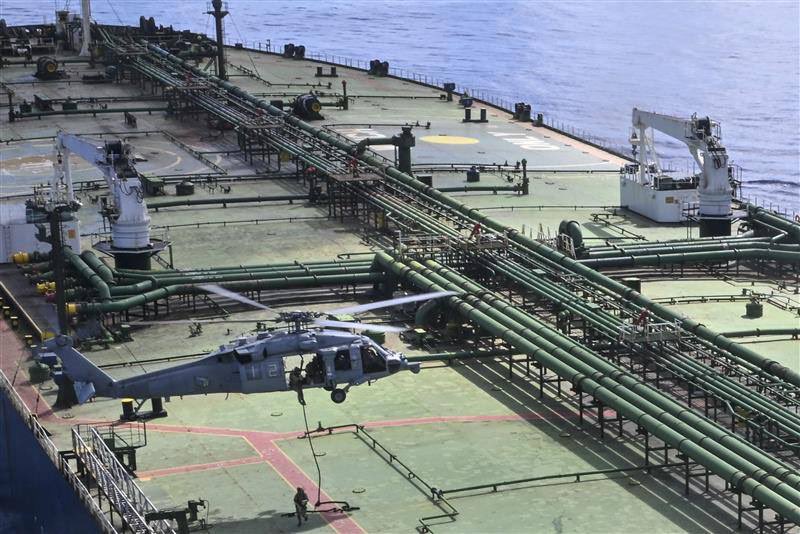
The Trump administration has maintained a naval blockade on Iranian oil exports to pressure Tehran into making a deal that would both neutralize Iran’s nuclear threat and fully reopen the Strait of Hormuz, a condition widely seen as critical to stabilizing global energy markets.
 Friends Read Free
Copy
Facebook
Tweet
Friends Read Free
Copy
Facebook
Tweet