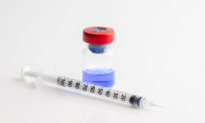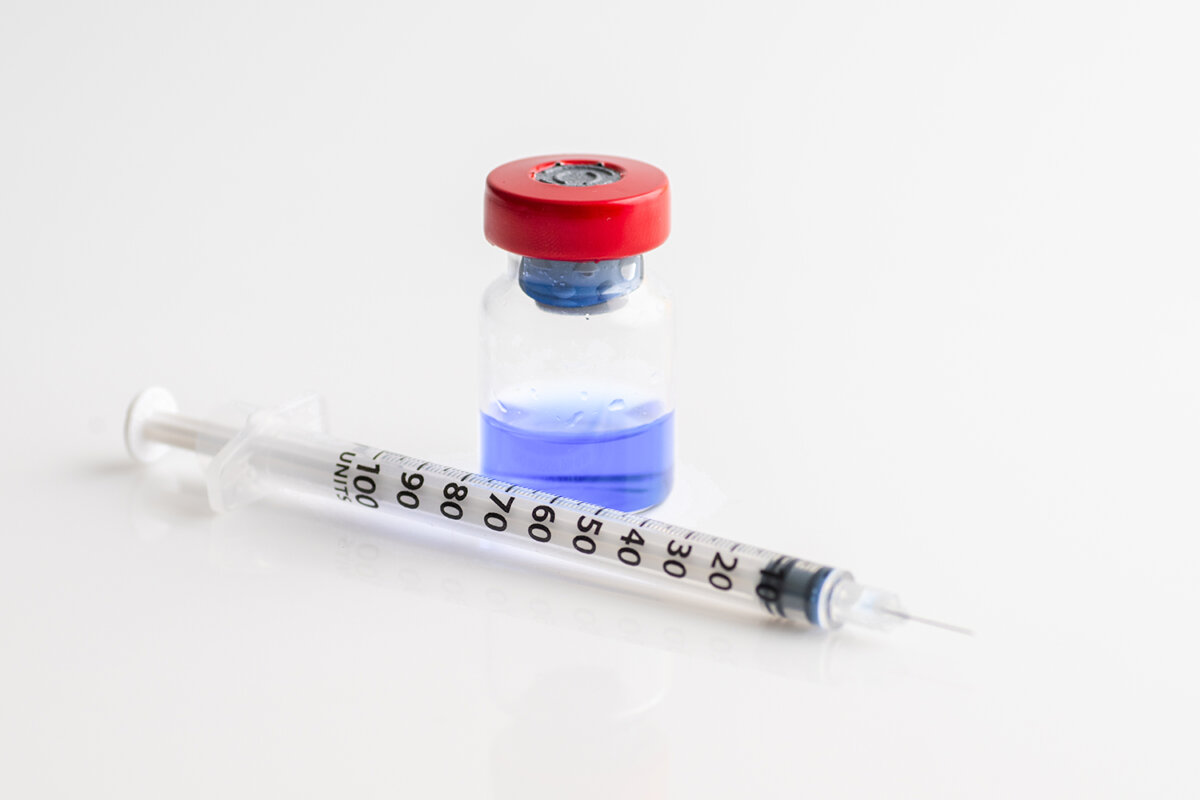

Marketed as the latest injectable anti-aging treatment, a four-peptide blend called the KLOW stack is being injected at medical spas and used at home DIY style for hundreds of dollars a month.
But behind the viral hair-growth and anti-aging claims lies a little-known fact: the U.S. Food and Drug Administration hasn’t approved it, and one of its ingredients has never even been tested in a single human clinical trial.
What’s in the Syringe
Peptides are a chain of amino acids and are closer to the body’s own natural chemistry and processes, according to Dr. Michael Omidi, a double-board-certified body and facial plastic surgeon in Beverly Hills.
“There are many kinds of peptides,” Omidi told The Epoch Times. “It is just a description of the amino acid structure. It is a broad class of medications, and it is not one specific medication.”
The KLOW stack combines four peptides: GHK-Cu (Copper Peptide), BPC-157, TB-500, and KPV.
-
GHK-Cu is a natural three-amino-acid peptide that binds to copper, helps deliver it into cells, and signals them to produce more collagen and elastin.
-
BPC-157 is a lab-made peptide consisting of 15 amino acids that includes a fragment of a protein naturally found in human gastric juice.
-
TB-500 is a synthetic peptide fragment derived from a natural protein that supports tissue repair.
-
KPV is made up of Lysine-proline-valine (KPV), a naturally occurring tripeptide, and has never had a human clinical trial.
Still, influencers are injecting the peptides into their bodies and flaunting alleged results on social media. One TikTok user urged people to “jump on” the KLOW trend because her hair was “growing like crazy.” Another, a self-described longevity expert, touted, “You don’t need Botox, you need GHK-Cu dude.”
Those kinds of endorsements have turned the KLOW stack into a fixture at medspas, with claims it can help with anti-aging, skin health, collagen production, hair and nail health, reduce systemic inflammation, and support full-body recovery.
However, the pre-purchase warnings include a disclaimer stating that the peptides are for research and “not intended for human or animal use.”
A Mismatch Between Marketing and Medicine
Some of these peptides were never developed with beauty in mind.
The National Institutes of Health suggests BPC-157 was studied as a possible treatment for ulcers and inflammatory bowel disease; TB-500 was tested for wound healing and physical recovery; and KPV was researched for wound healing and inflammatory conditions, not skincare.
GHK-Cu is the furthest along, in terms of regulation. It is currently “under evaluation” as a non-injectable for the FDA 503A Category 1 list, following clinical studies suggesting that GHK-Cu can improve the appearance of aging skin, including reducing lines and wrinkles, according to data published in the International Journal of Molecular Sciences in 2018.
The FDA plans to have the Pharmacy Compounding Advisory Committee review GHK-CU’s status by February 2027, but the agency has specifically flagged the injectable form of the substance as risky because large clusters or particles of the peptide can clump together in the formula, causing the body to recognize it as foreign and trigger an immune response.
Social media users have reported getting the “copper uglies” after using the GHK-CU in the KLOW stack, which people described as purple and red bubbles and bumps under the eyes.
The other three ingredients—BPC-157, TB-500, and KPV—cleared a different bar on July 23, when an FDA advisory committee recommended adding them to the 503A Bulk Drug Substances List. That is the list of raw ingredients licensed compounding pharmacies are permitted to use in custom-mixed medications—a narrower path than full FDA drug approval, and notably not the same as approval for over-the-counter beauty use.
At the same FDA hearing, Mike Stone, founder of the peptide company ReViaWell, described how some women informally mix KPV with GHK-Cu and Snap-8—an anti-aging peptide used in skincare—into their daily moisturizer.
“They swear it’s a heck of a lot cheaper than plastic surgery,” he told the committee.
Doctors Push Back
However, plastic surgeons deny claims that peptides can replace the effects of plastic surgery and Botox.
“What he’s [Stone] describing is something that’s off-label and experimental,” Dr. Samuel Golpanian, a double-board-certified plastic Surgeon in Beverly Hills, told The Epoch Times.
Breaking down the trio Stone described, Golpanian noted that GHK-Cu has been studied for wound healing and collagen production; Snap-8 is marketed, though not proven, as a muscle-relaxant alternative to Botox; and KPV is meant to reduce inflammation. The problem, he said, is the leap from theory to results.
“There’s no strong clinical evidence showing these combinations produce results anywhere close to plastic surgery or established treatments like neuromodulators such as Botox, fillers, lasers, or prescription skincare,” he said.
Even KPV’s foothold in the beauty world traces back to its anti-inflammatory properties rather than any cosmetic research, Golpanian said. Some people in the beauty world mix it into creams or serums and apply it to the skin to reduce redness and irritation.
“The theory is that by calming inflammation, it will improve overall skin appearance.”
The FDA has not yet approved the recommended peptides, but if it does, they will only be approved for compounding pharmacies, which make medications, unlike traditional pharmacies, which dispense medications made by pharmaceutical companies.
Either way, Omidi said he would not support the use of KPV.
“I would not support it at this time because studies are limited and not persuasive enough, safety studies have not been done, [and] there have been no human studies,” he said.
“The studies have been limited to small numbers of animals.”
 Friends Read Free
Copy
Facebook
Tweet
Friends Read Free
Copy
Facebook
Tweet