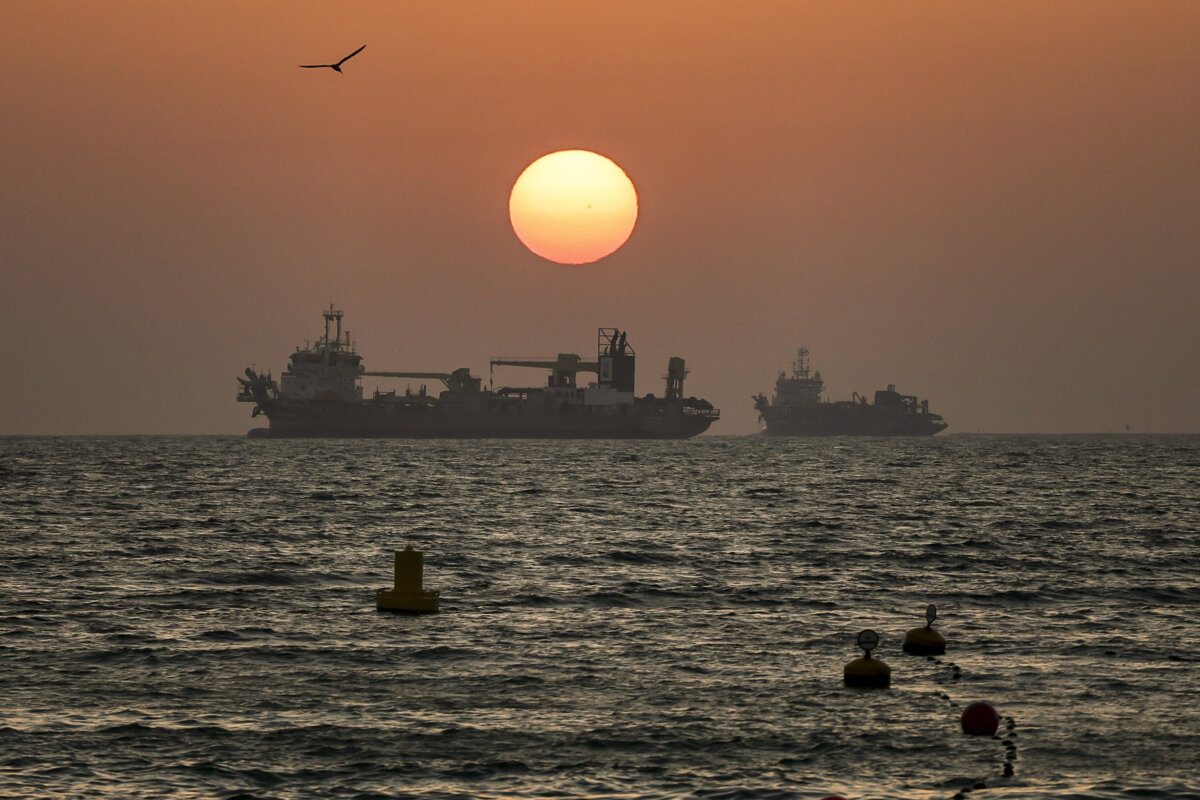

The U.S. State Department on Monday abruptly canceled all consular appointments in the United Arab Emirates for three days, citing a deteriorating regional security situation amid wider military tensions in the Persian Gulf.
In a July 13 post on X, the department said that the suspension, which runs from July 13 to July 15, applies to both the U.S. Embassy in Abu Dhabi and the U.S. Consulate General in Dubai due to the “regional security situation.”
It said that if Americans have an appointment on those dates, they “should not come to the embassy or consulate; we will contact you to reschedule.”
“The U.S. Embassy and U.S. Consulate General remain on ordered-departure status, meaning that non-emergency U.S. government personnel have been relocated outside the UAE. As a result, only limited consular assistance to Americans is available,” the U.S. State Department stated.
The United Arab Emirates (UAE) has faced renewed missile and drone attacks from Iran amid a major regional escalation.
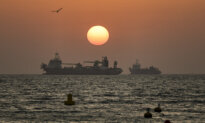
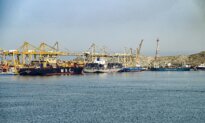
One Indian crew member was killed, and eight others were wounded when Iranian cruise missiles struck two Emirati oil tankers in the Strait of Hormuz, the UAE Ministry of Defence said on Tuesday.
Abu Dhabi National Oil Company’s shipping arm later confirmed the very large crude carriers (VLCCs) Mombasa B and Al Bahyah were hit while transiting Hormuz and had sustained “significant damage.”
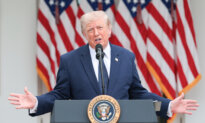
U.S. President Donald Trump said on July 13 that a blockade of Iran is back in play following the resumption of military strikes targeting the country.
Trump also said this week that Iranian officials have not adhered to points that were negotiated under an interim deal that was signed by Washington and Tehran last month to end hostilities, fully reopen the strait, end Iran’s nuclear program, and potentially allow for tens of billions of dollars in investment into the country.
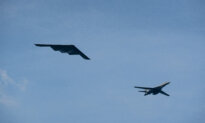
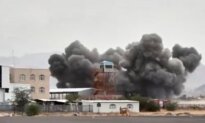
The United States launched another round of strikes in a five-hour mission on Monday night, according to Central Command, which said that military sites and other targets were struck in Bushehr, Chah Bahar, Jask, Konarak, Abu Musa, and Bandar Abbas.
The mission, it said, will “further degrade Iran’s ability to attack commercial shipping,” adding that its “forces employed precision munitions against Iranian coastal defense systems, missile and drone sites, and maritime capabilities.”
On July 13, Trump warned Tehran that the United States could soon target Pickaxe Mountain, an Iranian underground nuclear site.
“We’re watching it closely. We see no activity there. They’re not doing well with their nuclear situation … but we’ll probably give Pickaxe Mountain a shot relatively soon,” Trump told The Hugh Hewitt Show.
Pickaxe Mountain, located near Iran’s heavily damaged Natanz uranium enrichment facility, is a complex buried about 330 feet below ground, according to Andrea Stricker of the Foundation for Defense of Democracies (FDD), an expert in nuclear proliferation and counterproliferation who specializes in Iran’s nuclear program.
Iran’s Foreign Ministry spokesman Esmail Baghaei said in a July 12 post on X that Iran’s strikes on U.S. military bases in the southern Persian Gulf were a “legitimate” act of self-defense and accused Washington of violating international law.
“Iran does not ‘attack.’ Iran’s strikes on U.S. military bases and assets stationed in the southern Persian Gulf constitute a legitimate and lawful exercise of its inherent right to self-defense under international law,” he said.
Baghaei said that the United Nations “should urge the countries in question to immediately cease allowing the United States to use their territories as launchpads for aggression against Iran.”
Jack Phillips and Reuters contributed to this report.
 Friends Read Free
Copy
Facebook
Tweet
Friends Read Free
Copy
Facebook
Tweet