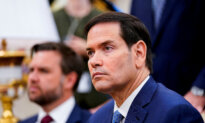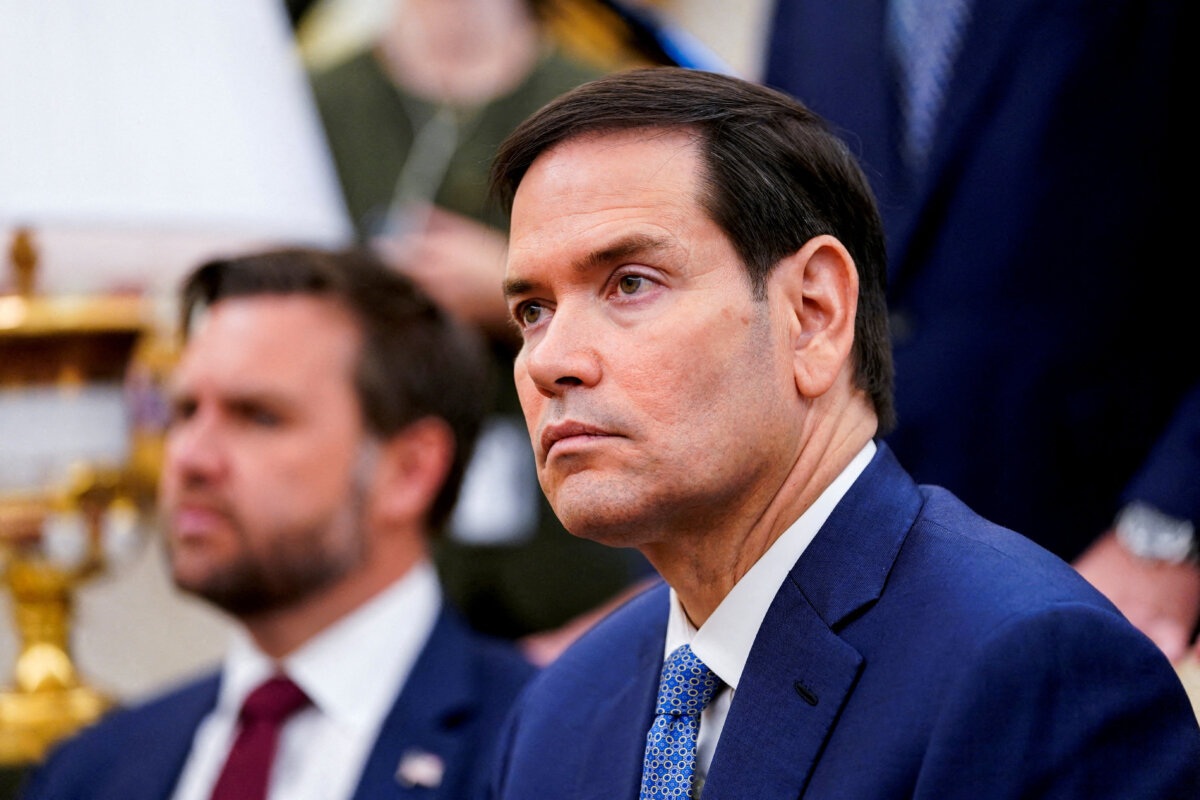
U.S. Secretary of State Marco Rubio on Aug. 13 revoked or restricted visas for some Brazilian, Caribbean, and African officials over their alleged involvement with a Cuban program that sends doctors abroad.
Rubio said in a statement that his department revoked the visas for several Brazilian government officials, as well as former Pan American Health Organization officials and their family members, for their alleged involvement with the Cuban program as part of Brazil’s Mais Médicos or “More Doctors” initiative. The initiative began in 2013, and Cuba’s involvement with it was terminated in 2018.
Rubio said the State Department had revoked the visas of Alberto Kleiman and Mozart Julio Tabosa Sales, who both worked in the Brazilian Ministry of Health during the initiative.
He said officials were “responsible for or involved in abetting the Cuban regime’s coercive labor export scheme, which exploits Cuban medical workers through forced labor.”
“This scheme enriches the corrupt Cuban regime and deprives the Cuban people of essential medical care,” the secretary of state said.
Rubio said that Brazilian officials had knowingly paid the Cuban communist regime what was owed to the Cuban medical workers. He added that dozens of Cuban doctors working for the program reported being exploited by Havana.
“Our action sends an unmistakable message that the United States promotes accountability for those who enable the Cuban regime’s forced labor export scheme,” Rubio said.
Responding to the sanctions, Brazilian Health Minister Alexandre Padilha said in an Aug. 13 statement posted to X that the Mais Médicos initiative saves lives and will survive these “unjustifiable attacks from whoever they may come from.”
“We will not bow to those who persecute vaccines, researchers, science and, now, two of the key people for Mais Médicos during my first term as Minister of Health,” Padhila said. “In this current government, in just two years, we have doubled the number of doctors in Mais Médicos. We are very proud of this entire legacy, which brings medical care to millions of Brazilians who previously had no access to health services.”
‘Diplomatic Scam’
In a separate Aug. 13 statement, the State Department announced similar restrictions on Cuban, Grenadian, and certain African officials and their family members.
The statement did not name the individuals affected by the visa restrictions or specify which African nations some of those officials were from.
The department said the officials were complicit in Cuba’s program and alleged that “medical professionals are ‘rented’ by other countries at high prices” and most of the money is kept by Havana.
“The United States continues to engage governments, and will take action as needed, to bring an end to such forced labor,” the department said. “We urge governments to pay the doctors directly for their services, not the regime slave masters.”
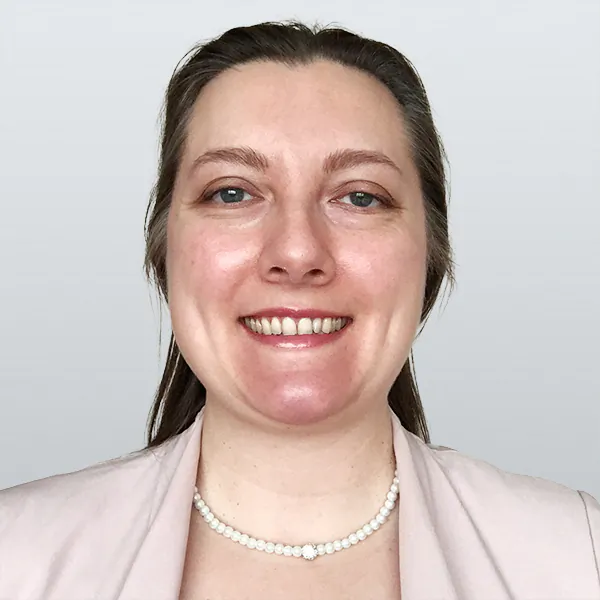
Cuba’s deputy director of U.S. affairs, Johana Tablada de la Torre, said in a statement posted to X that Cuba’s medical cooperation will continue.
Rubio’s “priorities speak volumes … torturing Cuba, going after health care services for those who need them most,” she said.
Eugenio Martínez Enríquez, director general for Latin America and the Caribbean at the Cuban Ministry of Foreign Affairs, said on X that the U.S. State Department “punishes good examples such as Brazil’s More Doctors Program because it considers it ‘an excessive diplomatic scam’ that doctors from Cuba attended to 113,359,000 patients, up from the 60 million they covered in more than 3,600 Brazilian municipalities.”
Martínez Enríquez was referring to Rubio’s post on X in which he called Mais Médicos “an unconscionable diplomatic scam of foreign ‘medical missions.'”
Accusations of Coercion
The new visa revocations are the latest sanctions on individuals accused of being involved in the exploitation of Cuban doctors, with Rubio having taken similar action in June and February.
Cuba has long denied the accusations about its medical missions. Since its 1959 revolution, the island nation has dispatched doctors to help with disease outbreaks around the world, including Ebola in West Africa.
According to a 2024 State Department report on human trafficking, the Cuban government, through its labor export program, deploys Cuban doctors into its overseas programs using “deceptive and coercive tactics.”
The report states that the Cuban government retains workers’ passports or professional credentials. Havana also restricts their movements with surveillance and curfews, confiscates their salaries, or issues threats, according to the report.
The two nations have had tense relations since the 1959 Cuban revolution, when Fidel Castro overthrew the U.S.-backed dictatorship of Fulgencio Batista. Castro later established a communist dictatorship 90 miles off the Florida coast.
The Obama administration tried to normalize relations with Cuba, but the first Trump administration reversed course and relabeled Cuba a state sponsor of terrorism. The Biden administration eased some restrictions amid Cuba’s worsening humanitarian crisis and a wave of emigration to the United States.
The current administration has taken a harder line on the communist regime since President Donald Trump returned to office.
The Epoch Times contacted the Grenadian government for comment but did not receive a response by publication time.
Rachel Acenas and Alicia Márquez contributed to this report.
 Friends Read Free
Copy
Facebook
Tweet
Friends Read Free
Copy
Facebook
Tweet