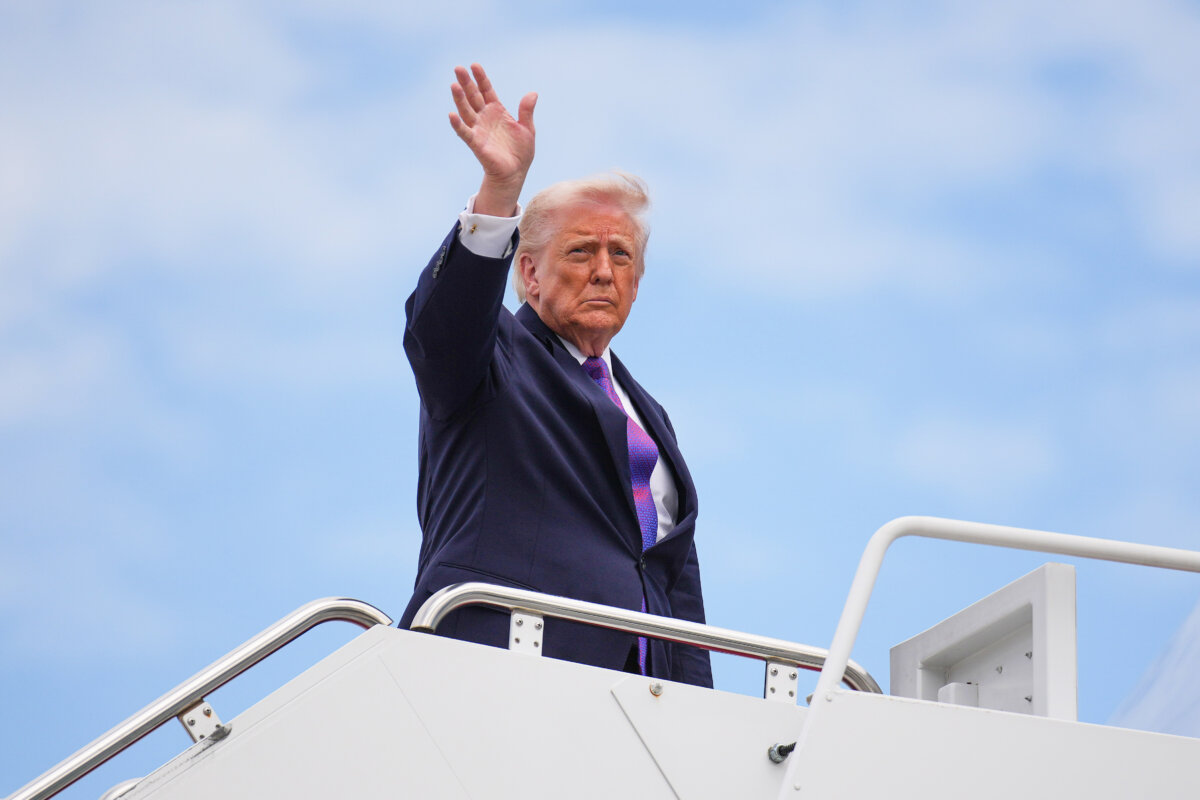

President Donald Trump said on March 11 that his administration knows the location of most Iranian sleeper cells in the United States.
Joint U.S.–Israeli strikes killed many top leaders in Iran, including Iranian leader Ali Khamenei, and denigrated the country’s military, prompting concerns that Iranian undercover terrorist cells, or sleeper cells, may act inside the United States.
Texas Gov. Greg Abbott and Sen. Ted Cruz (R-Texas) have both publicly warned of a heightened risk of terrorism in recent days.
When asked questions about reports of an internal government bulletin warning of an Iranian cell in California and about how many sleeper cells are in the United States at the moment, Trump said, “We know where most of them are; we’ve got our eye on all of them.”
He said that “a lot of people came in” because of the border policies of the previous administration.
Earlier this month, Abbott warned of potential sleeper cells in Texas after a Senegalese man fatally shot three people and injured more than a dozen people at a bar in Austin, Texas. A law enforcement official told The Associated Press that the man, Ndiaga Diagne, was wearing clothing featuring an Iranian flag and the words, “Property of Allah.”
Earlier this week, Cruz told a reporter that the “risk of terrorism right now is quite high” as he made note of the Austin shooting and another alleged terrorist attack in New York City over the past weekend.
In the New York City incident, two people were arrested following the attack, in which improvised explosive devices were thrown.
On March 12, new Iranian leader Mojtaba Khamenei issued his first statement on the conflict in the Middle East, saying that the closure of the Strait of Hormuz should be used as leverage and that attacks on Iran’s Gulf Arab neighbors will continue. Mojtaba Khamenei, who is the son of Ali Khamenei, has not yet made a public appearance.
The statement from Mojtaba Khamenei, according to Iran’s state-run PressTV, states that the “will of the people is to continue effective defense, and their presence on the scene must be maintained.” He wrote that the Strait of Hormuz, a crucial waterway for oil and natural gas transport, “must remain closed.”
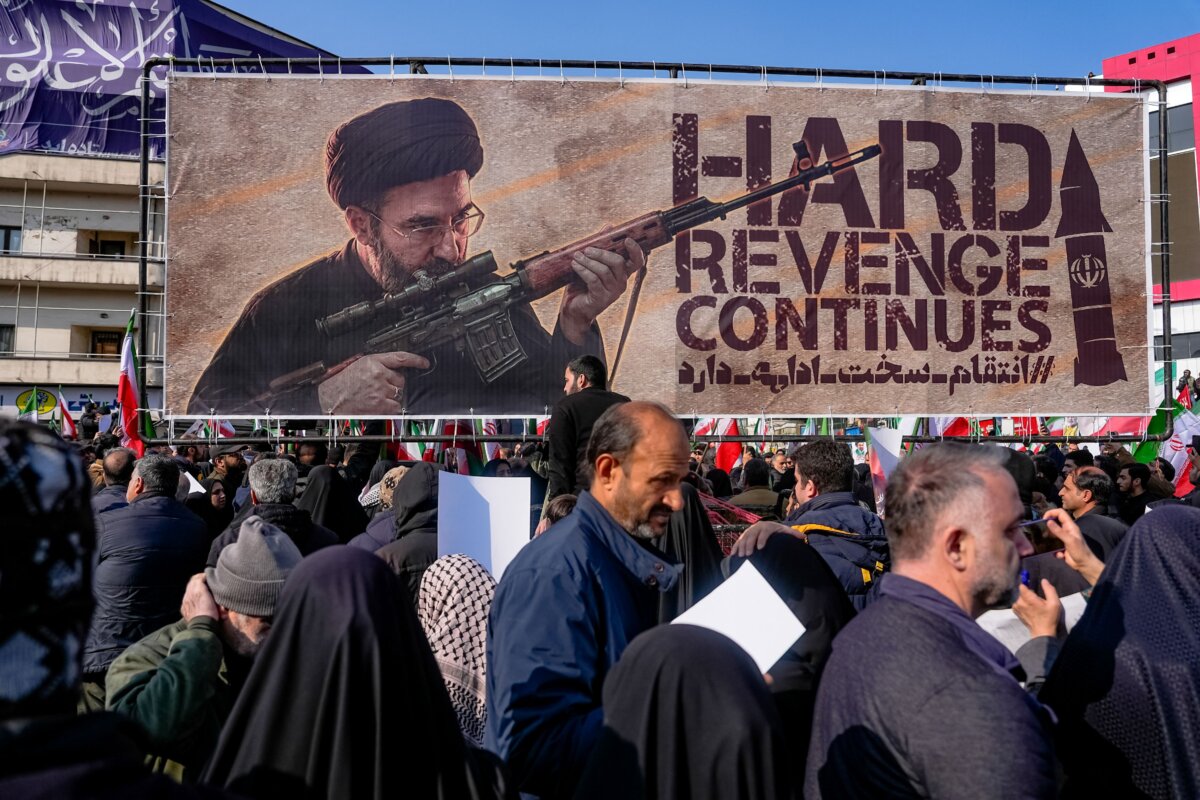
Mojtaba Khamenei said he will “not abandon the pursuit of justice for the blood of [Iran’s] martyrs,” according to PressTV.
“The revenge we seek is not limited to the martyrdom of the great leader of the revolution but extends to every member of the nation who is killed by the enemy,” he said.
Earlier on March 11, Trump said the war with Iran is “not finished yet.” He said Tehran’s air force and navy have been destroyed, and he said that there will be “more of the same” coming to the country.
“Right now, they’ve lost their navy,” he said. “They’ve lost their air force. They have no anti-aircraft apparatus at all. They have no radar. Their leaders are gone, and we could do a lot worse.”
The Associated Press contributed to this report.
 Friends Read Free
Copy
Facebook
Tweet
Friends Read Free
Copy
Facebook
Tweet