
The U.S. Secret Service (USSS) investigated 60,000 point-of-sale card readers and terminals last year, identifying illegal card-skimming devices and preventing more than $428 million in theft, the agency said in a Jan. 16 post on X.
In total, the USSS conducted 22 outreach operations targeting electronic benefits transfer (EBT) fraud and ATM skimming in multiple cities last year, involving more than 9,000 businesses and resulting in the removal of 411 illegal skimming devices, according to a statement released on Jan. 7.
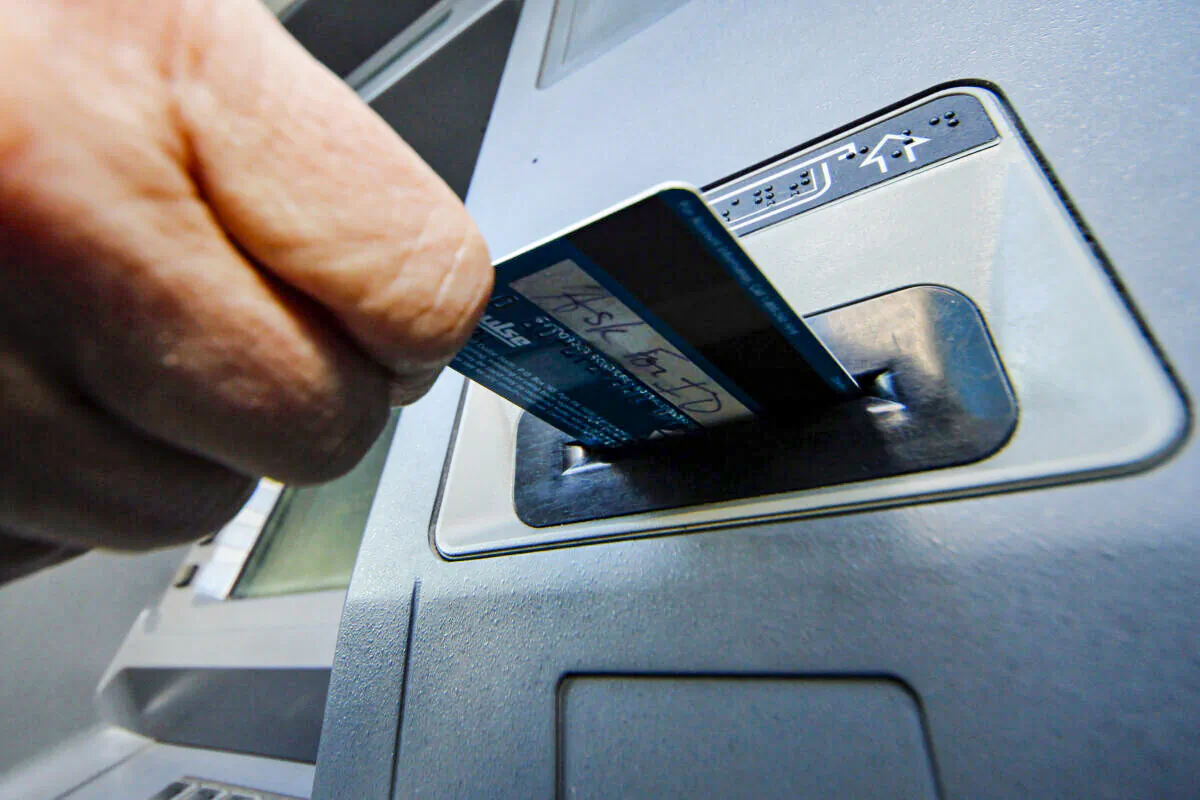
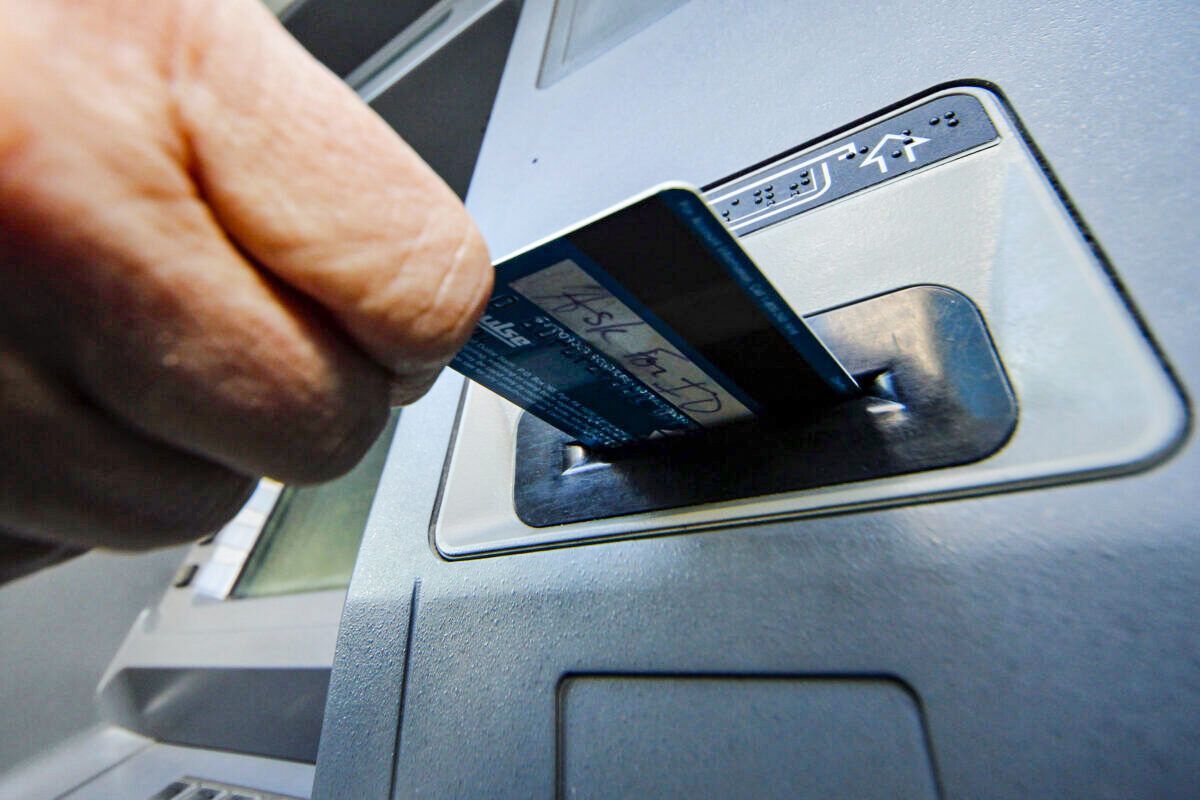
In card-skimming, criminals attach a device to a card reader or payment terminal. When a card is used, the skimming device enables a malicious actor to steal card information, such as the credit card number, CVV code, expiration date, and PIN.
According to the USSS, law enforcement agencies have seen a “nationwide increase” in skimming schemes, particularly targeting EBT cards.
“EBT fraud targets the nation’s most vulnerable communities. Each month, money is deposited into government assistance accounts intended to help families pay for food and other basic items. This enables criminals who steal card information to time their fraudulent withdrawals and purchases around the monthly deposits,” it said.
“Criminals often steal EBT and other payment card numbers by installing illegal skimming devices on ATMs, gas pumps, and merchant point-of-sale terminals. Scammers use skimming technology to capture card information from EBT cards and encode that data onto another card with a magnetic strip.”
In its statement, the USSS said that card-skimming operations were carried out across Los Angeles, Washington, Anchorage, Boston, Orlando, Charlotte, Buffalo, San Diego, New York, San Antonio, Baltimore, Tampa, Atlanta, Savannah, Memphis, Miami, and Pittsburgh.
Working alongside state, federal, and local law enforcement partners, authorities investigated point-of-sale terminals, gas pumps, and ATMs.
Teams also distributed educational materials on EBT fraud and skimming to help businesses better detect skimming devices.
For customers, the USSS advised them to inspect terminals, ATMs, and other card readers before carrying out transactions and to watch for anything that is crooked, damaged, scratched, or loose. It is recommended not to use a card reader if anything seems unusual.
The agency asked people to use debit or credit cards with chip technology whenever possible. Tap-to-pay was also recommended.
The USSS warned Americans to watch out for skimming devices in tourist areas, as they are often popular targets.
“The U.S. Secret Service is committed to combatting EBT fraud and credit card skimming throughout the country. These proactive operations are aimed at finding and removing devices before criminals can recover the stolen card numbers they contain,” said Kyo Dolan, assistant director for the USSS’s Office of Field Operations.
According to a post by the FBI, ATM skimming devices are typically installed in the card reader or within the terminal. Pinhole cameras around the ATMs can record a customer’s PIN entries.
As for point-of-sale skimming devices, such as those that capture EBT data, they are typically designed to be mounted on the point-of-sale terminal and have wireless transmission capabilities.
“It only takes seconds to install a skimming device. Fraudsters may seek to distract store clerks—such as by requesting items from behind the counter—to accomplish this,” the FBI said.
“Skimming devices store data to be downloaded or wirelessly transferred later. Some of these devices transmit the data wirelessly in real time to nearby devices.”
Skimming Crimes
Authorities have arrested multiple individuals over the past year in connection with card-skimming crimes.
In October 2025, the Department of Justice (DOJ) announced the arrest of four illegal foreign nationals who admitted to taking part in a multi-state ATM and retail skimming scheme that compromised more than 15,000 debit, credit, and EBT cards.
In September 2025, the DOJ announced the sentencing of a man to more than six-and-a-half years in prison for installing card-skimming devices in ATMs located in New Jersey and Chicago to steal debit card numbers and PINs.
The same month, Oregon Attorney General Dan Rayfield issued a scam alert, warning citizens about an uptick in card-skimming devices installed on payment devices at grocery and convenience stores across the state, especially in rural areas.
The alert listed warning signs citizens should watch for, including a card reader looking loose or misaligned.
“Look for tamper-evident seals: Some machines have yellow security stickers or bars—if they appear broken, crooked, or replaced, they may be compromised by a skimmer,” it said.
 Friends Read Free
Copy
Facebook
Tweet
Friends Read Free
Copy
Facebook
Tweet