The U.S. government announced it will give more than $1.6 billion to Kenya’s health system over five years, in the first such agreement reached since U.S. President Donald Trump’s overhaul of foreign aid.
The agreement on Dec. 4 follows September’s announcement of a new “America First Global Health Strategy,” calling for poorer nations to do more to combat diseases such as AIDS, malaria, and tuberculosis, with the eventual goal of transitioning from aid to self-reliance.
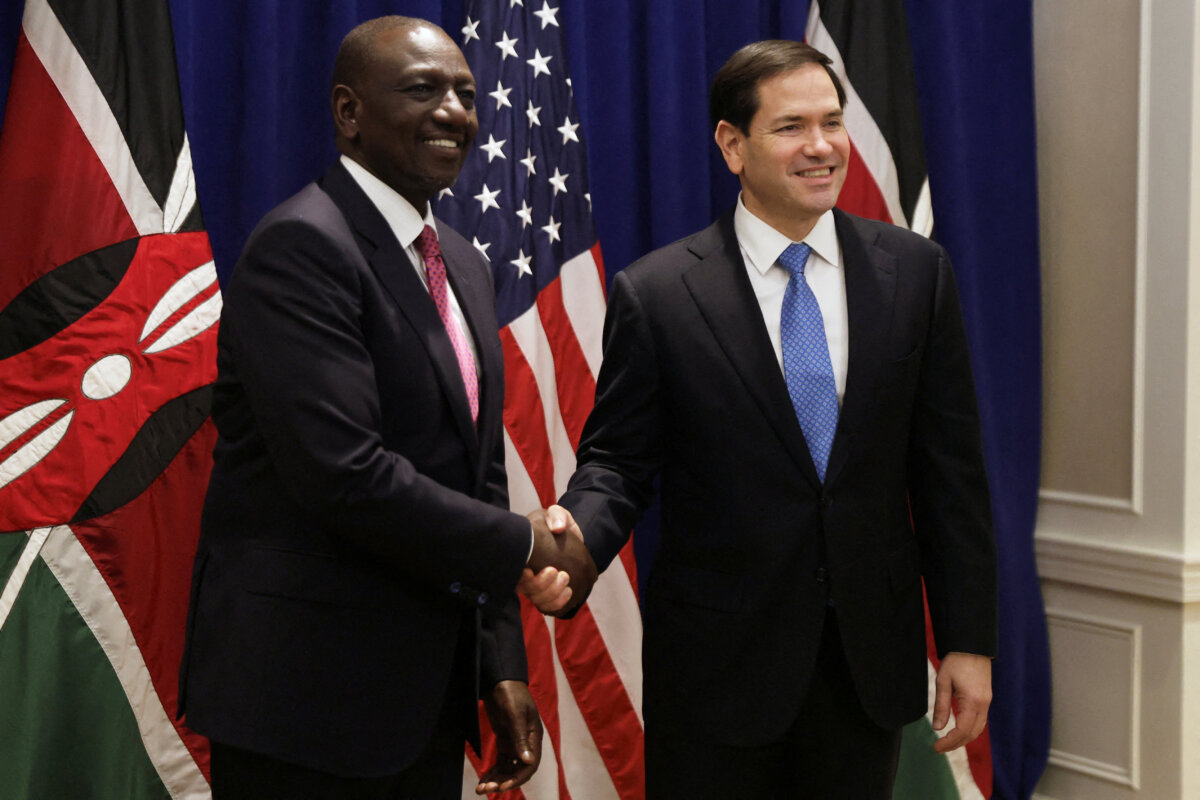
The bilateral agreement, signed by U.S. Secretary of State Marco Rubio and Kenyan President William Ruto, saw the East African nation pledging to increase its own health spending by $850 million over the next five years.
Other African countries are expected to follow suit and sign similar deals in the coming days, officials in the U.S. government said.
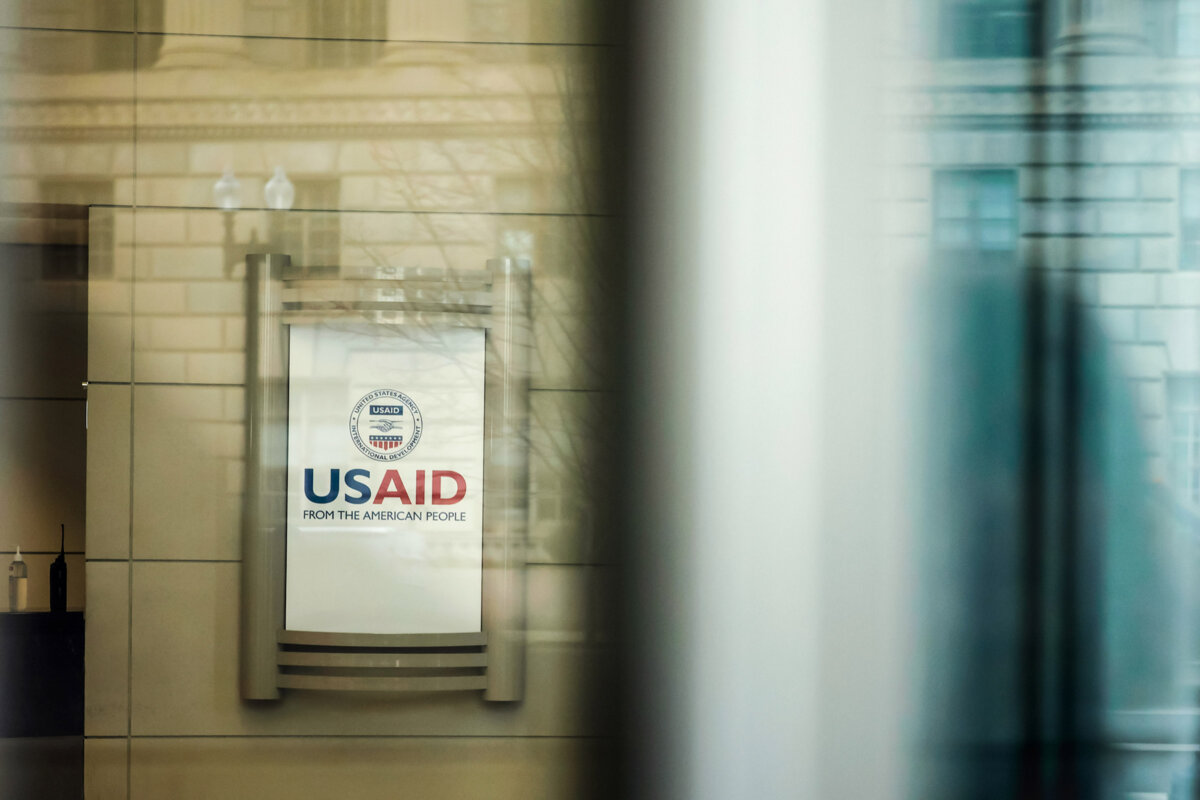
The new model for global health follows the Trump administration’s dismantling of the U.S. Agency for International Development (USAID) earlier this year, amid concerns about waste and inefficiency as well as value for money for American taxpayers.
The U.S. Senate voted to preserve funding for HIV/AIDS programs in foreign countries, meaning that an initiative introduced by President George W. Bush can continue.
The United States gave $440 million to health and population programs in Kenya in 2024 while President Joe Biden was in the White House, according to government foreign assistance data.
The majority of aid for Kenya—some $310 million—is earmarked as money for HIV/AIDS.
‘NGO Industrial Complex’
Rubio said the new approach would see funding moved from what he termed the “NGO industrial complex,” with the goal of more money helping sick people.
“We’re not doing this anymore,” he said at the signing ceremony on Dec. 4.
The agreement will see funding from the United States moved from nongovernmental groups to the Kenyan government, which will gradually take responsibility for the cost of health workers initially funded through this aid.
It also says that faith-based providers should be treated in the same way as private providers in receiving government reimbursement.
Ruto praised the Trump administration’s health initiative and credited previous assistance from the United States with saving millions of Kenyan lives.
‘Effectively and Efficiently’
“I assure you that every shilling and every dollar will be spent efficiently, effectively, and accountably,” Ruto said.
Rubio thanked Kenya for playing a leading role in a gang suppression force in Haiti, urging other countries to help bring stability to the Caribbean country.
Zambian President Hakainde Hichilema said in October that U.S. international aid cuts were “long overdue,” as it could lead to his country becoming more self-sufficient in the long term, despite the short-term “shock.”
“It forces us to grow our economies and to do the things we should have been doing,” he told the Financial Times, although he acknowledged that it was “painful for now,” as the “instantaneous” cut left his government very little time to adjust.
“There is a shock,” he said. “But longer term, it’s a good thing.”
Established in 1961, USAID managed the distribution of U.S. aid and other financial assistance to foreign nations.
The agency’s initiatives included humanitarian response to natural disasters worldwide, global health initiatives, climate and environmental programs, and an array of other programs related to economics, governance, and education.
USAID Disbanded
In 2023, the most recent fiscal year for which data is available, the U.S. government disbursed $71.9 billion in foreign aid, according to ForeignAssistance.gov, of which around half was distributed by USAID.
The U.S. government is the single-largest aid donor in the world, according to the United Nations, accounting for more than 40 percent of all humanitarian aid the U.N. tracked in 2024.
Shortly after taking office for the second time, Trump signed an executive order placing a 90-day moratorium on all U.S. foreign aid disbursements to allow for an evaluation into whether the funding served the interests of the American people.
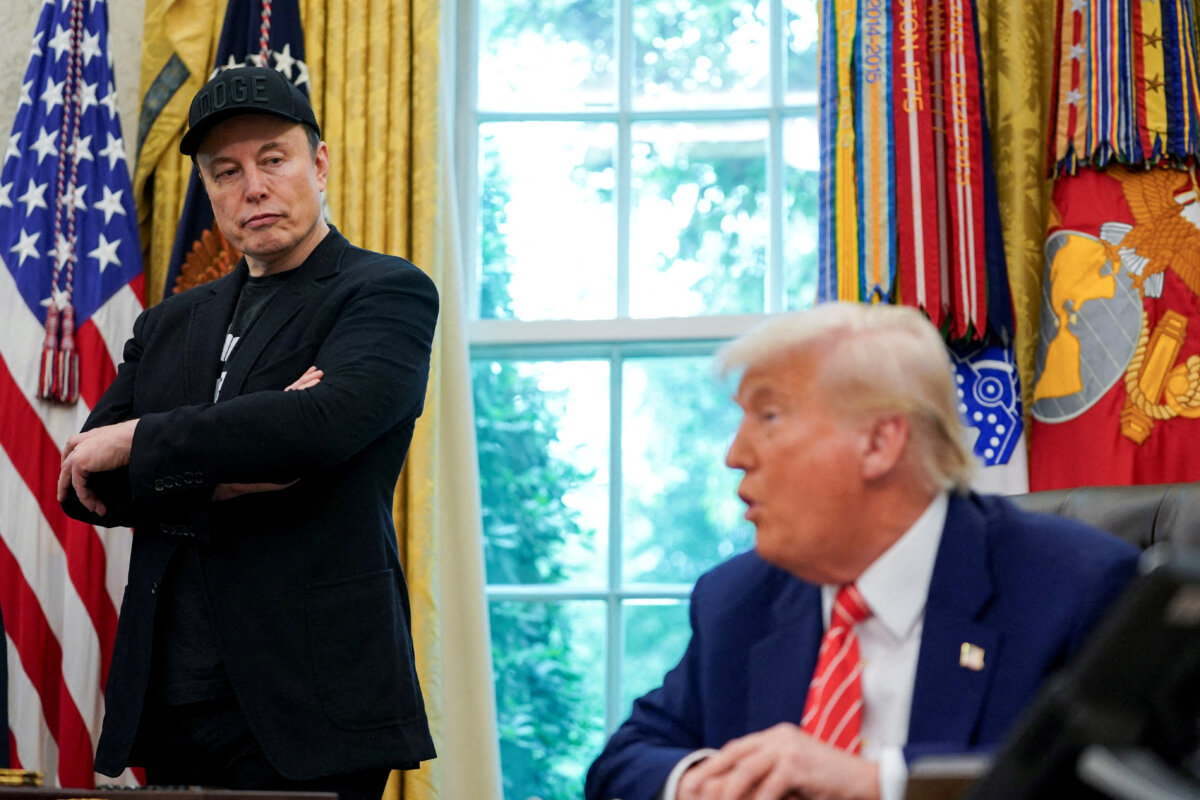
Trump established the Department of Government Efficiency (DOGE), initially headed up by Tesla boss Elon Musk, to look for waste more broadly in expenditures, including on foreign assistance programs.
“USAID is not functioning. It has to be aligned with U.S. policy. It needs to be aligned with the national interest of the U.S.,” Rubio said in February when the Trump administration was deciding how to restructure the aid agency. “They’re not a global charity. … We owe the taxpayers assurances that it furthers our national interest.”
Reuters contributed to this article.
 Friends Read Free
Copy
Facebook
Tweet
Friends Read Free
Copy
Facebook
Tweet