
The Animal and Plant Health Inspection Service (APHIS) will start dispersing sterile male flies near the U.S.–Mexico border and in parts of Texas in an attempt to prevent swarms of New World screwworm (NWS) parasites from advancing into the United States from Mexico, APHIS said in a Jan. 30 statement.
APHIS is an agency under the Department of Agriculture (USDA). To counter NWS parasites, the USDA has been dispersing 100 million sterile flies per week in Mexico.
According to APHIS, USDA will now “reallocate aircraft and sterile insects to reinforce coverage along the U.S.–Mexico border.”
“The new dispersal area, or polygon, will include operations about 50 miles into Texas, along the U.S. border with the state of Tamaulipas, Mexico,” APHIS said.
“Mass production and targeted dispersal of sterile insects are critical components of an effective strategy to fight NWS. Other tools including import protocols and surveillance continue to support these robust efforts to keep NWS out of the United States.”
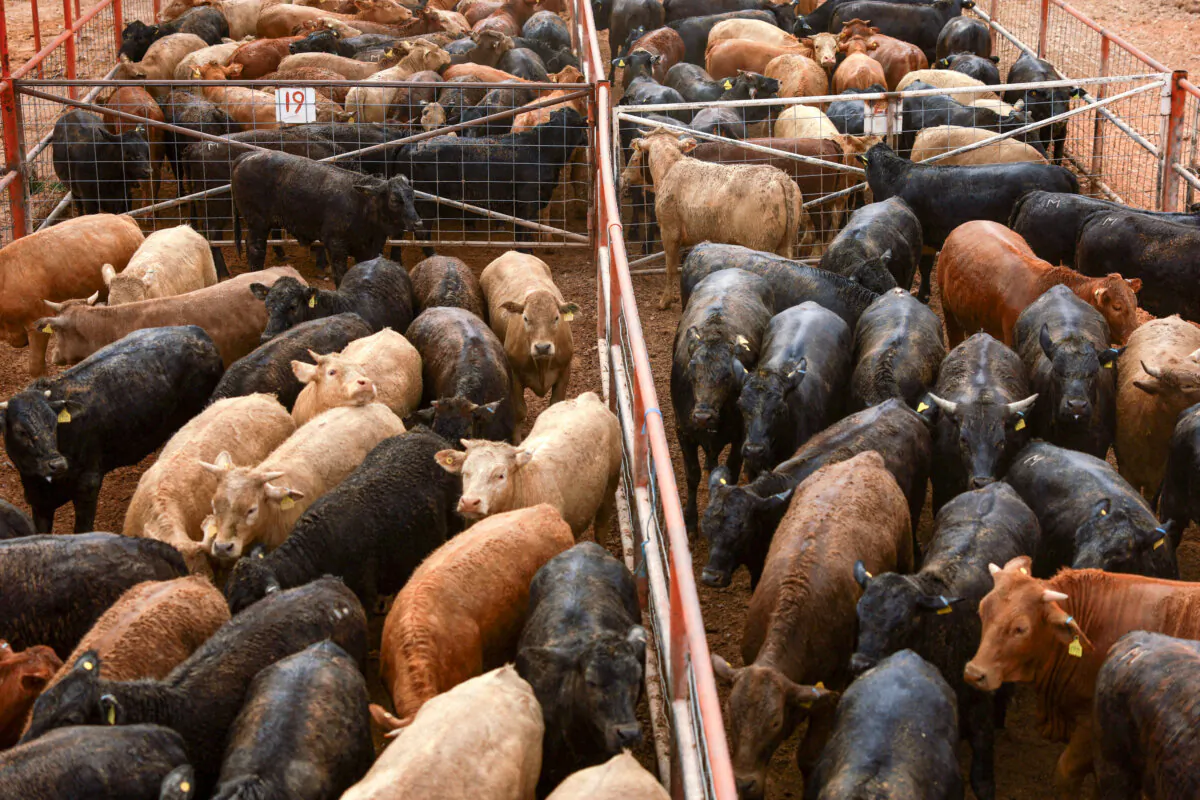
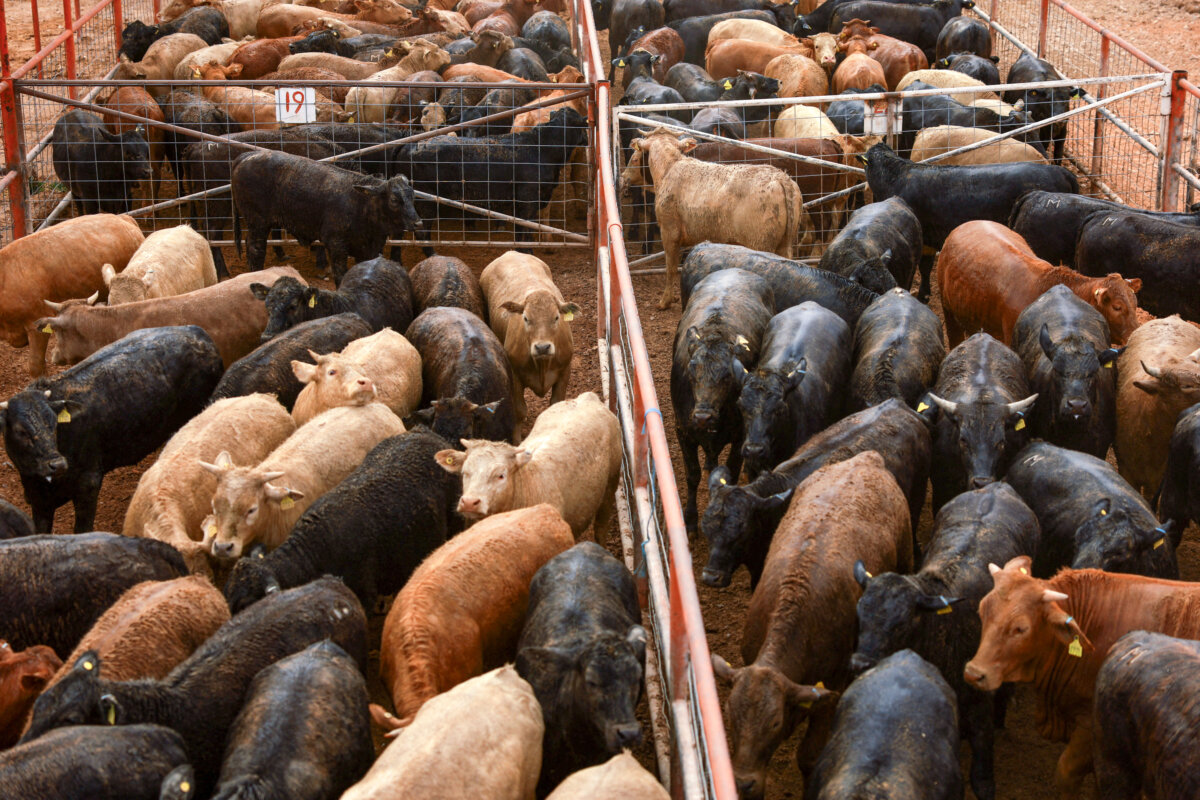
NWS parasites pose a major threat to livestock. Female flies lay eggs on wounds or orifices of warm-blooded animals. When larvae hatch from these eggs, they burrow into the wound, eating the flesh of the host animal.
As more eggs hatch and feed, the wound becomes larger, and the animal eventually dies. A single female NWS fly can lay up to 3,000 eggs in its lifetime. As such, a large swarm of such flies coming in from Mexico poses a significant threat to cattle farmers in the United States.
Such swarms can be countered by releasing sterile male flies. When male flies mate with the females, they end up laying unfertilized eggs, leading to the swarm getting diminished over time, and warding off the threat they pose to cattle.
In its statement, APHIS said the USDA will release sterile male flies north of the current active NWS detection areas in Mexico.
The agency said that releasing sterile flies just outside of affected areas ensures that when the female flies reach these regions, they will only encounter sterile male flies, and thus won’t be able to successfully reproduce.
“At Secretary Rollins’ direction, our highest priority is protecting the United States from screwworm,” said Dudley Hoskins, undersecretary of marketing and regulatory programs for the USDA.
“The northernmost active case of NWS in Mexico is still about 200 miles away from the border, but we’ve seen cases continue to spread in Tamaulipas and further south in Mexico, so we are proactively shifting our polygon as we make every effort to prevent NWS from reaching our border.”
APHIS said that NWS flies haven’t been detected yet within the U.S. border. Authorities have installed 121 NWS traps in high-risk border areas to detect the flies. To date, more than 42,000 flies have been caught from the traps, with none being NWS.
In a Feb. 1 post on X, Agriculture Secretary Brooke Rollins said her team has been working every day for the past year to take all possible steps to keep NWS out of the United States.
This includes halting all live cattle, bison, and horse imports from Mexico; expanding sterile fly operations; investing up to $100 million in research and innovation related to traps, treatments, and improved fly production; and training detector dogs to identify infected animals.
Rollins said they plan to “begin dropping sterile flies (the proven solution) in certain areas in southern Texas.”
On Thursday, Texas Gov. Greg Abbott announced a statewide disaster declaration to prevent the spread of NWS flies in the region.
“State law authorizes me to act to prevent a threat of infestation that could cause severe damage to Texas property, and I will not wait for such harm to reach our livestock and wildlife,” he said in a statement.
The declaration allows Abbott to mobilize the Texas New World Screwworm Response Team to “fully utilize all state government prevention and response resources to prevent the re-emergence of this destructive parasite.”
Texas is prepared to “fully eradicate this pest if need be,” the governor said.
 Friends Read Free
Copy
Facebook
Tweet
Friends Read Free
Copy
Facebook
Tweet