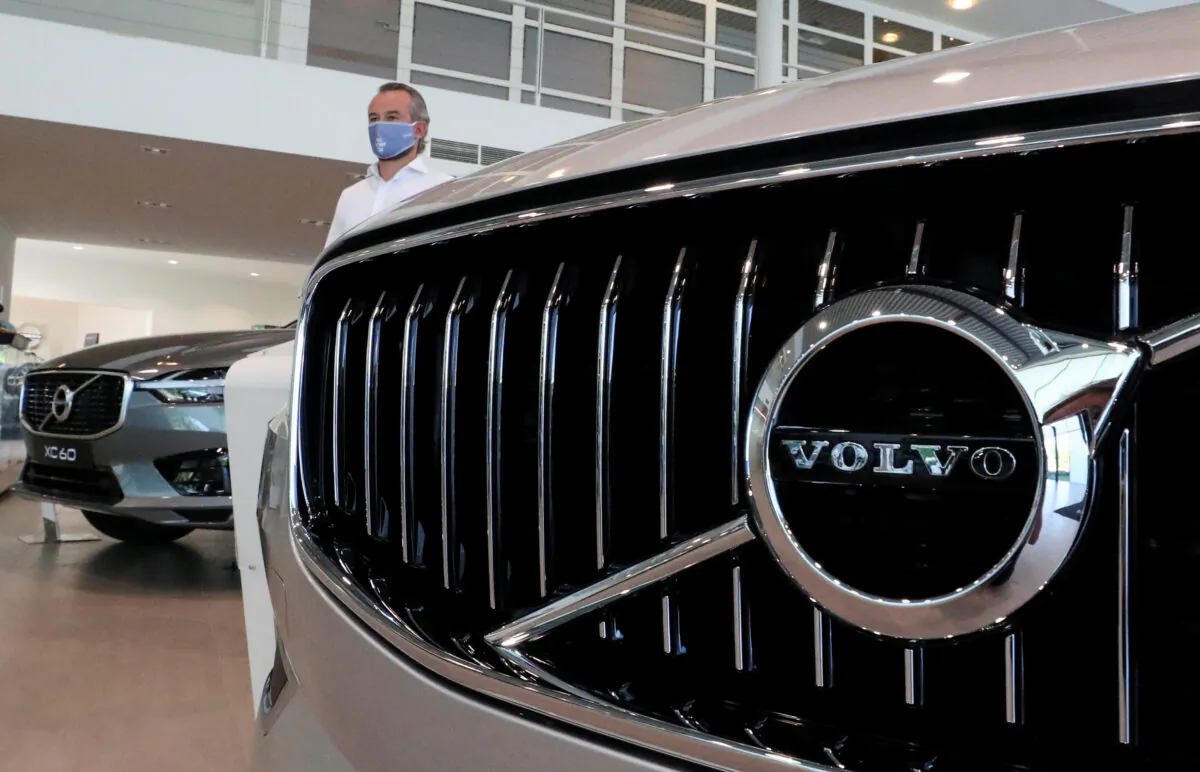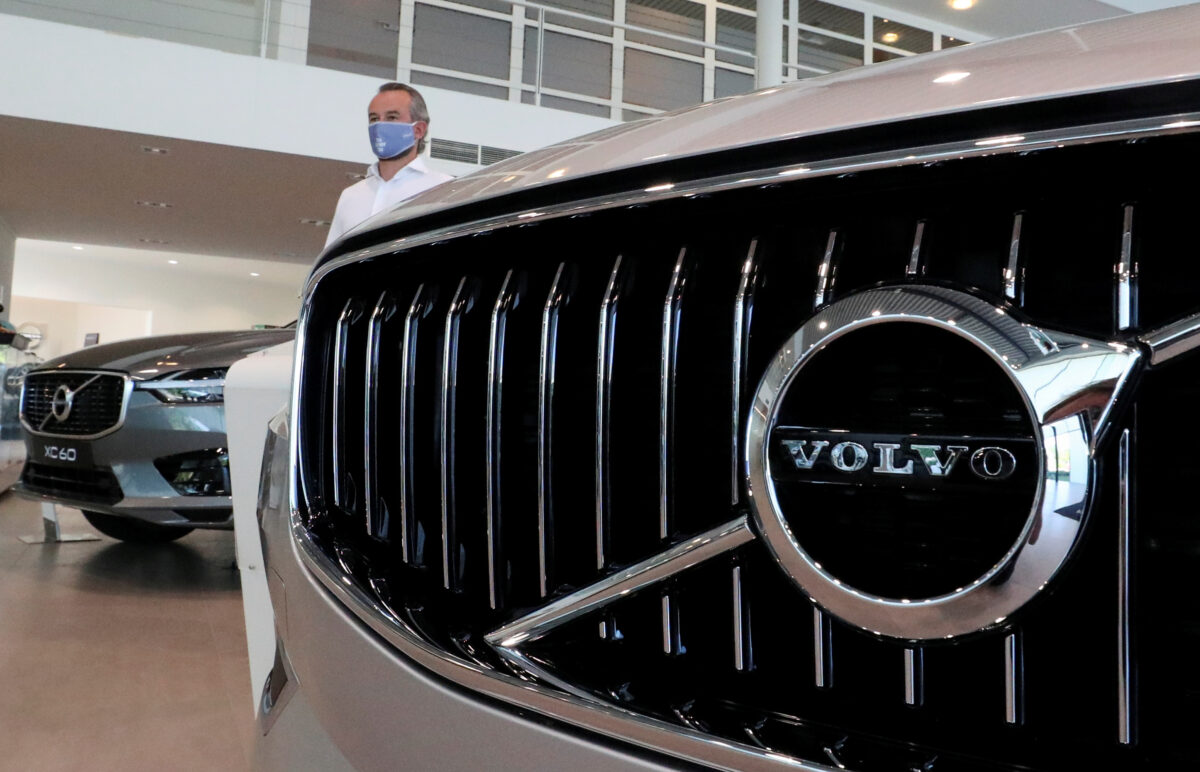

The California Air Resources Board and Volvo agreed on a nearly $197 million settlement on May 18 over the car manufacturer’s auxiliary emission control devices that allegedly violated California regulations.
The Board said more than 10,000 Volvo trucks from model year 2010 to 2016 had diesel engines that used these devices, which were not adequately disclosed during an emissions certification process.
These engines allegedly emitted more nitrogen oxides than the emission standards allowed. The board said such compounds are well-known air pollutants that contribute to health problems such as asthma and cardio-pulmonary disease.
“This case underscores why CARB’s compliance testing and strong enforcement are essential to protecting the state’s air quality and public health. Our responsibility goes beyond adopting regulations — we are committed to upholding them by identifying violations and holding companies accountable for meeting emissions standards,” California Air Resources Board Chair Lauren Sanchez said.
The state will receive $71 million to mitigate the air quality harms caused by the violations, $108 million for emission reduction projects in California, $12.5 million in civil penalties, and $5 million to reimburse the Board for its investigation and other costs associated with the settlement.
The Board said the funding Volvo will provide for emission reduction projects will focus on reducing air pollution and related health impacts. It stated that nearly half of the state’s population lives in areas with unhealthy air quality, which leads to significant public health costs.
As part of the settlement, Volvo will also provide a partial warranty extension and do a software repair of the auxiliary emission issues for about 7,200 of its heavy-duty trucks model year 2014 to 2016.
“Volvo Group proactively disclosed the issues that were the subject of CARB’s concerns nearly a decade ago and has worked cooperatively with CARB to resolve the matter,” the company said in a statement.
Volvo is currently developing the repair and has yet to finish it because of the complexity of the software, the Board said, with each variation of it requiring additional calibration, testing, and verification in order to ensure optimal performance and stability.
The Board said Volvo will need to submit its recall application to the Board, and once approved, it can notify owners of the affected vehicles who will be given the choice to have the repair, which it expects to happen in 2027.
The Board said that Volvo was cooperative throughout its investigation.
The Epoch Times reached out to Volvo for comments but did not receive a response by publication time.
 Friends Read Free
Copy
Facebook
Tweet
Friends Read Free
Copy
Facebook
Tweet