
Child care providers and families across the nation are facing tighter limits on federal subsidies as the Trump administration responds to concerns about fraud.
The Trump administration’s moves to freeze large swaths of funding have been criticized as hurting families, but the Department of Health and Human Services (HHS) has emphasized the need for funding integrity.
Here is what to know about how child care funding is used and how it is now being questioned.
What Is Frozen
HHS announced on Jan. 6 that access to federal child care assistance funds was frozen for California, Colorado, Illinois, Minnesota, and New York state.
In a statement, the department cited “concerns about widespread fraud and misuse of taxpayer dollars in state-administered programs.” Those funds will be frozen until the Administration for Children and Families within HHS completes a review and is satisfied that the states are compliant with federal requirements.
The freeze applies to three programs under HHS’s Administration for Children and Families, including nearly $2.4 billion in the Child Care and Development Fund (CCDF), which distributes federal support for low-income families.
In fiscal year 2024, there were nearly 6.3 million children aged 5 and younger who qualified for the assistance, but fewer than 840,000, or about 13 percent, actually received it.
HHS has also frozen $7.35 billion for the Temporary Assistance for Needy Families program and $869 million for the Social Services Block Grant. Combined, the funding to those three programs for the states in question totaled more than $10 billion.
HHS Deputy Secretary Jim O’Neill commented on the freeze, saying: “Families who rely on child care and family assistance programs deserve confidence that these resources are used lawfully and for their intended purpose.
“This action reflects our commitment to program integrity, fiscal responsibility, and compliance with federal requirements.”
This came just days after the Trump administration announced that child care funding would be frozen to all 50 states until additional verification steps were completed by providers.
The providers will be required to disclose attendance records, licensing, and audits to continue receiving payments.
Accusations of Fraud
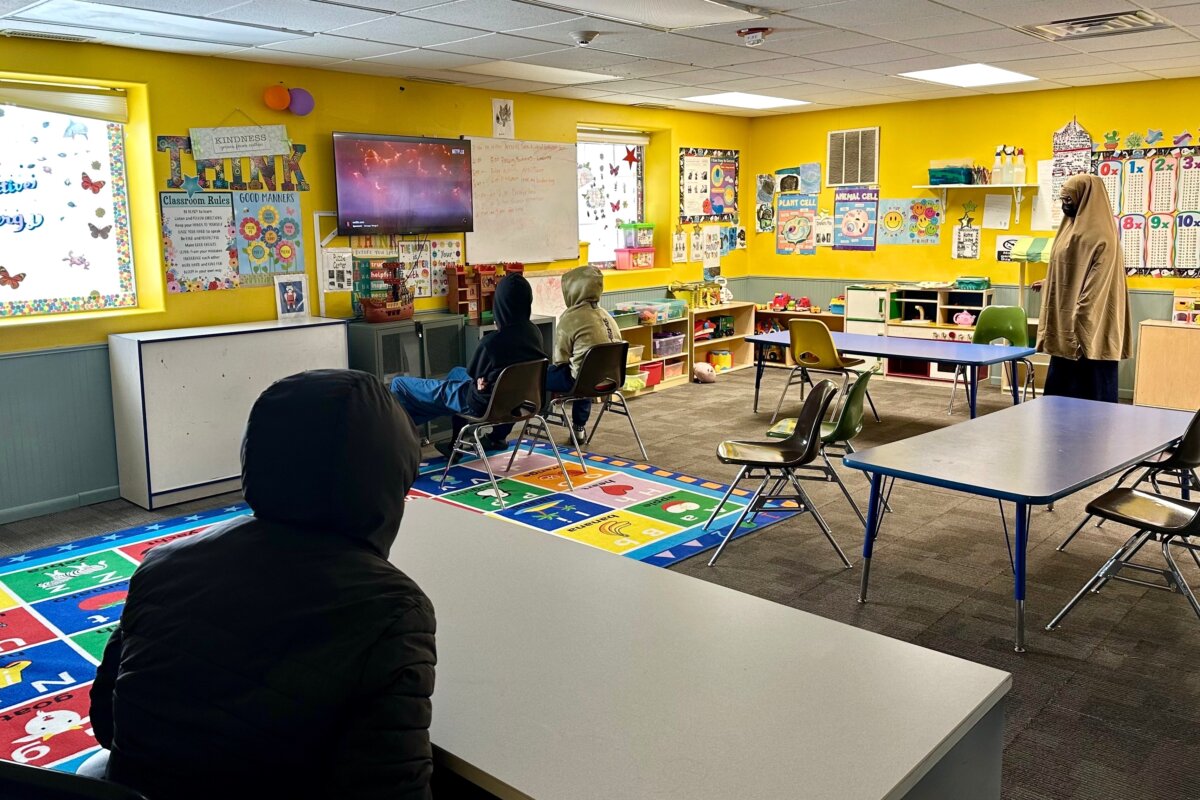
The administration’s scrutiny of federal allocations came in the aftermath of widespread fraud allegations involving day care centers in Minnesota and elsewhere.
Minnesota alone receives $185 million per year in child care funds from the Administration for Children and Families, according to HHS Assistant Secretary Alex Adams.
Just weeks before a viral video outlined the possible fraud, a federal prosecutor suggested that more than half of the roughly $18 billion in federal funds that supported 14 programs in Minnesota since 2018 may have been stolen.
In fiscal year 2025, CCDF received a total of $12.35 billion in funding.
President Donald Trump announced on Jan. 6 that California would also be investigated for fraud, saying on social media that the Golden State could have more fraud than Minnesota.
California Gov. Gavin Newsom’s press office responded to Trump’s announcement, criticizing the president and saying that the governor has been “cleaning house.” Newsom’s office pointed to the arrests of criminals “stealing from taxpayers” and a halt to $125 billion in fraud.
Adams commented on the administration’s decision to freeze funds to several states, saying: “We have a responsibility to protect taxpayer dollars and ensure these programs serve the families they were created to help.
“When there are credible concerns about fraud or misuse, we will act.”
Child Care Aware of America issued a joint statement about the CCDF suspension just days after the Jan. 6 announcement. Signed by dozens of child care and educational groups, the statement highlighted CCDF’s role in providing quality child care for low-income families.
”Without this program these families would not be able to afford child care, leading to strained finances, stress, and increased instability for their children,” the statement reads.
Eligibility
Child care subsidies are funded by both federal and state money, which are frequently not separated when paid to a child care provider. At least 36 states fund child care subsidy programs.
The nature of CCDF funds allows states that add significantly to the child care subsidies from their own sources to provide more support for low-income families in need.
Broad federal eligibility limits are put in place by the government, but those are narrowed by state-decided criteria. Those decisions could include income limits, work requirements, and even reevaluations of how the funds are spent.
The broad federal mandates require that the funds only be used on a child younger than 13 or a child younger than 19 who is physically or mentally incapacitated.
HHS said on Jan. 6 that the Temporary Assistance for Needy Families and Social Services Block Grant programs are intended to be used by states to support families with children.
“[The Administration for Children and Families] has also identified concerns that these benefits intended for American citizens and lawful residents may have been improperly provided to individuals who are not eligible under federal law,” the department’s statement reads.
According to HHS, the child who is to receive the benefit of CCDF subsidies must be either a citizen of the United States or a qualified noncitizen.
However, the CCDF is not allowed to request information about the citizenship or immigration status of the parent or legal guardian applying on behalf of the child.
 Friends Read Free
Copy
Facebook
Tweet
Friends Read Free
Copy
Facebook
Tweet